Image source: The Motley Fool.
DATE
Thursday, May 28, 2026 at 9:00 a.m. ET
CALL PARTICIPANTS
- Interim Chief Executive Officer — Jeffrey Ettinger
- President — John F. Ghingo
- Interim Chief Financial Officer and Controller — Paul R. Kuehneman
TAKEAWAYS
- Organic Net Sales Growth -- 3%, representing six consecutive quarters of organic expansion with all three segments contributing to growth.
- Foodservice Segment -- Organic net sales increased 7%, marking the eleventh consecutive quarter of growth; segment profit rose 11%, supported by market-based pricing and supply chain cost benefits.
- International Segment -- Organic net sales advanced 5% with segment profit up 20%, driven by China demand and branded export performance, especially SPAM.
- Retail Segment -- Organic net sales grew 1%; segment profit climbed 13%, underscored by value-added poultry and branded products like Jennie-O and Applegate.
- Gross Margin -- Expanded to 17.4%, up 70 basis points, reflecting improved manufacturing performance and favorable sales mix.
- Gross Profit -- Rose 7% compared to the previous year, supported by margin expansion, productivity gains, and supply chain improvements.
- Adjusted Operating Margin -- Expanded by 80 basis points; adjusted SG&A increased 2%, attributed to cost discipline.
- Adjusted Earnings Per Share -- $0.40, up 14%, with management indicating double-digit underlying growth.
- Operating Cash Flow -- Reached $179 million; capital expenditures totaled $82 million, with focus on technology and infrastructure investments.
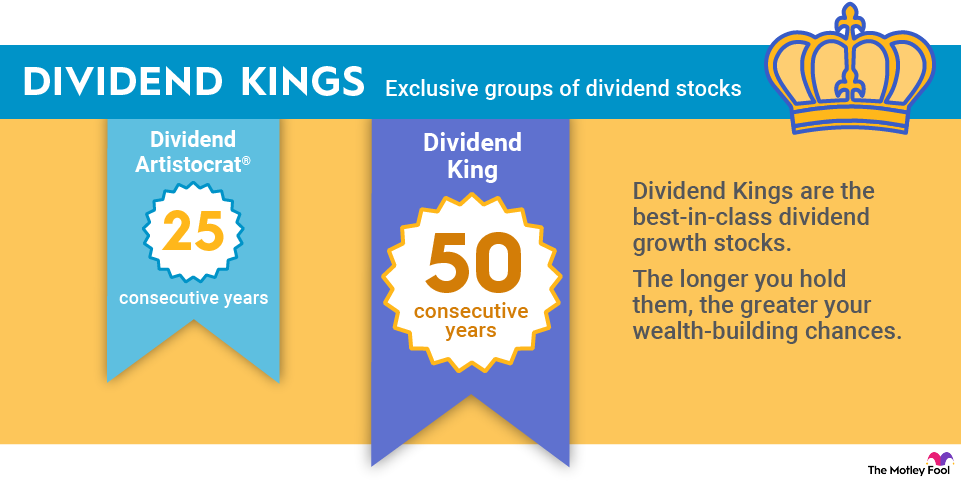
- Dividend Payments -- $161 million returned to shareholders; achieved the 391st consecutive quarterly payout.
- Cash Balance -- $827 million in cash on hand at quarter end, up $156 million from year-end fiscal 2025, underscoring financial flexibility.
- Full-Year Guidance Reaffirmed -- Organic net sales expected at $12.2 billion to $12.5 billion; full-year adjusted EPS forecasted at $1.43 to $1.51, with management stating, “we are trending toward the upper half of our earnings range.”
- Divestiture -- Completed the sale of the whole-bird turkey business, anticipating a $50 million net sales reduction in the year with minimal adjusted earnings impact.
- Q3 Expectations -- Adjusted earnings projected to be in line with prior year, reflecting higher fuel, logistics costs, and targeted inventory rebalancing actions.
- Supply Chain Performance -- Vertically integrated turkey operations benefited from favorable weather and manufacturing improvements, providing profit tailwind.
Need a quote from a Motley Fool analyst? Email [email protected]
RISKS
- Paul R. Kuehneman stated, fuel is expected to remain a headwind, and logistics costs are projected to pressure results on a year-over-year basis.
- Management cited upcoming near term cost pressure, primarily in the third quarter, due to lower plant utilization as a result of actions to rebalance inventory.
- Retail performance faces structural pressure in select brands, prompting targeted competitive actions, as John F. Ghingo noted some brands are not meeting expectations.
- The effective tax rate is trending toward the higher end of the range.
SUMMARY
Hormel Foods (HRL -1.40%) completed the divestiture of the whole-bird turkey business, reinforcing a pivot to higher-value, branded, and less volatile offerings, with minimal earnings effect expected. The company returned $161 million to shareholders through dividends and exited the quarter with $827 million in cash, highlighting a conservative capital stance. Commentary emphasized disciplined pricing strategies, optimization of SG&A, and targeted innovation, particularly in foodservice and branded retail, as sustaining drivers through evolving consumer trends and cost environments. Strategic collaboration, investment in digital technology leadership, and strict supply chain oversight were highlighted as integral to ongoing efficiency and competitiveness.
- John F. Ghingo noted Skippy peanut butter had a slow start following a fire-related supply interruption, with recent data showing a significant improvement in Skippy's consumption.
- Planters was identified as underperforming, mainly due to consumer trade-down from higher-priced nut types; planned corrective actions include revenue growth management and digital investment.
- Foodservice remained a growth driver despite industry headwinds, aided by direct sales force collaboration and innovation such as new Calabrian-chili pizza toppings.
- Retail will experience some noise in the back half from the Justin’s brand sale, exit of private label snack nuts, and the full impact of the turkey divestiture.
- Future bottom-line growth is anticipated to materialize mainly in the fourth quarter following a Q3 plateau, driven in part by the normalization of operational disruptions and potential easing of cost headwinds.
INDUSTRY GLOSSARY
- Elasticity: The measure of consumer response to changes in price, often impacting category sales volume and mix.
- Planters: Brand owned by Hormel Foods focused on nuts and snack products, recently discussed due to sales and portfolio dynamics.
- Rabbi Trust: A nonqualified deferred compensation trust, where investment gains were noted to increase other income during the quarter.
- Value-Added Poultry: Poultry products enhanced through processing or seasoning, contributing to higher profitability.
- Net Sales: Total revenue from sales of goods or services after deductions, cited as a key growth metric by management.
Full Conference Call Transcript
Jeffrey Ettinger, Interim Chief Executive Officer John F. Ghingo, president and Paul R. Kuehneman, Interim Chief Financial Officer and Controller. Jeffrey, John, and Paul will review the company's fiscal 26 second quarter results, and provide a perspective on the remainder of the year. We will conclude with the Q&A portion of the call. The line will be open for questions following the prepared remarks. As a courtesy to the other participants, please limit yourself to 1 question with 1 follow-up. At the conclusion of this morning's call, a webcast replay will be posted to the Investors section of our website and archived for 1 year. Before we get started this morning, I would like to reference our safe harbor statements.
Some of the comments we make today will be forward looking and actual results may differ materially from those expressed in or implied by the statements we will be making. Please refer to our most recent annual report on Form 10-K and quarterly reports on Form 10-Q, which can be accessed on our website under the Investors section. Additionally, please note we will be discussing certain non GAAP financial measures this morning. Management believes that doing so provides investors with a better understanding of the company's underlying operating performance. The presentation of this information is not intended to be in isolation or as a substitute for the financial information presented in accordance with GAAP.
Further information about our non GAAP financial measures including comparability items and reconciliations, are detailed in our press release, which can be accessed on our website. I will now turn the call over to Jeffrey Ettinger.
Jeffrey Ettinger: Thank you, Jess, and good morning, everyone. We delivered an excellent second quarter, highlighted by continued top line momentum and meaningful improvement in bottom line performance. Our top line results remained a clear area of strength. As we achieved our sixth consecutive quarter of organic net sales growth. This performance reflects both the quality of our execution and the strategic positioning of our portfolio. As we deliver these results despite a dynamic external environment. All 3 segments drove net sales growth, with notable contributions from foodservice and international and momentum across certain key retail brands. As we have said before, our protein centric portfolio positions us well to meet consumer and operator needs.
And we continue to see that advantage translate into marketplace performance during the second quarter. We also delivered impressive double digit adjusted earnings growth. In addition to our sales growth, earnings benefited from margin expansion, improved manufacturing performance and solid results from our joint ventures. Which more than offset higher logistics expenses during the quarter. This resulted in segment profit growth across all 3 segments and second quarter results that exceeded our original expectations. Encouragingly, the drivers of second quarter results align with the growth levers we shared with you coming into the year.
Pricing actions, mix improvements, productivity gains in our supply chain, and benefits from our restructuring actions are expected to drive growth throughout fiscal 26 and were central to our second quarter performance. Finally, our continued focus on enhanced collaboration across the organization allowed us to respond more quickly to an evolving environment. Given our strong first half results, and improved visibility into the balance of the year, we have even greater confidence in our ability to achieve our full year plan. We are reaffirming our organic net sales and adjusted earnings per share expectations.
Based on how the year is progressing and the underlying momentum of the business, we believe we are trending toward the upper half of our earnings range. However, we think that maintaining our current outlook is the right approach at this stage of the year, and appropriately reflects near term dynamics. While we expect the back half overall to deliver both top and bottom line growth, we now see third quarter adjusted earnings to be more in line with the prior year. This reflects expected near term cost pressures, including certain commodity inputs and higher logistics expenses, as well as actions to rebalance some inventory levels. Which Paul will cover in more detail.
While this affects quarterly cadence, it does not change strength of the underlying business and is fully reflected in our full year outlook. In summary, we are very encouraged by our performance. We drove another quarter of top line growth expanded gross margins, and executed with discipline across the organization. We are confident in our ability to deliver our full year guidance and remain clear eyed about near term operating dynamics leaving us well positioned for the year. We believe these results reinforce both the strength of our portfolio and our ability to drive sustainable, profitable growth over time. With that, I will turn it over to John to provide more detail on our operational performance.
John F. Ghingo: Thank you, Jeffrey. Before turning to the quarter, let me start with what we are seeing in our business and across our consumer base. While consumers are under pressure and sentiment is low, food has remained resilient in recent months, particularly with growth in protein. Where our portfolio is well positioned. Consumers and operators are prioritizing products that deliver clear value. Whether it is convenient kitchen shortcuts substantial snacking solutions, or affordable protein options. We are focused on helping consumers and operators make protein work better for them. Our approach to winning in protein is grounded in consistent execution. Connecting with consumers in meaningful ways, delivering across usage occasions, and meeting demand across a broad range of price points.
We have stayed disciplined in how we price, innovate, and partner with customers and operators and this strategy helped drive the consistent top line growth we delivered in the second quarter. In addition to this, as an enterprise, we executed well across our supply chain. The combination of protein led growth and disciplined execution is apparent across our results for the second quarter. Let's start with foodservice. This was another outstanding quarter. With organic net sales growth of 7%. This marked our eleventh consecutive quarter of organic net sales growth. With broad based strength across this portfolio. Brands such as Hormel Natural Choice, Austin Blues, Jennie O, and Fontanini delivered strong performance.
Just as important, profitability improved in the foodservice segment, as market based pricing went into effect, and we realized some cost benefits across our supply chain. As a result, we saw gross margin expansion and a segment profit increase of 11% for the second quarter. In an environment where traffic remains pressured, we have been able to consistently deliver growth Our solutions based portfolio, combined with our direct sales force remained a clear competitive advantage in the quarter. Working closely with our operators allows us to move quickly and deliver solutions that meet their evolving needs. In this environment, we delivered solutions across both value and premium tiers, which helped operators manage cost pressures while still differentiating their menus.
Take pepperoni and our leadership in pizza toppings as an example. Pepperoni was a driver of top line growth in the quarter. With offerings spanning traditional to artisanal and mainstream to premium. The team continued to build on that momentum through innovation, And at this year's International Pizza Expo, our team launched new Calabrian-chili pizza toppings, reflecting our ability to stay close to emerging trends that will help drive traffic. We believe this kind of innovative and anticipatory mindset will continue to propel our foodservice segment. Simply put, in Q2, the foodservice segment again performed at a very high level. Turning to our international segment.
We delivered a very good quarter with organic net sales up 5% and segment profit growing 20% versus prior year. These results reflect momentum across key markets and brands. China remained a driver, supported by strong demand and the success of our localized strategy. Our branded export business, led by our SPAM brand also performed well once again reflecting global demand and the strength of our portfolio. These results are the outcome of focused execution, disciplined investment of resources, and a clear strategy to grow in the right markets with the right brands and products. And importantly, we see continued opportunities ahead. Now to retail. Retail performed ahead of our expectations in the second quarter.
We delivered 1% organic net sales growth, margin expansion and 13% segment profit growth. Performance was strong across several key areas in the business, so opportunities remain. And we are taking deliberate actions to address them. We continue to see momentum in our key growth platforms. Particularly within value added poultry. The Jennie O and Applegate brands continue to benefit from sustained demand for lean protein forward offerings. Jennie O ground turkey delivered another quarter of double digit dollar sales growth, and dollar share growth based on the latest 13 weeks Circana data ending April 19. Applegate products have also continued to build momentum. With a strong second quarter driven by frozen breaded chicken and chicken breakfast sausage.
These platforms reflect how we are aligning with evolving consumer preferences and competing effectively across attractive growth segments. Another area of progress is the Herdez brand. Where we expanded distribution and benefited from innovation. The salsa portfolio delivered encouraging dollar and volume consumption growth in the quarter. And we are extending this authentic Mexican brand into new occasions through entrees, marinades, and seasoning solutions. Taken together, these results demonstrate how we are strengthening our relevance with consumers and expanding our presence across the store. We also executed with a measured and data driven approach on pricing, where we work closely with our customers to implement action strategically and in support of the overall health of our categories.
Our second wave of pricing actions was fully reflected on shelf during the quarter. And elasticities tracked largely in line with expectations. Reflecting this disciplined approach. That said, have a few opportunities across our portfolio where we can do better. In some cases, this reflects near term timing related dynamics including promotional lapping, where we have good visibility to recovery. In other areas, we are seeing more structural pressure, requiring targeted actions to reposition those businesses. In these areas, we are focused on improving competitiveness through price pack architecture, more targeted promotional strategies, and sharper in store and ecommerce execution. At the same time, we are refining assortment, prioritizing innovation, and ensuring resources are aligned to the highest return opportunities.
Overall, we are encouraged by the progress in retail, remain focused on advancing performance across the portfolio. Stepping into supply chain. We delivered solid operational results across the enterprise with meaningful improvements across our vertically integrated Turkey operations. This was driven by favorable growing conditions and improved manufacturing performance. This operational excellence became a tailwind for both retail and foodservice profit growth during the quarter. During our Q1 call, we flagged freight and logistics as an area we were watching. While those costs were a year over year headwind, we improved execution in the second quarter to better navigate the environment and manage costs. This reflects the benefits of a more connected, and responsive supply chain.
Beyond this, logistics costs were further impacted by the increase in fuel price which added incremental pressure during the quarter. When you step back, the progress we are making across the enterprise through our brands, our customer partnerships, and our internal operations, reinforces that the work to sharpen our strategy and strengthen our capabilities is translating into more consistent execution. We also see opportunity to move faster and unlock additional value. Especially through technology. We were excited this quarter to welcome our first ever chief technology to Hormel Foods. Donald Monk. Donald is an exceptional leader with more than 35 years of global experience, and a track record of successfully implementing modernization of technology at large global organizations.
The addition of a CTO to the leadership team represents an important step in strengthening our digital and technology capabilities and enabling greater speed, agility, and impact across the business. What I have seen across the organization is a team that is motivated to win and focused on seizing the many opportunities in front of us. I have seen firsthand the power of our protein centric portfolio and the enduring demand for our brands and products. As we look to the back half of the year, I am confident in our ability to execute navigate the environment and deliver on our commitments.
With that, I will turn the call over to Paul to discuss our financial performance for the quarter and our full year guidance.
Paul R. Kuehneman: Thank you, John. As Jeffrey and John noted, we delivered a strong quarter with solid performance across all 3 segments. Organic net sales grew 3% versus the prior year, marking our sixth consecutive quarter of organic growth. Cost of goods sold had multiple drivers throughout the second quarter. Pork and beef remained elevated relative to historical levels but overall, the commodity environment unfolded as anticipated. As John mentioned, logistics remained a year over year headwind for us in the quarter but not as large as we expected. Given the timing of the geopolitical conflict, the second quarter saw only a portion of the elevated fuel pressures.
Despite this backdrop, we more than offset discrete cost pressures through top line growth, market based pricing actions, favorable mix, and ongoing productivity improvements. As a result, gross profit was up 7% versus last year and gross margin expanded to 17.4%, up 70 basis points, reflecting strong execution across the business. Equity and earnings increased 12% mainly driven by year over year growth from our MegaMex joint venture. We completed an important strategic transaction in the quarter closing on the divestiture of our whole bird turkey business. This move reinforces our focus on higher value, less volatile, branded offerings. We recorded a loss on the transaction reflected in SG&A which drove the year over year increase in that metric.
Adjusted SG&A was up just 2% reflecting good cost to discipline. Adjusted operating margin expanded 80 basis points. Other income increased in the second quarter primarily driven by the investment gains within the Rabbi Trust. Excluding onetime items, underlying performance was strong. Adjusted earnings per share of $0.40, up 14% versus prior year. Turning to cash flow and capital deployment. We generated $179 million of operating cash flow. Capital expenditures were $82 million We invested in data and technology and in infrastructure to support long term growth. We returned $161 million to stockholders through dividends. Fully aligned with our capital allocation framework. We remain committed to the dividend and are proud to have reached our 391st consecutive quarterly payout.
We ended the quarter in a strong financial position. With ample liquidity and a conservative balance sheet. Cash on hand totaled $827 million, up $156 million since the end of fiscal 25. This gives us flexibility to continue investing in the business while returning capital to shareholders. Looking ahead, we are confident in our position for the remainder of the fiscal year. We are reaffirming our full year net sales expectations of 12.2% to $12.5 billion and our full year adjusted earnings per share guidance of $1.43 to $1.51 We remain confident in this guidance range, which incorporates a balance and realistic view of the dynamic external environment.
We are updating our GAAP earnings per share range solely to account for the loss on the sale of the whole bird turkey business. Let me walk you through a few key assumptions behind our outlook given our solid first half. At the segment level, our organic net sales expectations remain unchanged. Including flat to low single digit growth in retail, mid single digit growth in foodservice, and high single-digit growth in international. As Jeff mentioned earlier, while Q2 came in ahead of, we do anticipate some cost headwinds as we move into the third quarter and the back half of the year. First, we are closely monitoring pork and beef markets.
We do believe our guidance range appropriately reflects potential second half volatility. Second, fuel is expected to remain a headwind, and logistics costs are projected to pressure results on a year over year basis. Execution strengthened in the second quarter but the broader logistics environment remains dynamic. We believe we have plans in place to continue to mitigate these headwinds. Third, we are taking targeted steps to rebalance certain ambient inventory levels. As we advance toward becoming an even more connected enterprise, this is a clear example of how integrated business planning is driving more forward looking decisions.
As we work through this adjustment, we do expect some near term cost pressure, primarily in the third quarter, due to lower plant utilization. However, this action supports a more efficient operating model going forward. Finally, our effective tax rate is trending toward the higher end of our range. Overall, while we continue to expect bottom line growth in the second half, our current view for the third quarter is that adjusted earnings will be more in line with the prior year. Turning to our recent divestiture of the whole bird turkey business, there are no changes to our previously shared assumptions related to the transaction.
We still expect about $50 million reduction in fiscal 26 net sales with minimal impact to the full year adjusted earnings. I want to take a moment to thank the teams who led and executed this transaction. Their speed, focus, and thoughtful execution were critical in completing this work during the second quarter. In summary, the strength of our second quarter gives us a confidence to reaffirm our net sales and adjusted earnings expectations for the year. We feel confident in our ability to continue delivering results. At this time, I will turn the call over to the operator and we will open it up for Q&A.
Operator: Thank you. Ladies and gentlemen, we will now begin the question-and-answer session. You will hear prompt that your hand has been raised. Should you wish to decline from the polling process, please press star followed by 2. If you are using a speakerphone, please lift the handset before pressing any keys. Your first question comes from Leah Jordan with Goldman Sachs. Your line is now open.
Analyst (Leah Jordan): Hi, good morning. Thank you for taking our question. So you had really strong Q2 results today, there is also been some investor concern around input cost inflation and freight heading into the back half. So seeing if you could provide more color on the decision to reaffirm the guide today and what sounded even greater confidence in that outlook?
Jeffrey Ettinger: Thank you, Leah. This is Jeffrey Ettinger. I will take that question and appreciate the chance to give more color on why we are comfortable with reaffirming our guidance range. On both the top and bottom line. On the top line, clearly, we are rolling along. We have 6 straight quarters of top line growth, and we fully expect to keep it up in the second half. We are benefiting from our protein centric portfolio and our retail and foodservice balance. When it comes to the bottom line, we assess where we are at while we recognize that we are ahead at this point in the year, we feel we are still within the range.
As I said in my comments earlier, we do believe we are trending to the upper half of the range this point. Our ability to connect with consumers and operators, coupled with solid management of our business, does indeed make us even more confident that we can deliver on our year plan and our algorithm growth. You know, in terms of timing, we did mention some challenges in Q3, and that was covered in your question as well. We do see that quarter coming in closer to a year ago. We will be looking at a full quarter of higher fuel expenses.
We are our commodity market assessment right now is running above our original plan in terms of some of the cost inputs. And we will be doing some inventory rebalancing and having some of the operational changes that Paul mentioned in his comments. These factors really do not change our view of the underlying strength of our business. And in reaffirming the range, we recognize that this still implies bottom line growth in the second half. Which we now expect to come primarily in Q4. I mean, overall, we are more confident than ever in our playbook, our growth levers for the year, and our ability to deliver our fiscal 26 outlook.
Analyst (Leah Jordan): that is all very helpful. Thank you. And then just in a related follow-up, I think 1 of the things that really came through on your comments this morning have been around productivity improvements. And the strength and execution there. Just and I know coming into the year, cost savings and SG&A was a big initiative. Maybe you could provide an update around what is been done, what is still left, should is this the right level we should be thinking about as a percent of sales at this point? Or, I guess, just the outlook on the SG&A savings?
Jeffrey Ettinger: Sure. Again, this is Jeffrey. I will be happy to talk about that. Really, our SG&A reductions that we talked about are on track for the year or efforts, I should call them, And as Paul mentioned, Q2 SG&A was up a modest 2%. But, you know, prior to the efforts that we undertook at the end of the year, we were trending at a much higher level than that and we recognized that put us in the best position to have our bottom line be more reflective of the growth we were already enjoying on the top line, we needed to take some actions to address that. So there definitely have been some meaningful benefits from this work.
We have had savings that have freed up capacity for growth objectives. We have been able to invest in new capabilities and talent. And we have and, indeed, we are also covering SG&A headwinds such as around incentives. So last year was not a very good year. This year, I will hopefully, we are we will be paying out proper incentives to our team. And I also wanna add the reminder of what I talked about last quarter that some of the actions we took really did not do not show up in the SG&A line. They show up in cost of goods if they related to costs that would roll through the plants.
So bottom line, we are we are really pleased with the results we have seen thus far this year when it comes to the SG&A efforts and the steps we have taken on our structure and expense control seem to be working.
Analyst (Leah Jordan): that is all very helpful. Thank you. I will pass it on.
Operator: Your next question comes from Rupesh Parikh with Oppenheimer. Your line is now open.
Analyst (Rupesh Parikh): Good morning, and thanks for taking my questions. So I just wanted to start with the gross margin line. Better than expected performance in Q2. You did call out some headwinds to expect in Q3. So just curious how you guys should think about the outlook for gross margins in Q3 and then for the balance of the year?
John F. Ghingo: Good morning, Rupesh. This is John. Thank you for the question. Leah. We did have gross margin progression across the business. Certainly, you know, if you look across the segments, retail foodservice and international, I will dig into retail a little bit since that is some of the driver and the change that we have seen. You know, retail had a strong quarter certainly after a softer start to the year. If you kind of play through the p and l on retail, we could start with the top line where we do feel good about the consumer takeaway we are seeing across the branded retail business. It certainly is a choppy environment. The consumer continues to be strained.
But if you look at the health of our branded portfolio, and you know how important that branded portfolio is to our mix, we did see good consumption. So we saw plus over 1% consumption growth in the quarter on a dollar basis. Which was driven by 3% dollar consumption growth on our priority brands. So if you kinda flow that down then into the gross margin conversation, what you will see is we had an improved profitability quarter in retail. No doubt. We experienced the benefits of that second wave of retail pricing. So we mentioned that in the call last quarter. That wave was announced that toward the very end of fiscal 25.
So, really, with about a 90-day lag time on that pricing being in effect, it was the second quarter that benefited from it in retail. On top of that, we did get the positive mix benefit. So if you look at the growth we saw on Jennie-O Ground Turkey, Applegate, Black Label, Jason, those are all mixed drivers for us in retail. And then as we mentioned in our remarks, the manufacturing benefits in the quarter, you know, buoyed the business. And that buoyed both foodservice and retail.
So if you kinda, you know, step back and look at the drivers across the business, that manufacturing performance driven by Turkey notably, helped both foodservice and retail margins, Pricing helped both food service and retail margins, and mix was a positive driver for both foodservice and retail. Now that being said, on retail in particular, we still have work to do as we are heading into the back half if you kind of look at the big picture, freight costs remain elevated, commodity costs remain elevated. We will see some impact on margins as a result of that rebalancing of inventory on select ambient items that Paul mentioned.
And we still have work to do in retail on some of our brands that are not meeting our expectations. So in general, we feel really good about the margin progression. Certainly still some work to do, but we feel very good about our overall progress. Great.
Analyst (Rupesh Parikh): And then my follow-up quick. Just on just on retail. So return to positive growth this quarter, just confidence in sustaining the momentum for the back half within retail.
John F. Ghingo: Leah. I think thanks for that question too. What I would say is we feel very good about our ability to continue to drive top line and consumption momentum on our retail business, in particular, on those priority branded businesses. We have seen a number of quarters of good consumption growth driven by our priority businesses. We feel good about the pricing we have put in place. Elasticities are performing largely in line with our expectations, so those elements feel good. That being said, you know, there will be some noise in the back half on retail.
If you kind of look at the changes we have made, which are important strategically for us in the long run in terms of portfolio shaping. You will recall that we announced the sale of the majority of the Justin's brand. You know, largely a retail brand for us. We mentioned last quarter that we are stepping back from some private label snack nut business. That was a big volume and sales driver for us. And most of that whole bird turkey divestiture, those impacts will be seen in the retail segment as well.
So as we look at next quarter, as we look at second half overall, you know, the branded part of the retail business, we feel very good about the progression. We feel very good about our ability to drive consumption growth there. It will be a bit of a noisy quarter in terms of overall impacts on net sales and volume.
Analyst (Rupesh Parikh): Great. Thank you. I will pass it on.
Operator: Your next question comes from Heather Jones with Jones Research. Your line is now open.
Analyst (Heather Jones): Good morning. Thanks for the question. I first wanted to ask about the Turkey network manufacturing changes you made. I would assume you had higher volume this year, so I am sure that helped. Were there other changes that you all made in that network that helped? And would expect to continue going forward?
Paul R. Kuehneman: Good morning, Heather. This is Paul. Thanks for the question. Obviously, as John mentioned, there are some weather factors involved in there. As you mentioned, the volume improvements also helped, putting the throughput through our plants. Overall, that is, you know, really what the benefits that we recognize in the supply chain. And then those favorable growing conditions also help in terms of feed conversion and the weight of the turkeys coming through our facilities. So overall, really good manufacturing performance. You know, this can be cyclical. Heather, it is never easy to predict. And so that is 1 of the things we are watching that we have got included in our range guidance for the second half.
Analyst (Heather Jones): Okay. And then a follow-up is if I am interpreting your commentary correctly, I just wanna I guess, make sure I am interpreting correctly. So year on year within retail, you should have seen significant benefit from you know, ground turkey pricing, just the turkey portfolio in general, but it sounds as if there was broad based profitability growth across your including your non Turkey business. So am I interpreting that correctly and you think those businesses have stabilized Thanks, Heather.
John F. Ghingo: This is John. Leah. I will I will take that and try to build out a little bit So you are right. We did have a very strong, quarter on ground turkey so we saw double digit consumption growth. Share gain, as I mentioned, and we had good performance through the supply chain. That being said, we are seeing benefits across retail in terms of margin progression. And if you think about the pricing we took, the multiple waves of pricing when we saw the market spiking in the second half of last year, that a lot of that pricing was rooted in things that were more beef, pork, nut related, where we saw increases in commodities.
So that pricing flowing through has been really, really important. And then we have also seen mix benefits coming from other businesses. That we have driven disproportionate growth on. that is been helpful. And our supply chain has been performing well overall. Outside of Turkey, we had a good quarter.
Analyst (Heather Jones): Okay. Perfect. Thank you so much.
Operator: Your next question comes from Puran Sharma with Stephens. Your line is now open.
Analyst (Pooran Sharma): Good morning, and thanks for the question, and congrats on the strong results here. I wanted to start off and just better understand cadence And I think you gave us really good commentary on Q3 is expected to be roughly in line year over year I am just wondering when we look at that on a segment level basis, should we expect sequential pressure in retail or should we see some pressure in food service as well as we look from Q2 to Q3?
Jeffrey Ettinger: Leah. Thanks for the question. This is Jeffrey again. You know, as we did not mention, we had a few discrete items to consider going into the third quarter. You know, the spike that really everyone has experienced in fuel costs. In our case, we had 6 weeks of it in Q2. We will have Most likely all 13 weeks of it in Q3. We have seen commodity costs volatility, Our outlook right now is that on the pork side would be, you know, a little bit more like last year versus what we had hoped to see some more relief but that remains to be seen where that lands.
And then what Paul and John both mentioned in terms of the targeted actions in a certain plants to rebalance our inventories are why we are looking more at a kind of a flat year to year on the bottom line for Q3 We do think our growth levers are still gonna be working for us overall. As John mentioned, there is some noise in retail, particularly on the top line. And net, you know, we are we are probably looking at a gross profit margin that is not quite as high as you saw in Q2, but that is still improved over where we were trending before. So I think we are we have created some sequential improvements there.
And then on the food service side, you know, they will see some of the detriment of some of these challenges. They are freight in the network as well. But they have been on a very nice role, and we expect them to be in a good position also. Okay. Appreciate that. And just on the follow-up, would getting you to the upper end of guidance require additional pricing actions from here? Thanks for the question. that is not 1 of the things that is getting us to the upper levels of the pricing range. We clearly have a lot of things going for us, you know, with continuing underlying strength in the business.
But, really, to get to the upper end of the range, we are looking at food service over delivery, continued turkey strength, Obviously, volume and mix upside can provide some benefit. And then the commodity markets are gonna play a big role if we are gonna get to the upside of the range. If they come in lower than forecasted. Those are really the driving forces of it. We do also have some wraparound pricing as would impact it, but that is not a driving factor to get to the top end of the range. Okay. Appreciate the color. Thank you very much.
Operator: Your next question comes from Peter Galbo with Bank of America. Your line is now open.
Analyst (Peter Galbo): Hey, guys. Good morning. Thanks for taking the questions. I know we have spent a lot of time talking about gross margin in the quarter, but Paul and John and Jeffrey, I think it might be helpful to kind of bridge the upside relative to your expectations. So, I mean, is there anything you can do to kind of help us understand the positive tailwind impact of the manufacturing in the quarter, maybe what that was worth? I know you said logistics were a headwind, but then I think you also said they were maybe less of a headwind than you would have initially anticipated.
So just any dynamics in the bridge for the quarter itself, I think, would be helpful.
John F. Ghingo: Yes. Sure, Peter. This is John. I will walk through the quarter a little bit. And obviously, we were pleased overall with the second quarter results. As a headline, we would say strong execution, but across the levers we have been talking about, for the year. Clearly, strong top line performance is where it starts, and we did see that across the company. We saw net sales growth in all 3 of our operating segments. The top line has been a consistent theme for us over the past 6 quarters, as Jeffrey mentioned earlier. But Q2 was another strong top line quarter. On top of that, there were 3 other levers that contributed that we have been discussing.
Pricing is 1. I mean, pricing was really important. We saw the benefits of the pricing flowing through across the businesses. That included, as I mentioned, that second wave of retail pricing that we discussed last quarter. I mentioned favorable mix at the company level, Foodservice is favorable mix for us, so that nice growth number we put up in food service drives mixed benefits for the enterprise. And then within the segments, foodservice was driving higher margin brands Retail is benefiting through that growth on Jennie O, Applegate, Jason. So, you know, we did see a lot of benefits that were helping our margins overall.
And now to your question around manufacturing, yes, manufacturing, we had a strong quarter overall. You know, we did headline the turkey manufacturing, which was a very good performance as we saw, to Paul's point, you know, very good growing conditions. Strong manufacturing performance across our Turkey facilities. But we had a good manufacturing quarter overall. And then beyond those business driven results in the quarter, we did see a benefit of a discrete gain on the rabbi trust. But that was not the main driver of the performance. It truly was the business. So with all of that said, 1 of the reasons we feel good about the quarter is it was challenging environment.
The consumer is what I would describe as cautious still. We did talk about those known pressures last quarter around logistics. And that was a significant year over year headwind, although we did navigate it a little bit better than we had planned, which helped us. And then on top of all of that, the significant new headwind that popped up midway through the quarter was rising fuel costs. So with all of that said, the second quarter exceeded our expectations and importantly, gives us increased confidence in achieving our full year range.
Analyst (Peter Galbo): Okay. Thanks for that, John. Paul, maybe as a as a follow-up, just to drill in a little bit on the inventory rebalancing. I mean, is historically been something that has happened with Hormel over the years. Just curious how we should think about the potential impact of that discrete item in 3Q both from a sales and margin perspective. You know, again, as we kind of try to think about the EPS impact? And in light of that, I know you called out a bunch of incremental headwinds maybe into 3Q. 1 area where we have gotten some questions has been around pork bellies. Which have actually put, I think, deflationary.
And I know there is a bit of timing lag in the flow through, but maybe you can talk about just what you are seeing within the pork complex. I know there is some puts and takes there from a headwind and tailwind perspective. Thanks very much.
Paul R. Kuehneman: Thanks, Steve, for the question. A lot of thoughts on unpack there. I will try to go through it all. But I would characterize the inventory rebalancing as a really proactive step to better align our inventory levels across certain areas of the portfolio, like I said. I mean, I want to give some props to transform and modernize work that we have done that has enhanced our hormonal production systems and how we operate our plants more efficiently. We have also taken this integrated business planning journey and have improved that over the past 6 months. And so our visibility to some inventory has really improved. But we have identified these opportunities to rebalance some of our inventory.
We do expect this to have a short term impact, as you noted, with lower plant utilization mainly in Q3. But I do wanna just emphasize it is not wide-scaling. it is really certain ambient products with longer shelf life just think of the center of the store, canned items and Skippy to be kind of more precise. But as I said in the prepared remarks, these are targeted actions. We do expect to position us better going forward, on the inventory balance Regarding your pork bellies question, I will say that is all embedded into our guide.
As you know, they are lower right now, but depending on who you listen to and what you see in forecast, there is a wide range of elements here and what is gonna happen over the next 6 to 8 weeks. And so we are kind of in a wait and see model there in terms of where we are at, but we do have in our guide that we expect closer to the earlier part of further. Closer to last year. In terms of the second half than where it is at in the present day market.
Analyst (Peter Galbo): Okay. Thanks very much, guys.
Operator: Your next question comes from Max Gumport with BNP. Your line is now open.
Analyst (Max Gumport): Hey. Thanks for the thanks for the question. So it sounds like you have got higher logistics costs You have got this 3Q impact coming from lower plant utilization. You had fuel costs ramp up on your middle of the quarter. Your tax rate is now tracking towards the higher end of the range. So headwinds that you did not foresee at the beginning. Of the fiscal year, but clearly, you are off to a great start for these first 2 quarters. And you now feel like you are on track towards the upper end of the profit range.
Can you just talk through a bit how much of this is maybe some cushion and conservatism in the initial outlook you provided versus how much is coming from things really operating much better than expected, whether it is the Turkey network, or other helps to profit that you are seeing. Thanks very much.
Jeffrey Ettinger: Sure, Max. This is Jeffrey. Mean, we are you know, I think we talked to you even back when John and I were had our first call in these roles about a mentality toward, look. We know we need to set realistic plans and deliver those plans. it is always a bit of a balance between you know, you want to stretch some so that the team is reaching toward a somewhat aggressive goal. On the other hand, you want it to be realistic. And so we talked even on that call about that the realistic timing over the long run this company should be our algorithm.
Should be the 2% to 3% top line the 5% to 7% bottom line. And so indeed, when we came out with our plan for this year, it encompassed those ranges. Actually, it was maybe slightly on the higher side for the for the bottom line, you know, making up for some of the 1 time things we had last year So as the year has played out, I mean, for the first 2 quarters on the bottom we have indeed been a little bit ahead of what we had initially. And, yes,, we think that is been almost all performance-based. We are enjoying some strong momentum still on the sales side.
We had a chance with a new year to kind of reassess where do we wanna put our marketing and trade push and we are able to push it toward higher margining items. We have the benefit of the SG&A items that we have talked about that we said, hey. Look. When we are doing those at the end of you know, the fiscal year, if you will, but they really did not even kick in till the beginning of calendar year. So that you started seeing more in Q2. And so, you know, overall, I think it is been mostly performance based. We probably did start--we are going to start from a more somewhat more conservative standpoint.
You know, it is we view it as much more important to deliver performance than to promise performance. Yes. I think that is a very prudent position to take.
Analyst (Max Gumport): And then just to follow-up on 2 of the discrete items you have called out. I am just hoping for some So first, on the Turkey network benefits that you are seeing, can you quantify just roughly how much a help that was to profit in Q2? And then what is embedded in your in your second half forecast? It sounds like maybe a bit of reversion given that it was partially helped by weather. And then on the lower plant utilization, you expect to see in Q3, can you just quantify how large of an impact that is to profit? Thanks very much. I will leave it there.
Paul R. Kuehneman: Leah, Max. This is Paul. We are not gonna quantify those dollar amounts. As you noted, you know, the turkey the turkey manufacturing network did help us here in Q2, driven by weather and a lot of good performance As well. Wait and see attitude on that in terms of what happens in Q3 and Q4. And the inventory rebalancing, so I said earlier, There is a there is an impact here in Q3. it is embedded within our guide. We think that guide reflects the risks and opportunities in today's environment.
Analyst (Max Gumport): Okay. Thanks very much.
Operator: Your next question comes from Michael Lavery with Piper Sandler. Your line is now open.
Analyst (Michael Lavery): Thank you. Good morning. I just wanted to unpack food service a little bit. Traffic is obviously down pretty broadly, but you had volumes up. How much is channel mix share gains? Maybe can you just help us understand what some of the key drivers are there?
John F. Ghingo: Good morning, Michael. This is John. Thank you for the question. Leah. I mean, we feel good about our foodservice business. I will say that the traffic remains challenged in, you know, many parts of the away from home channels. And our business has remained quite resilient despite that traffic softness. You know, putting up the 7% sales growth, with some volume growth as well is a good quarter for us. If you look at the environment and how we approach food service, we have talked about this before, but our direct sales team who work very closely with our operator partners, really what I would call know, in collaboration and problem solving mode.
Allows us to build business and gain business even when traffic is down. And that can take the form of helping solve problems with kitchen shortcuts, labor savings. It can take the form of affordable options that help, you know, control prices on the menu, and it still takes the form of innovation. And I mentioned in my earlier remarks the Calabrian pizza toppings, which we are executing across both pepperoni and sausage, Right? that is an example of bringing news to an operator. To drive traffic and actually drive interest in the menu.
So that partnership we have in the kitchens with the operators and food service and our direct sales team truly does allow us to continue to build our business even when our operator partners are challenged. And so part of it is that. And then the other part to your point is we do have very broad based channel coverage. And so when we see pockets of growth, we can redirect our resources to the places where we see opportunity, whether that is commercial or noncommercial, whether it is down the street or it is national chain. We do have flexibility to flex where the growth and pockets of growth are happening from a channel perspective too.
So we continue to be confident in our food service team and their ability to execute and perform, deliver results. Obviously, you know, to Paul's point, if we were to see some tailwinds behind the food service traffic across channels, that would be some upside for us. But right now, we are planning to deliver with the environment we are operating within.
Analyst (Michael Lavery): Okay. that is helpful. And just to follow-up on guidance. I know a lot of it is been covered pretty well, but when you laid out some of these key factors for Q3, It sounds like the inventory rebalancing should largely or maybe nearly completely be done in the third quarter, but you also cited the full quarter of higher fuel pressure I guess just looking ahead to Q4, obviously, you expect a rebound and the entirety or very close to it second-half growth to come there. Is your operating assumption relief on fuel cost pressure?
Or how do you think about kind of maybe just what is closer to the end of the year and some of the assumptions there?
Jeffrey Ettinger: Sure. This is Jeffrey. I will be happy to answer that. I mean, really, Q4 will be benefited by first of all, we had some onetime events last year in Q4 that we are certainly hoping are not going to repeat. Secondly, we feel that the overall momentum of the business should be able to shine through better during that time frame. And then third, we do feel there will be some, you know, somewhat less impact maybe from all 3 of those factors. From fuel, from the operational slowdowns, and from the commodity markets, but we are, you know, not banking on a huge improvement in that baked into the number.
But 1 way or the other, yeah, I mean, by holding our range, we are clearly signaling that we expect the double digit bottom line increase in Q4.
Analyst (Michael Lavery): Okay. that is helpful. Thank you.
Operator: Your next question comes from Ben Theurer with Barclays. Your line is now open.
Analyst (Ryan Edward Lavin): Hey, this is Ryan on for Ben today. Thanks for taking our questions. So first, you called out earlier in your remarks some structural weakness in certain retail brands and categories. Can you expand a little bit on the puts and takes of how that is impacting your retail results especially in context of the manufacturing gains and the other benefits you have talked about?
John F. Ghingo: Leah. Sure. Sure. Thanks. Thanks. Ryan, for the question. So we had another, you know, quarter of consumption growth in total on retail. And I mentioned, you know, we were up over 1% in dollar consumption. That was headlined by 3% growth across our priority brands in total. So we feel good about that. That being said, to get to, you know, clicking on all cylinders in retail, there are a couple of businesses that we are dialed in on, focused on improving performance Planters is 1 of those businesses. I would say Planters did not fully meet our expectations for the quarter.
And while peanuts are performing well, some of the more expensive nut types like cashews have not been performing as well. We mentioned that dynamic last quarter that consumers have been trading out of cashews, which saw some significant price increases precipitated by commodity inflation over the past year. And so we are dialing in, in terms of our overall plans with planters. Couple of things to note. You know, we continue to invest in the brand and our innovation as we have talked about previously. But we are adjusting aggressively our go to market plans. To take advantage of our broad portfolio. We feel very good about the franchise in total. But we need to adjust our plans.
And so I will just call out 2 specific enterprise focus areas. Where we are dialing in to strengthen performance on planters. 1 is revenue growth management work. So we are enhancing promotions where warranted. You know, getting very dialed in through data and analytics on that as well as developing new pack size strategies, which should be helpful for us to manage again those nut type and portfolio dynamics. And then the second area, a big focus for us is digital investment where we are dialing into lower funnel tactics, including investing into enhanced capabilities and efforts in ecommerce. So we continue to love the Planters business, the macro opportunity around substantial snacking.
But, certainly, there has been some volatility across the portfolio driven by commodity dynamics. And so we are dialing up our game to address that. And then the second business I would call out is Skippy. So Skippy, had a softer first half of the year in terms of consumption. You will recall that at the very end of last year, we announced that we had a fire at our Little Rock facility We rebounded from that fire very quickly, went back into full supply. But we did make a decision in the immediate aftermath of the fire to be conservative with our customers and pull some first half promotions.
And so we have been working our way through some darkness in terms of promotions. We are now fully back in business. The back half is loaded up. We are back on the front foot with Skippy. And in fact, the latest 4 weeks of consumption data, which we just saw, which are now bringing us into Q3, show a significant improvement in Skippy's consumption. So we feel good about that. We are, you know, confident in our ability to continue to drive demand on the business. And, you know, we feel very good overall about the execution and supply chain behind that. Okay. And a quick follow-up slightly related to that.
You talked about last quarter that you expect higher marketing expenses and investments on the year. But again, this quarter, it was a touch lower compared to last year. So are you expecting then a pretty big step up in marketing expenses in the back half, especially as some of these brands try to come back online? Leah. Good question. What I would say is, yeah, the second quarter, we did spend a little bit less. That was primarily driven by a shift of timing of events in our international business. Our focus with our advertising investment continues to be to focus on our priority brands and retail.
And so, you know, if you think about it from a mix perspective, if you think about it consumer opportunity perspective and where we have the strongest clearest demonstrated ROIs is how we are focusing our investments in the back half. We do, in total, for the full year, still expect to deliver higher spending in terms of year over year versus prior year in advertising. So that will play through in the back half in our plans. That being said, we also you know, several months ago, announced that we had brought a new enterprise wide marketing officer into the organization.
He now has a few months under his belt. it is been very helpful for him to identify some of the spending opportunities we have to get even more out of our marketing investments. So we are excited about plans we have in the back half to drive those brands and businesses. With even higher return on investment.
Analyst (Ryan Edward Lavin): Thanks for the color. Appreciate it. I will pass it on then.
Operator: Thank you. Your next question comes from Heather Jones with Heather Jones Research. Your line is now open.
Analyst (Heather Jones): Thank you for the follow-up. I just wanted to go back to a comment that you made on bellies and just, again, wanting to make sure I am interpreting this correctly. It sounds like your second half outlook assumes relatively flat year on year with fiscal 25. And if that is correct, then you when you are saying you are tracking towards the upper half of your guidance, that assumes the flat year-on-year with bellies. Did I understand you correctly?
Paul R. Kuehneman: Yep. Heather, you heard that exactly right.
Analyst (Heather Jones): Okay. Wonderful. Thank you.
Operator: There are no further questions at this time. I will now turn the call over to Jeffrey Ettinger, for closing remarks.
Jeffrey Ettinger: Well, we really appreciate everyone's questions and for your engagement today. I will just close the call by bringing everything back to what we heard throughout the call. We delivered a strong second quarter, with growth from each segment and support from our supply chain. We have taken meaningful actions to strengthen the business. Simplifying where needed, improving how we operate, and sharpening our focus. And we are executing with discipline on pricing, costs, how we prioritize. that is what is been driving the performance you are seeing today, and we think it is positioning us well for what is ahead. Thank you again for your time, and have a great day.
Operator: Ladies and gentlemen, this concludes your conference call for today. Thank you for participating and ask that you please disconnect your lines.