For the past few years, Nvidia (NVDA 0.29%) has been the favorite artificial intelligence (AI) stock on Wall Street. But while investors stay hyper-focused on Nvidia's record earnings numbers and growth prospects amid GPU shortages, another AI stock managed to deliver far higher returns. This stock is also positioned to surpass Nvidia's returns in the coming year.

Image source: Getty Images.
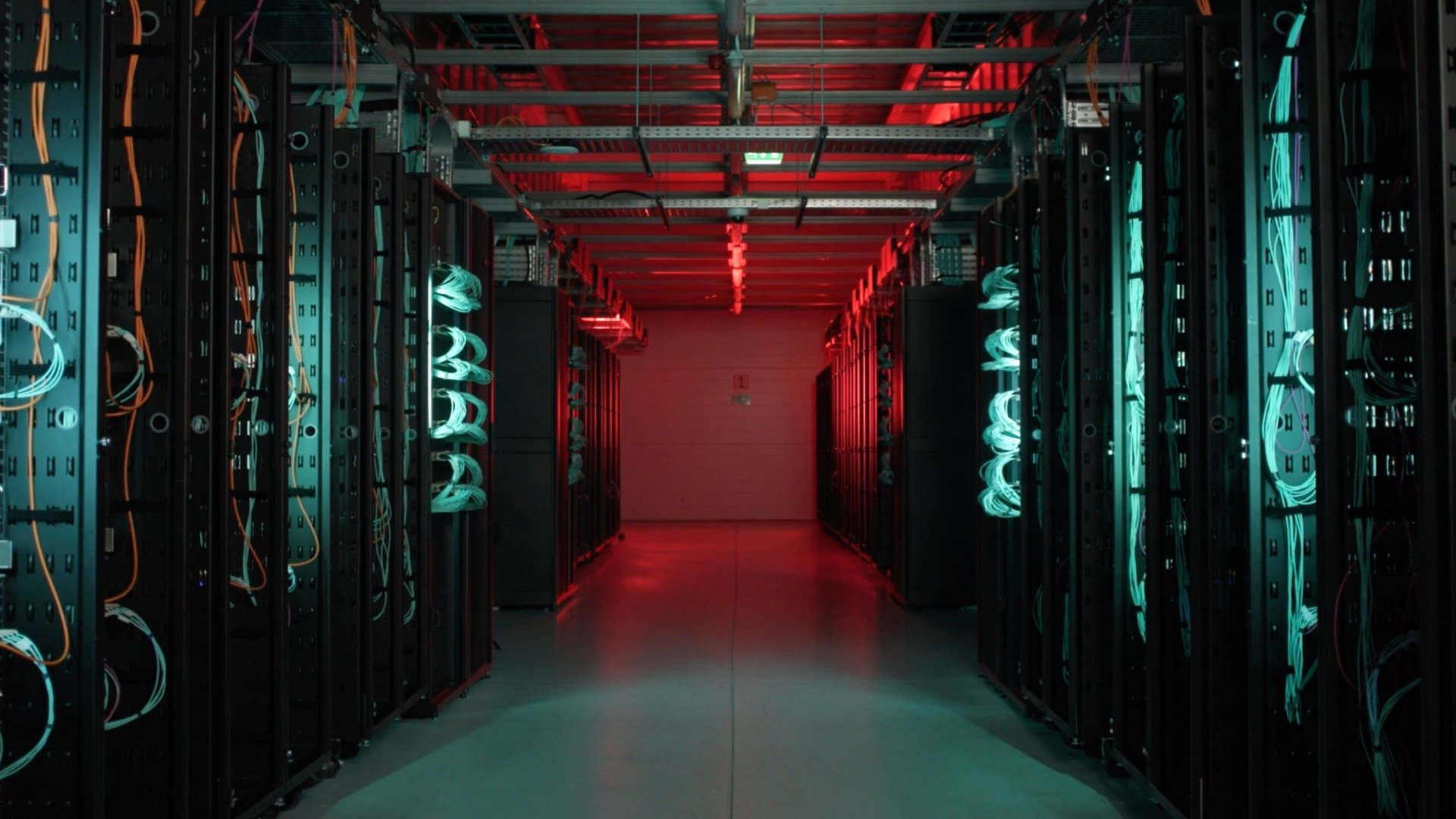
Nebius (NBIS +4.80%) rents AI-optimized data center compute capacity, comprising dense GPU clusters, liquid cooling technology, and an enterprise-grade software stack, to large hyperscalers and enterprises for running high-intensity AI training and inferencing workloads. Share prices of the company are up over 355% in the past year (as of Dec. 1), far higher than Nvidia's comparable share price gains of just over 30%.
While Nebius' business is definitely more volatile than Nvidia due to Nebius' high capital expenditure requirements and heavy reliance on GPU availability, the stock also has significant upside potential. Here's why.
Growth catalyst
Demand for AI-optimized cloud computing capacity is higher than the available supply. Hence, Nebius has not only sold off all available capacity, but also pre-sold new capacity in new markets such as Israel and the United Kingdom even before its launch. The pricing power is evident in the company's solid financials, with third-quarter revenue growing 355% year over year and core AI infrastructure revenues jumping 400%.

NASDAQ: NBIS
Key Data Points
The company has entered a multiyear GPU capacity supply deal worth $17.4 billion with Microsoft, which can be expanded to $19.4 billion, as well as a five-year AI infrastructure deal with Meta Platforms worth $3 billion. These megacontracts have validated the company's position as a prominent AI cloud supplier and also dramatically improved its revenue visibility.
Nebius has hiked its capex guidance from $2 billion to $5 billion in 2025. The company plans to add 800 megawatts to 1 gigawatt of connected power and 2.5 gigawatts of contracted power by the end of 2026. Hence, the company will continue to capitalize on the growing demand for capacity in the coming years.