Shares of Berkshire Hathaway (BRK.B +0.20%) (BRK.A +0.28%) sit in stark contrast to the market's AI (artificial intelligence) enthusiasm. Companies across the tech sector are investing heavily in new data centers and specialized chips, yet Berkshire is letting cash accumulate instead of chasing that trend. The conglomerate's posture has become even more notable as spending on AI infrastructure climbs rapidly and investors debate the long-term return potential of this massive spending.
Berkshire, therefore, offers investors an attractively valued alternative to the AI boom. Not only is the company rich with cash, leaving it ready to deploy it opportunistically if the market takes a hit, but the underlying business is doing very well without any need for huge AI investments.
Here's a closer look at why Berkshire Hathaway is by top pick and biggest holding going into 2026.
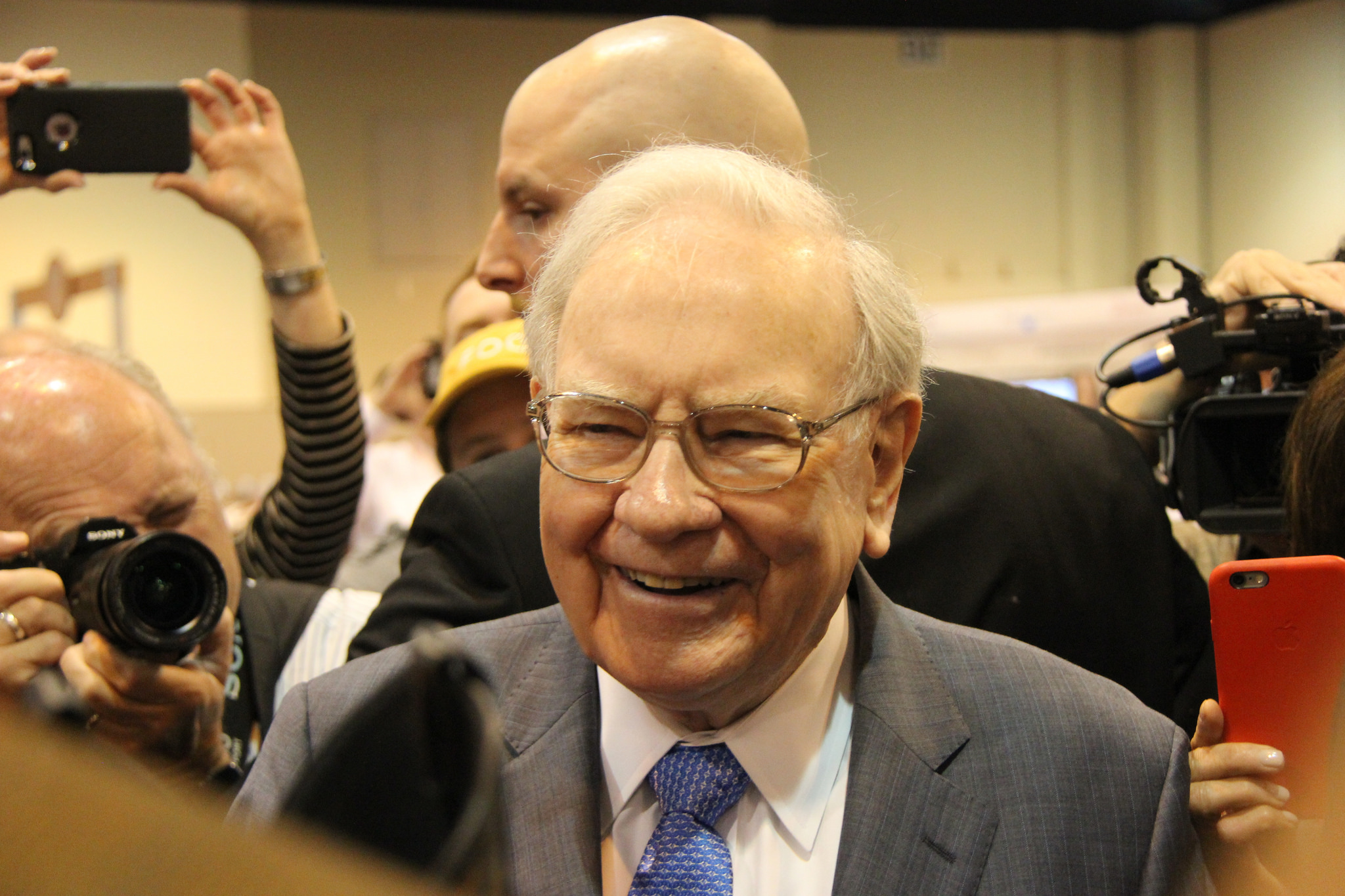
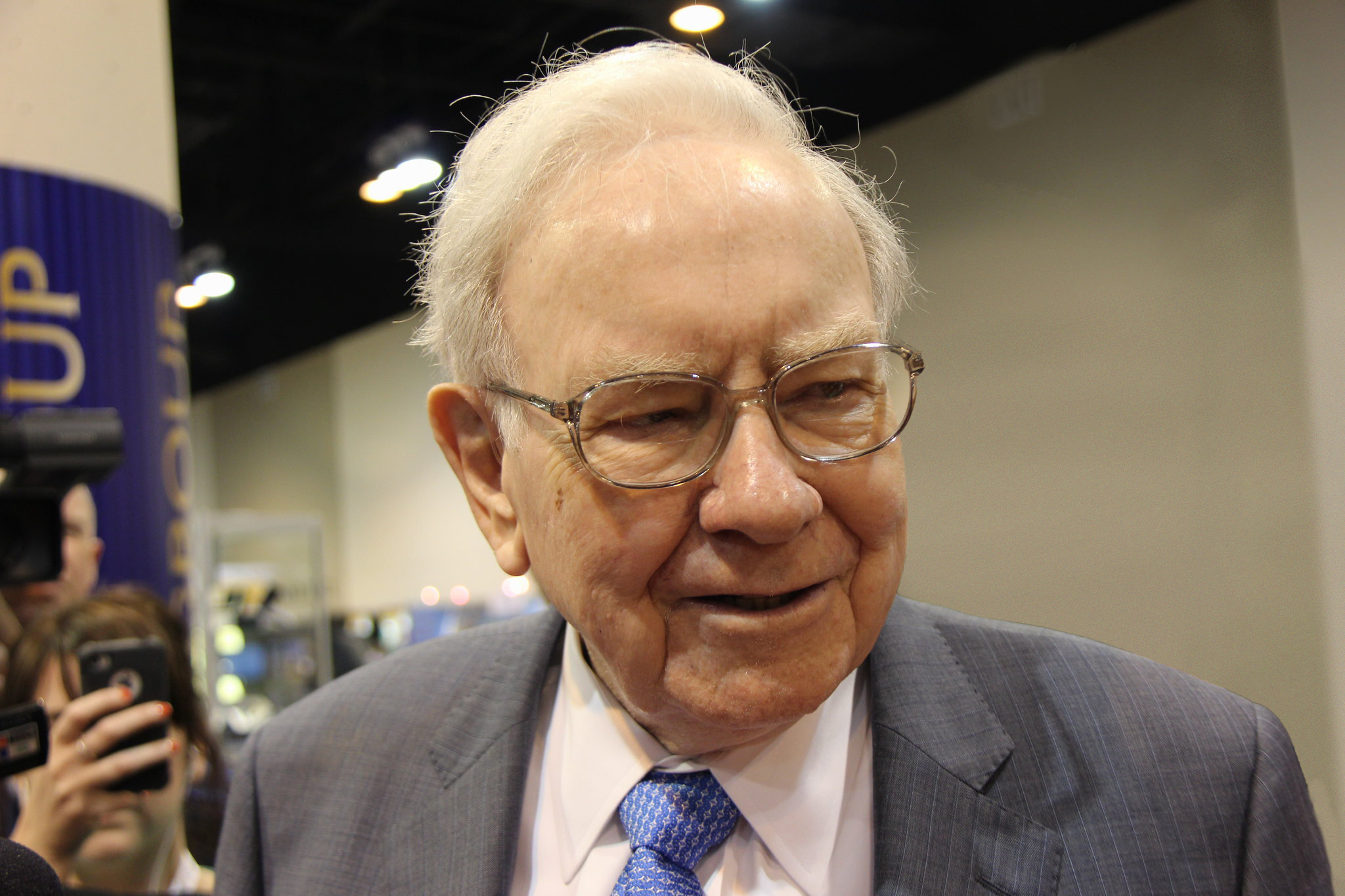
Warren Buffett. Image source: Motley Fool.
Lots of cash and impressive performance
By the end of the third quarter of 2025, Berkshire held about $382 billion in cash, cash equivalents, and short-term U.S. Treasuries, up from about $334 billion at the end of 2024. That record balance reflects Berkshire's continued net selling of equities, steady results from non-insurance subsidiaries, good performance from its insurance operations, and a reluctance to pursue deals at elevated prices.
In addition to raising funds to give Abel optionality as he takes the helm at the end of this year, Berkshire's core business is firing on all cylinders. Its operating earnings in the third quarter of 2025 were $13.5 billion -- up about 34% year over year.
The company's defensive posture is a byproduct of an overhyped market.
"Our financial condition continues to hold a lot more in cash and treasuries than I would like," Warren Buffett said at the 2025 annual meeting. He went on to explain that this is simply a function "of when opportunities occur." He emphasized that major buying opportunities appear only occasionally, suggesting Berkshire is waiting for attractively priced deals before committing large amounts of capital.
Berkshire's contrasting move to hoard cash this year while many others are spending it aggressively has shaped the stock's relative performance. Shares have underperformed the S&P 500 in 2025 -- and they have lagged the stock prices of many of the market's hottest AI investments.
Berkshire's leadership transition is a catalyst
Further, Berkshire CEO and chairman Warren Buffett plans to step down as CEO at the end of 2025, with Greg Abel set to assume the chief executive role while Buffett remains a director and major shareholder.
While many might conclude that this is bad news for Berkshire, given Buffett's extraordinary reputation, I actually believe it's a catalyst for the business and -- longer-term -- the stock.
The leadership transition comes at a moment when Berkshire's liquidity and optionality are as high as they have ever been, giving Abel a blank canvas that is big enough for him to completely transform the company into a higher-performing organization -- a key reason the stock remains my largest holding heading into 2026.
The CEO transition comes at an important time. Buffett has said he expects Berkshire's long-term prospects to be even better under Abel's leadership and that he plans to keep his entire Berkshire stake. Abel will inherit a company with vast liquidity, an established culture, and significant room to act if markets become dislocated.
That optionality is one of Berkshire's defining advantages heading into 2026. With nearly $400 billion in liquidity and insurance float, the company could capitalize on opportunities if AI spending leads to overcapacity, balance-sheet strain, or a market sell-off triggered by the bursting of a potential AI bubble.
Even if dramatic opportunities do not emerge soon, there are other ways Berkshire can reward shareholders.
First and foremost, Berkshire could always ramp up share repurchases. With as much cash as Berkshire has, it could dramatically reduce its share count if it wanted to.
Additionally, Berkshire's interest income on its cash and Treasury holdings should remain meaningful even if rates move lower.
Finally, the company could always initiative a dividend or pay a special dividend if its cash hoard becomes too excessive. My guess, however, is that most shareholders would rather see Berkshire hold onto its cash and wait for an opportunity to deploy it -- even if it takes a very long time. The company has a strong track record of deploying capital in this manner, and it is likely to continue doing so effectively in the future.
Of course, it's worth noting that Wall Street doesn't seem to expect a lot from Berkshire. The bar is low, with the stock only trading at 1.6 times book value. So, there's not a lot of excitement priced in anyway -- and this is probably the main reason I'm bullish on the stock.
There are risks, of course. A rapid decline in short-term interest rates would reduce income from Berkshire's Treasury holdings, which have been an important contributor to earnings. In addition, the leadership transition introduces execution risk as the company moves from a uniquely skilled investor to more of an operator.
For investors looking to counterbalance AI-linked exposure or to anchor portfolios with a durable compounder, Berkshire stands out as a good option heading into 2026.