The past two years have been challenging for Novo Nordisk (NVO 0.59%). The Denmark-based pharmaceutical company has dealt with worse-than-expected earnings, clinical-trial setbacks, and significant competition in its core therapeutic area that has eroded its market share.
And it seems like the bad news keeps on rolling in for the drugmaker. Recent regulatory changes in the U.S. have introduced yet another potential obstacle for Novo Nordisk.
When it rains, it pours. Let's look into these developments and discuss whether it's time to give up on the stock.
The price of Wegovy is going down
In 2022, President Joe Biden signed the Inflation Reduction Act into law. One of legislation's provisions was to grant the Centers for Medicare and Medicaid Services (CMS) the power to negotiate the prices of some of the drugs it spends the most on annually. That means the medicines chosen will see stiff price cuts, at least for Medicare patients.
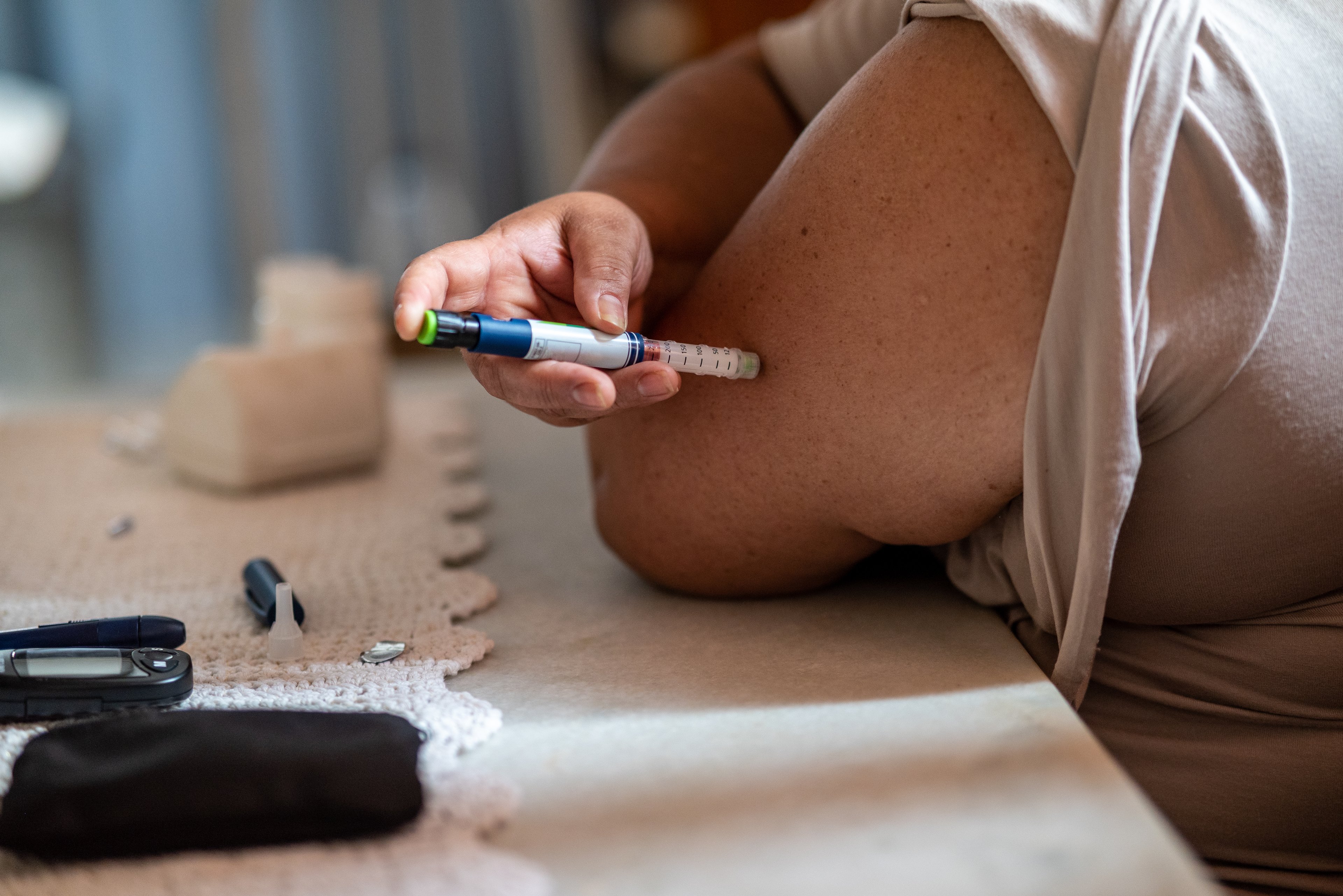
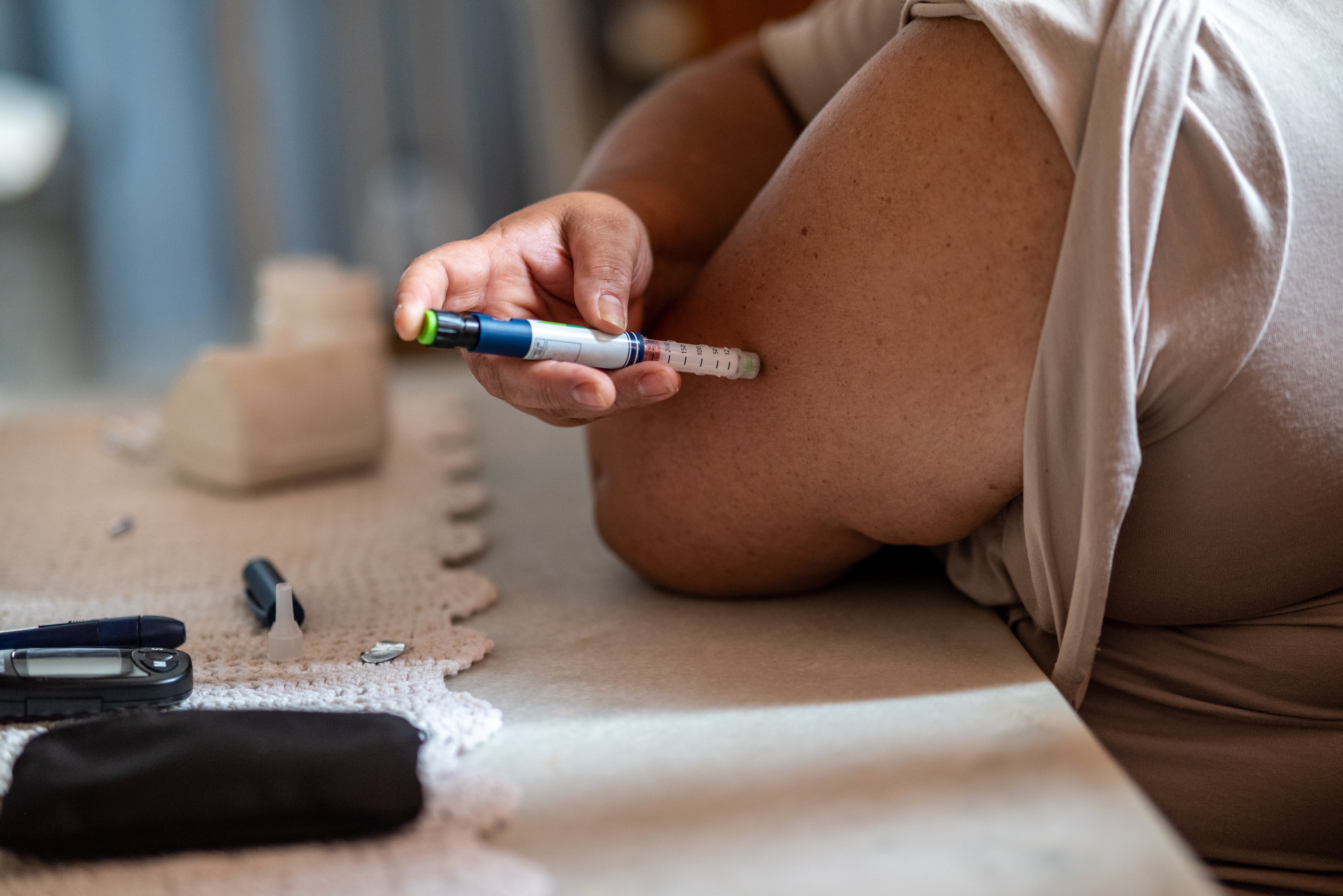
The CMS has just announced a new list of medicines selected for this program that includes Novo Nordisk's Wegovy, Ozempic, and Rybelsus, which all share the same active ingredient, semaglutide. These three drugs will see their list prices decrease from $959 for a 30-day supply to $274, representing a 71% price cut.

Image source: Getty Images.
This follows recent successful efforts by the Trump administration to cut the price of this compound for certain patients. Semaglutide is Novo Nordisk's largest growth driver, and it has not performed as well as expected in recent quarters. With a lower price for many consumers, the company could experience even lower top-line growth.
Looking at the market reaction
The market reacted by sending the stock's price up about 4% following this announcement. This sounds off at first: Why would a lower price for Novo Nordisk's most important drug by far be a good thing for the stock? There are likely several reasons why some investors rushed to buy the company's shares following this news.
First, it was expected. Everyone knew the CMS was targeting semaglutide. In fact, when the company released its third-quarter earnings report, it said that it had already agreed to the negotiated price, although it didn't reveal what it was at the time. The company also said that had the price cuts negotiated by the CMS been applied on Jan. 1, 2025, the negative effect on revenue growth would have been in the low single digits, so 4% at the most.
The fact that the market cheered this news suggests that many were anticipating even steeper price cuts for semaglutide. It is worth noting that, even with 4% lower top-line growth, Novo Nordisk would still have increased its sales by about 8% through the first nine months of 2025 -- a respectable performance for a pharmaceutical giant.

NYSE: NVO
Key Data Points
Second, the CMS' price cuts will take effect on Jan. 1, 2027. By then, semaglutide will have begun sales for several new indications for which it has been recently approved or is expected to receive approval soon.
That includes the new role as a medicine for metabolic dysfunction-associated steatohepatitis (MASH), a serious liver disease. It became the second therapy to be approved by the U.S. Food and Drug Administration -- and the first in the GLP-1 category -- in this market earlier this year.
MASH affects millions of patients, and there is a significant unmet need in this area. This indication could add meaningful revenue, potentially exceeding $1 billion, to semaglutide's annual sales.
And an oral version of the therapy could earn approval for weight loss, making it one of the first such therapies on the market. That would follow other recent approvals, including to cut the risk of major cardiovascular events in diabetes patients.
If the CMS' new list price would have had a 4% negative impact on Novo Nordisk's sales growth this year (at most), the effect might be even smaller by 2027, as the therapy makes headway in these new applications.
Lastly, the new list price for these medicines will make them more accessible. So the increased sales volume should help to somewhat offset the lower prices.
Is Novo Nordisk stock a buy?
There are other potential developments for Novo Nordisk in the meantime. The company will launch new products while making significant progress in its pipeline. CagriSema, another GLP-1 medicine, proved even more effective than semaglutide in weight loss in phase 3 studies.
It is also running late-stage clinical trials for amycretin, a therapy that mimics the action of two hormones, GLP-1 and amylin. Although the drug is primarily being developed for weight management, recent strong phase 2 data in type 2 diabetes also make it a promising candidate in that area.
The company's financial results haven't been quite as good as many would have wanted, and its shares have dropped significantly over the past two years. Novo Nordisk now trades at 12.5 times forward earnings, compared to the average of 18.8 for the healthcare industry. It appears to be a buy at current levels, despite recent developments.