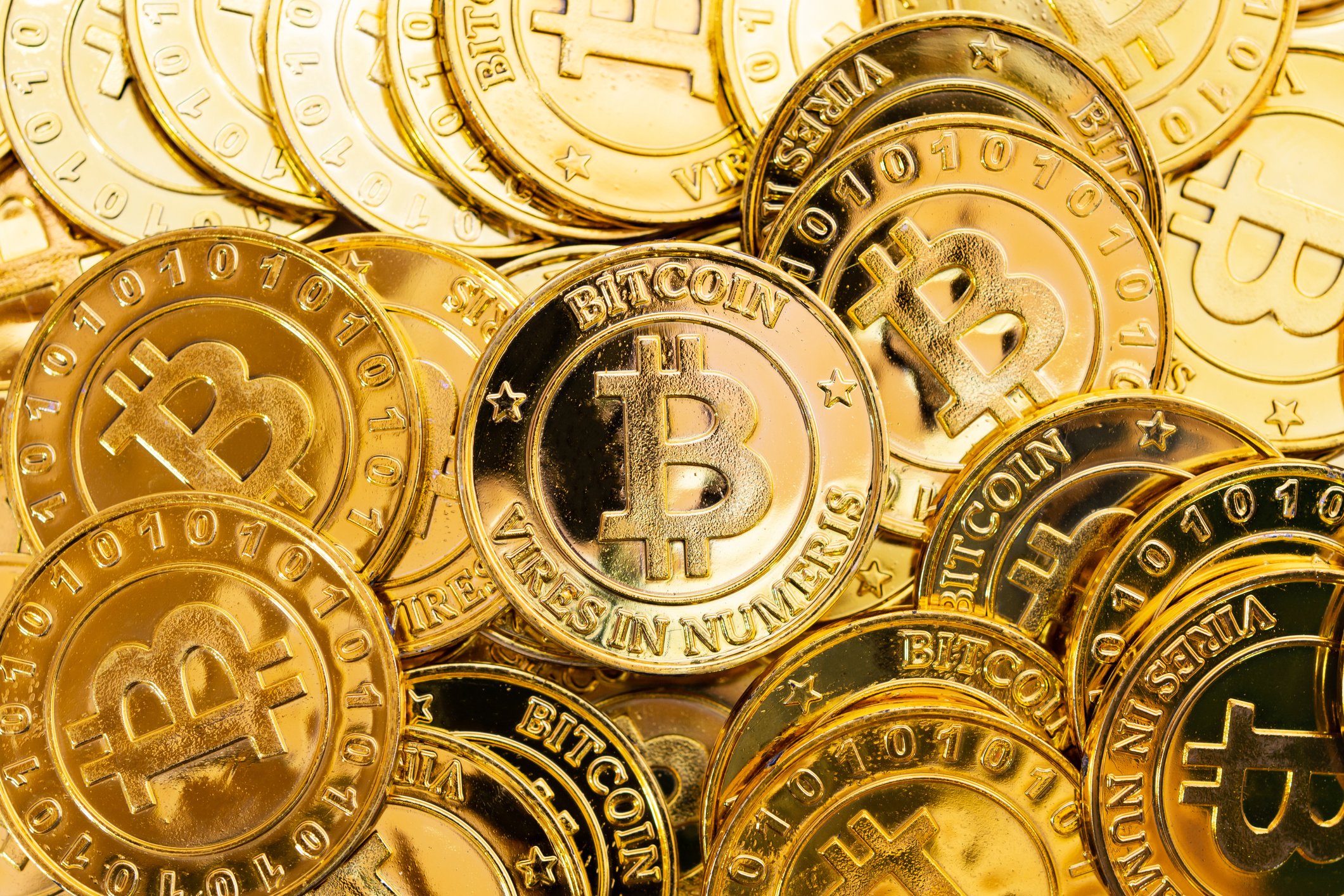
Bitcoin (BTC +2.79%) has had a difficult few months. As I write this (Dec. 8), it is down almost 30% on its all-time high of Oct. 6. Market sentiment has turned risk-off, in part due to a flash crash that caused over $19 billion in liquidations and took a lot of liquidity out of the market. The crypto fear and greed index has straddled fear and extreme fear for the past two months.

Image source: Getty Images.
On Dec. 10, the Federal Reserve is expected to decide whether to cut rates further before the end of this year. Rate cuts are typically viewed as positive drivers for cryptocurrency prices. However, given that this rate cut is widely anticipated, it is unlikely to be enough to turn the tide. Case in point: The October rate cut had little effect on stopping Bitcoin's plunge.

CRYPTO: BTC
Key Data Points
That said, a rate cut combined with optimistic commentary about the economy could bode well for Bitcoin's recovery. Let's dive in and find out why.
What rate cuts might mean for Bitcoin
Lower rates are often beneficial for riskier assets, such as Bitcoin. Rate cuts can reduce the yields from safer investments, pushing investors seeking strong returns toward higher-risk assets. The reduced cost of borrowing can also increase liquidity -- meaning there's more money sloshing around.
Low rates are one of the reasons Bitcoin flourished in 2020 and 2021. However, rate cuts alone won't trigger a crypto rally -- particularly right now when, to some degree, it's already priced in. CME Group's FedWatch tool puts the probability of a 25-basis-point rate cut this week at almost 90%.
Conversely, the Fed may decide not to cut rates on Wednesday. It's unlikely. But if the Fed is more concerned about inflation than the jobs market, it may opt to wait a little longer. That would not be good for Bitcoin. And if Bitcoin tumbles further, it could trigger additional liquidations, sending the leading crypto's price even lower. If it falls far enough, we may be in for another prolonged period of low prices.
Investors will be listening closely
The tone of the Fed's accompanying statement is almost as important as the rate decision itself. Even if it cuts rates, a hawkish tone could further dampen investor confidence and send prices back below $85,000. A dovish tone might help push Bitcoin back toward $100,000. Analysts will also be watching for indications about potential rate changes in 2026.
Another factor that could impact crypto markets is the end of the Fed's quantitative tightening, which began in June 2022. The Fed uses quantitative tightening to remove liquidity from financial markets. It's another way to try to slow inflation. As of Dec. 1, it halted its tightening measures, which could spur a Bitcoin recovery.
Any signals around quantitative easing (which would inject cash into markets) would go even further to generate momentum. That's because increased liquidity could translate into more tolerance for risk. Anything that shifts investors from risk-off to risk-on, even slightly, could be enough to spark a year-end crypto rally.
Is Bitcoin positioned for long-term growth?
Bitcoin's price woes don't tell us about the big steps cryptocurrency took toward the mainstream in 2025. From stablecoin legislation to increased institutional adoption and inclusion in government treasuries, digital assets are back on investors' radars.
As the market has reminded us in recent months, they are still risky assets that should only comprise a small percentage of a broader portfolio. The question is whether they are risky assets with potential. And this week's Fed meeting is only a small part of that picture. In the long term, what matters is whether the structural shifts we've seen this year will be sufficient to consolidate Bitcoin's role in the financial system.
One useful indicator is the level of institutional demand for Bitcoin. While the outflows in recent months are notable, there's still over $120 billion in spot Bitcoin ETFs, per Coinglass data. This year, the government eased some of the restrictions on including alternative investments in 401(k)s and other retirement plans. As the process unfolds, we may see even more institutional funds moving into Bitcoin.
Another is the perception of Bitcoin as a form of digital gold. Like gold, only a finite number of Bitcoins will ever exist. Both Bitcoin and gold are independent from governments. Recent price action undermines the thesis that it could act as a safe-haven asset like gold. However, if it becomes less volatile, its potential to act as a hedge grows.
Next year may bring further regulatory progress, creating a clear legislative framework for Bitcoin and other cryptocurrencies and paving the way for growth. Fed rate cuts may impact Bitcoin's price in the coming weeks, but it is institutional investment and mainstream adoption that will drive long-term gains.