Netflix (NFLX +3.17%) surprised Wall Street and Main Street alike last week when the streaming giant announced its intention to acquire the studio and streaming businesses from Warner Bros. Discovery (WBD +0.78%) in a cash-and-stock deal valued at $72 billion. The long-rumored agreement capped off weeks of negotiations and would create a global multimedia and entertainment powerhouse.
All that remained was for the deal to receive regulatory approval, with many industry watchers predicting a heightened level of scrutiny.
However, the proposed deal hit a snag when Paramount Skydance (PSKY 0.68%) announced a hostile takeover bid for Warner Bros. Discovery, ramping up the drama and casting doubt on the existing agreement.
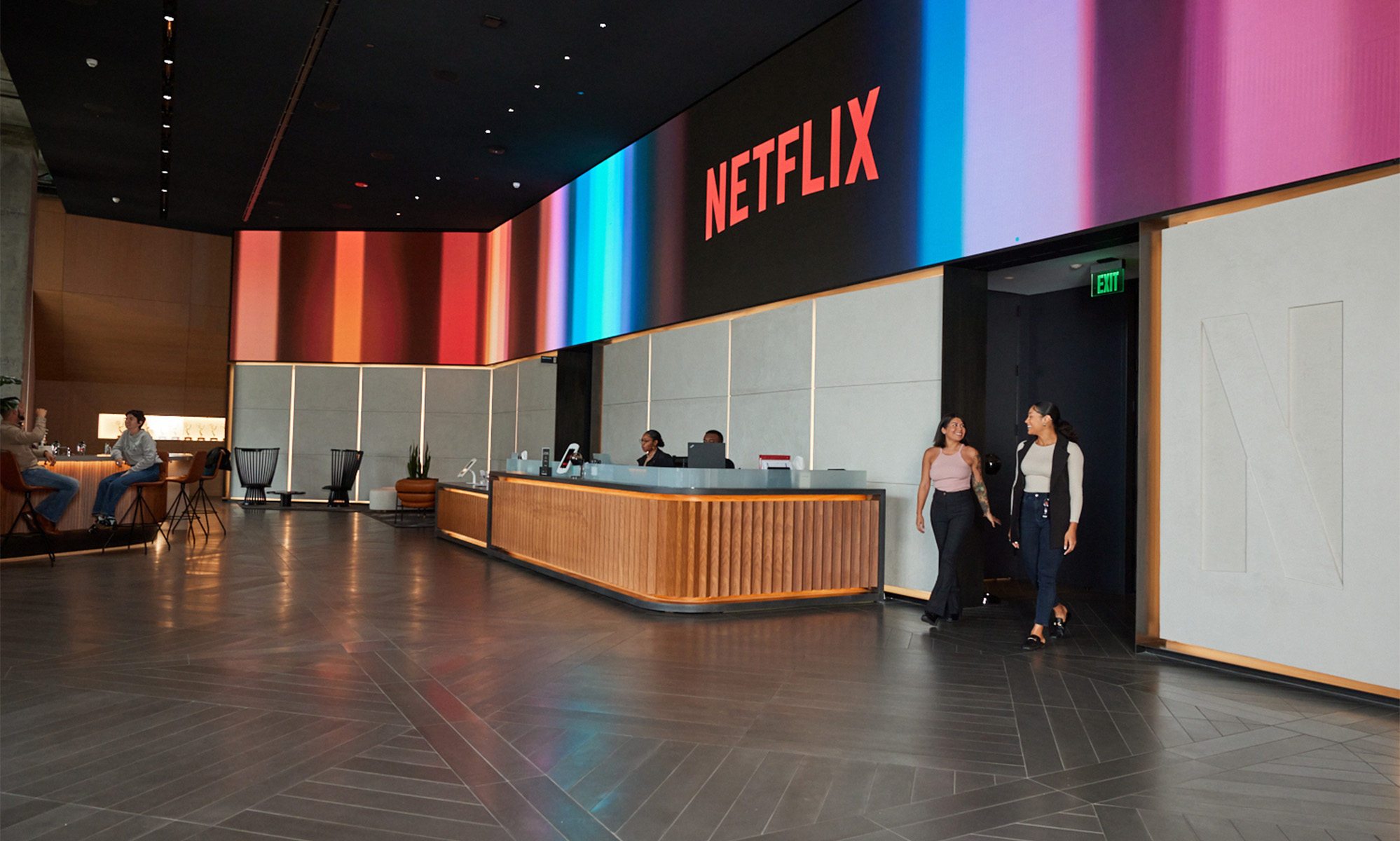
Image source: Netflix.
Going directly to shareholders
In a press release that dropped Monday morning, Paramount Skydance sidestepped the negotiation process, appealing directly to shareholders with an all-cash offer of $77.9 billion or $30 per share. Paramount argued that its "strategically and financially compelling" deal was a "superior alternative" to the existing Netflix offer, citing the potential for regulatory scrutiny and a higher per-share price.
It's important to note that this is not an apples-to-apples comparison. Paramount suggests its deal "provides shareholders $18 billion more in cash" than the Netflix's acquisition bid. While technically true, the devil is in the details, and the claim needs context.
Paramount is offering $30 per share for the entire company. Netflix's bid of $27.75 -- which included $23.25 in cash and $4.50 in Netflix stock -- was just for the acquisition of the company's film and television studios, as well as HBO and HBO Max.
The deal with Netflix did not include Warner Bros. Discovery's sizable suite of cable channels, which includes CNN, TNT, TBS, truTV, Travel Channel, Animal Planet, Food Network, Cartoon Network, and more. Warner Bros. had previously announced plans to spin off its cable assets, which Netflix argues will be worth several dollars per share, making its bid superior. Warner Bros.' board of directors seemingly came to the same conclusion when they accepted Netflix's bid over Paramount's.
The worst of both worlds
This could be bad news for Netflix. A hostile takeover bid after negotiations are complete could result in several unfavorable outcomes for the streaming giant. If Warner Bros. Discovery shareholders accept the deal from Parmount, Netflix could ultimately lose its prize. There's also the possibility that this could turn into a messy and protracted bidding war, which could drive up the final cost to acquire Warner Bros. Indeed, the stock surged Monday morning as the emergence of a motivated suitor could increase the stakes for any potential deal.

NASDAQ: NFLX
Key Data Points
Paramount CEO David Ellison apparently had this in mind and has already lined up a laundry list of backers to secure the deal. The roster includes not only the considerable resources of the Ellison family and private equity firm RedBird Capital, but also debt commitments from Citi, Bank of America, and Apollo Global Management.
On the other hand, with its industry-leading recommendation engine and a treasure trove of data two decades in the making, I would argue that Netflix knows what Warner Bros. Discovery's content is worth, so it's unlikely to overpay for it.
Lies, damned lies, and statistics
Both Netflix and Paramount are painting themselves as the company most likely to pass regulatory muster.
In an interview with CNBC, Ellison made his case directly to the investing public, saying, "When you fundamentally look at the marketplace, allowing the No. 1 streaming service (Netflix) to combine with the No. 3 streaming service (HBO) is anticompetitive."
Netflix argues a similar point, but is using different statistics. According to TV rating provider Nielsen, Paramount controls 8.2% of total TV viewing time, compared to 8% for Netflix. For context, Netflix is sixth on the list, behind Alphabet's No. 1 YouTube and No. 2 Disney, which suggests robust competition exists.
Ultimately, it will be up to regulators to decide which measurement more accurately reflects reality.

NASDAQ: WBD
Key Data Points
What's next?
Netflix and Warner Bros. have a lot at stake if the agreement falls apart. If Netflix walks away or regulators quash the deal, the company would owe a $5.8 billion breakup fee to Warner Bros. Discovery. On the other hand, if Warner Bros. accepts a competing proposal or otherwise violates the agreement, it will be on the hook for a $2.8 billion payment to Netflix.
Recent developments suggest this drama is far from over. Any marriage will still require regulatory approval, and how that will play out -- and in whose favor -- is still anyone's guess.
For now, investors should sit tight and watch while the story unfolds.