The current largest company in the world is Nvidia (NVDA +1.15%). It has a market cap of $4.5 trillion and has a decent lead over some of its big tech peers. Nvidia is the clear favorite to maintain its position as the world's largest company at the end of 2026, but Alphabet (GOOG +0.42%) (GOOGL +0.39%) is also a strong candidate.
Alphabet may start selling its in-house AI computing units to external companies, which would expand its core business and challenge Nvidia. This could propel Alphabet to become the world's largest company, but it will be a tough challenge to dethrone Nvidia.
Image source: Getty Images.
The case for Nvidia
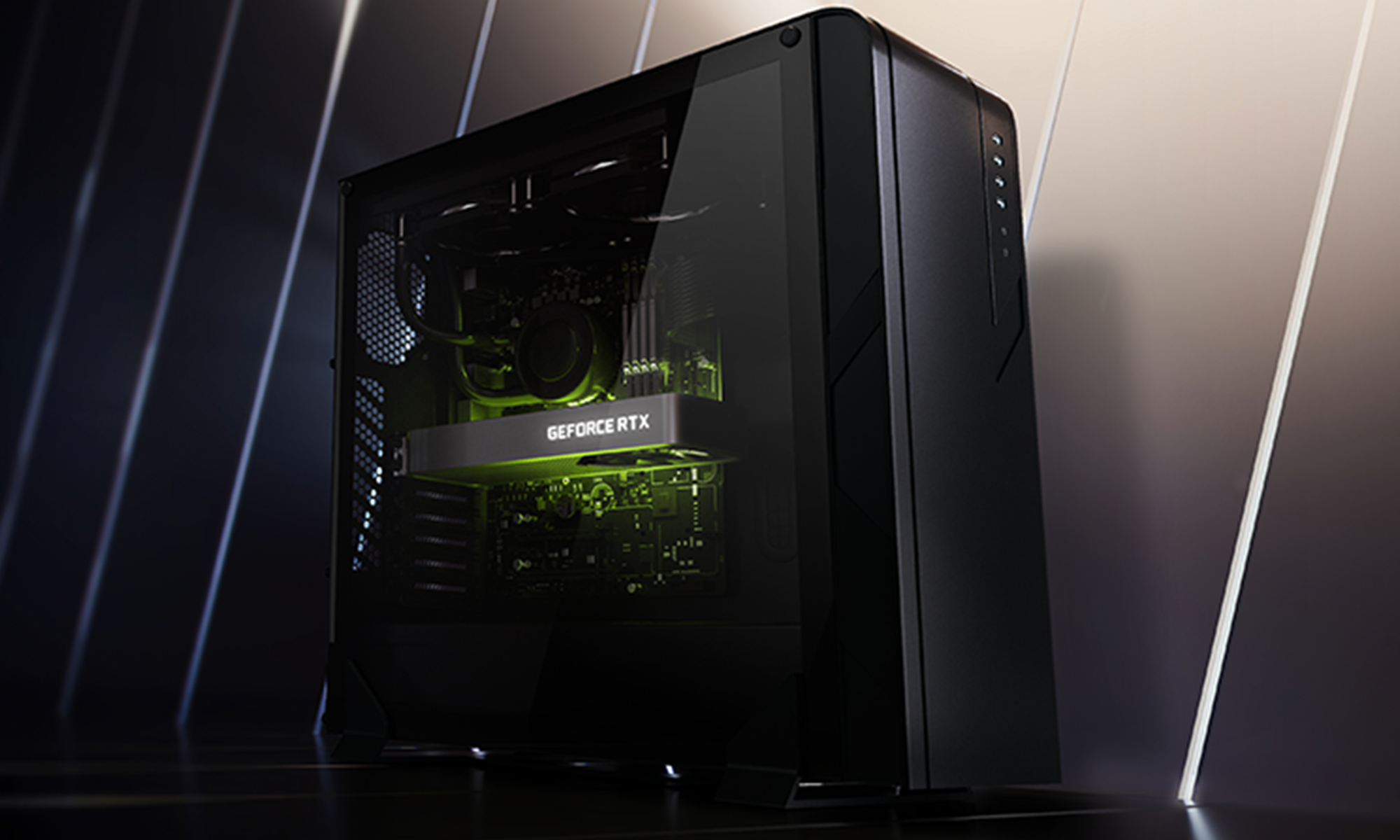
Nvidia makes graphics processing units (GPUs). Originally intended for processing gaming graphics, GPUs have been used to run arduous workloads since their inception. Currently, they are the most popular option to run artificial intelligence (AI) workloads on, and Nvidia has ridden that spending all the way to the top. With how much money the AI hyperscalers are planning on spending on data centers next year, their growth will continue.
After record-setting data center capital expenditures in 2025, all of the AI hyperscalers have informed their investors that they will likely see new records set in 2026. This bodes well for Nvidia, as it's the computing supplier of choice. During its Q3 earnings, CEO Jensen Huang noted that Nvidia is "sold out" of cloud GPUs. Considering that Nvidia's revenue rose 62% year over year that same quarter, it's a clear indicator that computing demand will be going up over the next few years.

NASDAQ: NVDA
Key Data Points
This backs up Nvidia's long-term projection that global data center capital expenditures will reach $3 trillion to $4 trillion by 2030. If that pans out and 2026's spending plans go as expected and there's another announcement for 2027's capital expenditures to set new records, then Nvidia will easily be the largest company in the world at the end of 2026.
The case for Alphabet
It's no secret that Nvidia's GPUs are expensive. As a result, many of the AI hyperscalers are turning to alternative options. Alphabet saw this coming many years ago and developed its Tensor Processing Unit (TPU) in-house, alongside Broadcom (AVGO +2.46%). These TPUs can outperform Nvidia's GPUs when the workload is configured properly, giving Alphabet's computing unit better performance at a cheaper price tag. Originally, these were only used for internal computing projects and made available to rent through its cloud computing offering, Google Cloud. However, Alphabet may consider selling these computing units to Meta Platforms (META +0.09%).
This would mark a huge shift in Alphabet's business model and may open up another revenue stream if other clients emerge for its TPUs.

NASDAQ: GOOGL
Key Data Points
Alphabet is already fairly unbalanced, as the majority of its revenue comes from advertising-related sources. Its biggest revenue source, the Google Search engine, experienced growth of 15% during Q3. While that's impressive for the size and maturity of the Google Search engine, it's nothing compared to what Nvidia is putting up.
If Alphabet starts to sell its TPUs externally, it could open up a lucrative business unit with alternative revenue streams that increase rapidly. Time will tell if Alphabet does it, but if it gains ground on Nvidia during 2026 in this area and sees its core business maintain its success, Alphabet may be the new largest company in the world by the end of 2026.
The winner?
Although Alphabet's investment case is compelling, I need to see more progress in its selling TPUs before I'm willing to take Nvidia's crown away. Currently, the trends are blowing heavily in favor of computing power build-out. Nvidia is the best positioned in the market to take advantage, making it my pick to be the world's largest company by the end of 2026.
However, if AI spending doesn't occur at the pace most believe it will, don't be surprised if Nvidia loses its place at the top in 2026.