Projecting where a stock will be in five years is no easy task.
Five years ago, the COVID-19 pandemic was just ramping up, and there were many questions about what the future would hold. Since then, that crisis has been resolved, and an artificial intelligence (AI) arms race has erupted. Few could have predicted the series of events that got us to today, and projecting them five years in advance isn't going to be any easier.
However, long-term investors are required to do this. Because we're not investing in stocks for a quarter or two at a time, we have to look at long-term trends to understand where a stock may be heading. With Nvidia (NVDA 0.79%) being the largest company in the world, predicting where it's going over the next five years is an important task for two groups of investors.
First, individual Nvidia investors need to think about whether it's worth owning by itself. Second, general market investors need to understand where it's going, because Nvidia makes up over 7% of the S&P 500.
With Nvidia being perhaps the most important stock in the stock market, investors need to know what the future may hold. I think the future is bright, as long as one thing happens.
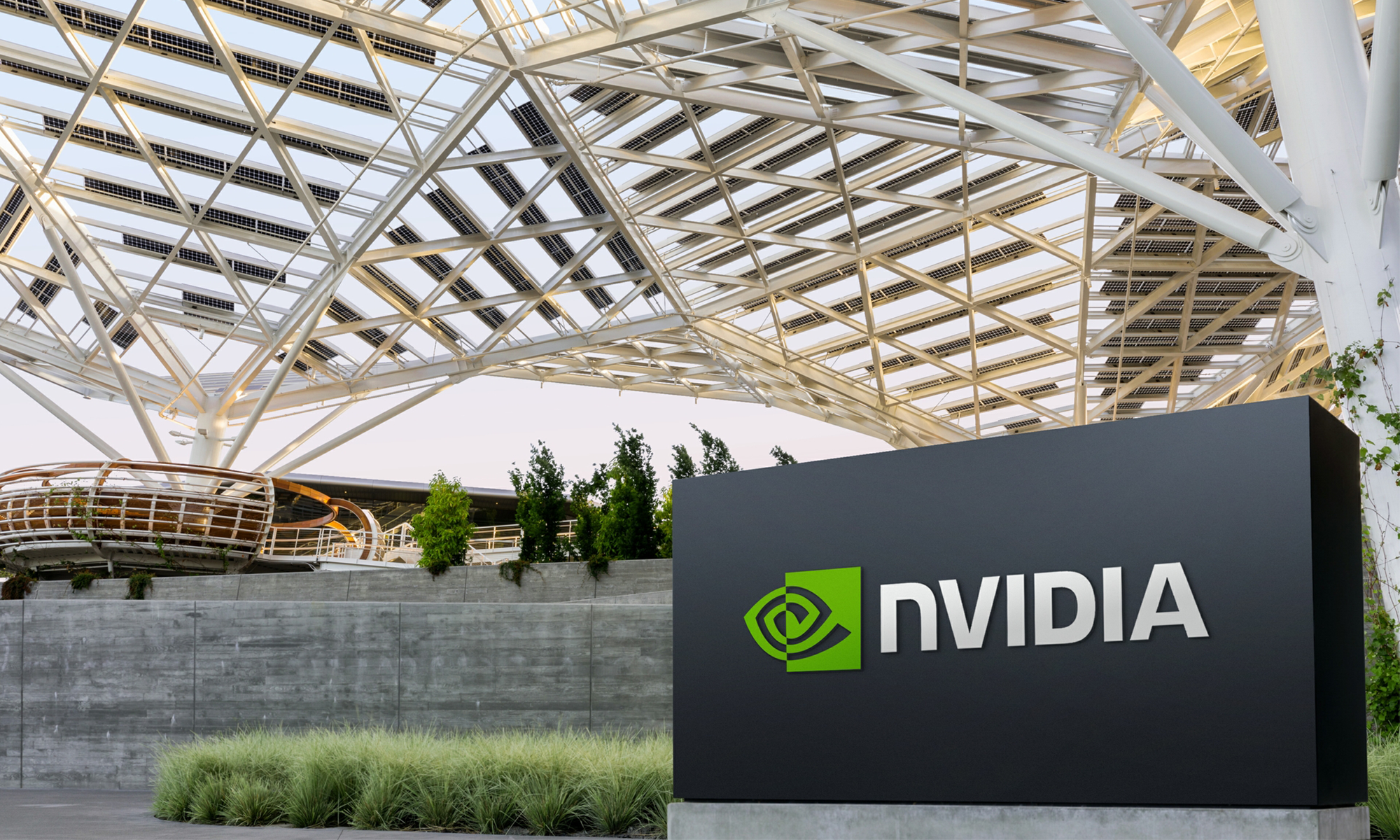
Image source: Getty Images.
Nvidia is supplying the hardware to supply the AI buildout
Nvidia makes graphics processing units (GPUs), which are accelerated computing devices that excel in processing arduous workloads. Originally intended to process gaming graphics (thus the name), they found use cases in engineering simulations, drug discovery, and mining cryptocurrency. Eventually, they found their largest use case yet with artificial intelligence.
GPUs make for fantastic choices in these segments because they can process multiple calculations in parallel. Combine that with the ability to connect multiple units in clusters in data centers, and you have the ultimate computing resource available.
The market for AI computing power has exploded over the past few years, but it doesn't look to be slowing down anytime soon. AI hyperscalers have all announced record-setting data center capital expenditure plans for 2026. That comes after setting records in 2025.
While some of this spending goes to data center infrastructure (think land and building costs), anywhere from a third to half goes to buying computing power. Nvidia is the most popular option for computing resources, which is why its results have been so good over the past few years.

NASDAQ: NVDA
Key Data Points
In Q3 fiscal year 2026 (ending Oct. 26), Nvidia's revenue rose 62% year over year to $57 billion. That's an incredible growth rate for a company of Nvidia's size, and marks a reacceleration from Q2's 56% growth rate.
CEO Jensen Huang noted that they are "sold out" of cloud GPUs, showcasing the incredible demand for its products. This means many clients are likely placing orders years in advance to secure capacity for chips that haven't even been released yet. This bodes well for Nvidia, but also gives it a decent picture of what the future holds.
Nvidia hopes to capture a huge market in the next five years
By 2030, Nvidia expects global data center capital expenditures to reach $3 trillion to $4 trillion. That's up from the $600 billion they expect in 2025. With Nvidia expecting data center capital expenditures to rise at least 5x over the next five years, that bodes well for its business.
While the $3 trillion mark may seem like a long way away, investors must remember that Nvidia has more information than we do. As a result, I think investors need to trust the direction of this guidance.
Should that level come about, Nvidia's revenue could 5x if it maintains its market share. For FY 2026 (ending January 2026), Wall Street analysts expect $213 billion in revenue. That would indicate Nvidia's revenue could breach the $1 trillion threshold in the next five years, which would lead to incredible returns.
This requires the AI hyperscalers to continue spending like they are. If they do, Nvidia will be a must-own stock over the next five years. If they don't, Nvidia may fail to live up to expectations.