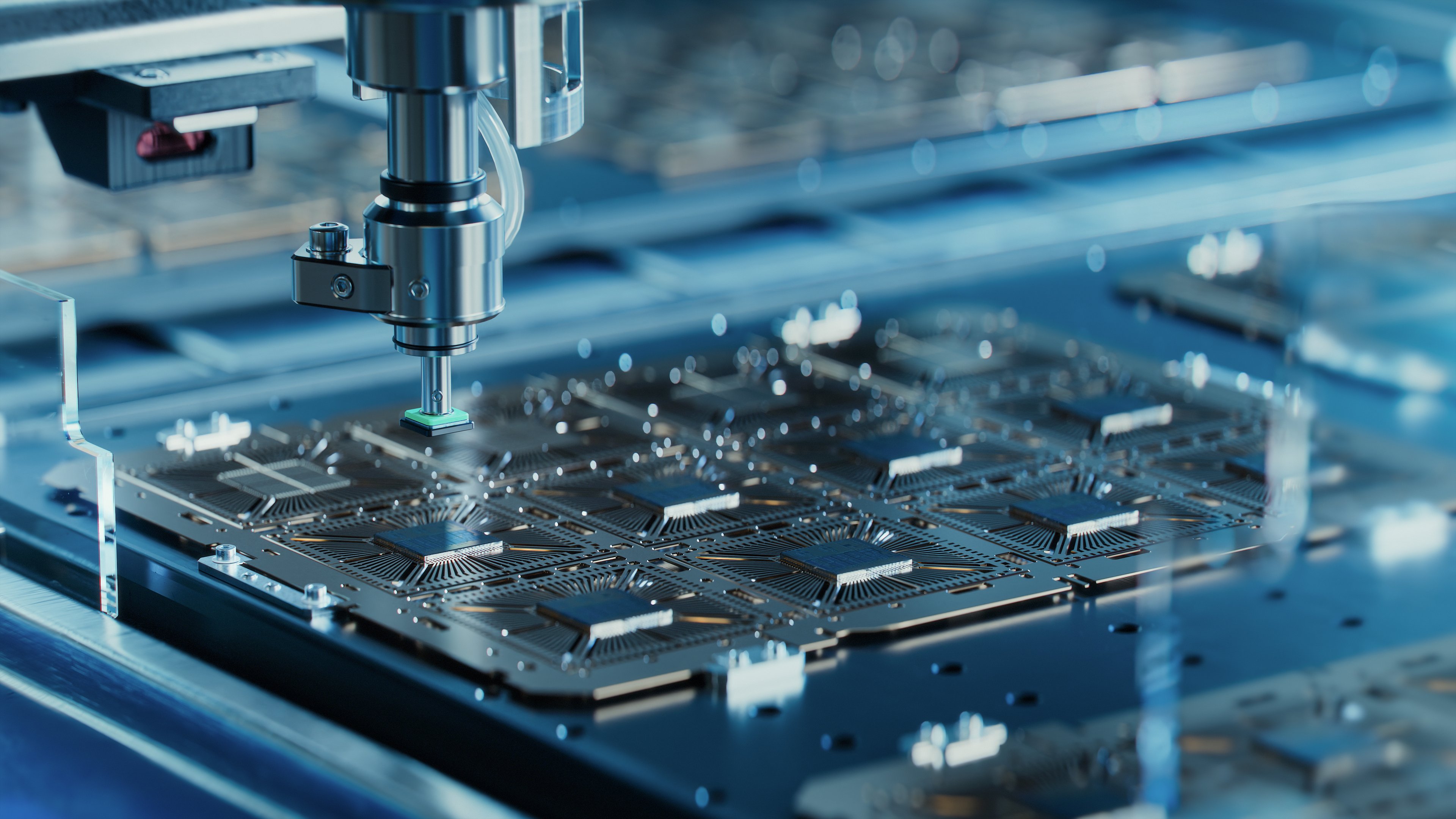
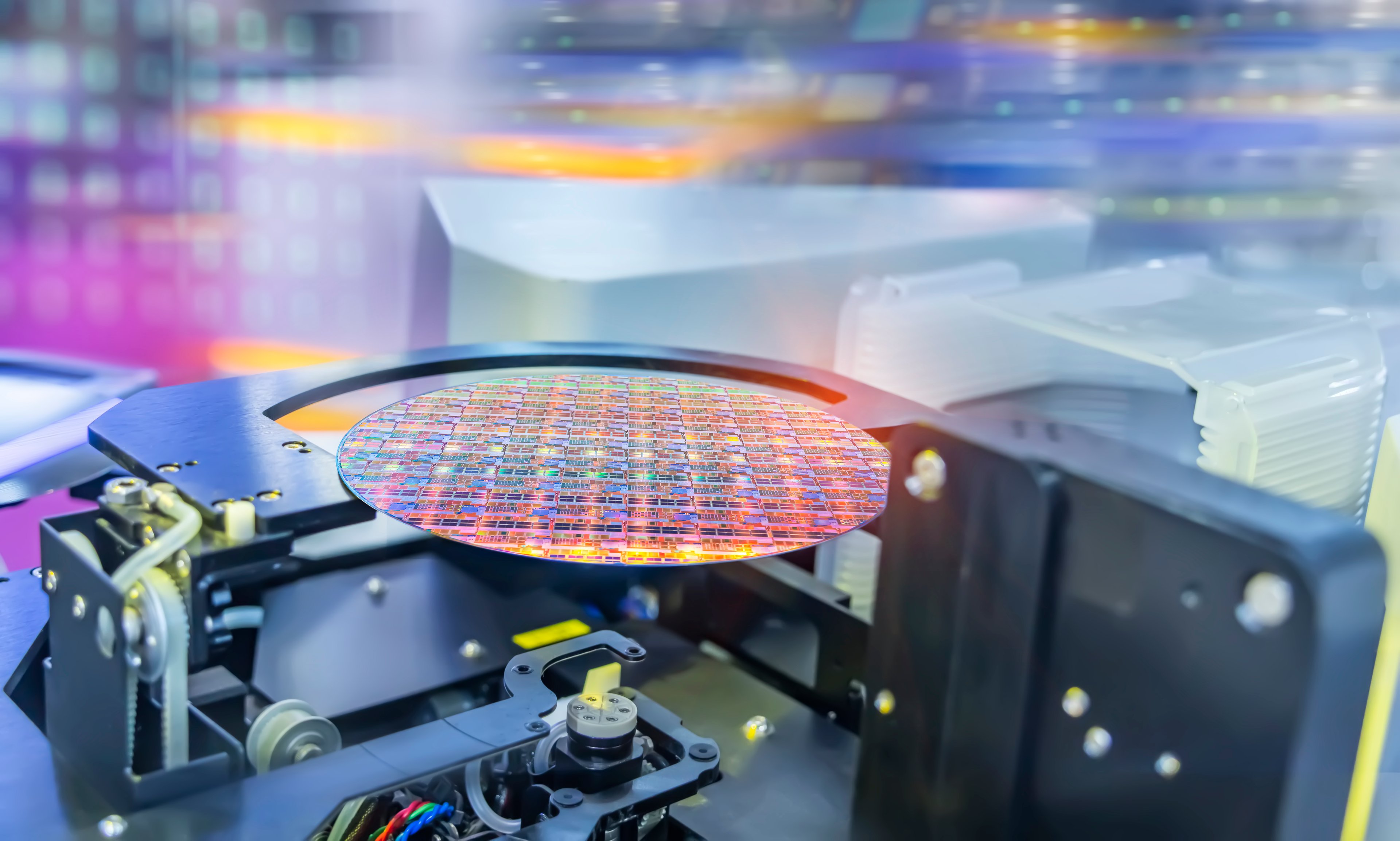
Investors love to speculate about stock splits, and one of the more obvious targets for a split has been ASML (ASML 3.26%), the Netherlands-based company that is the world's only manufacturer of extreme ultraviolet (EUV) lithography machines. Those are massive, highly complex machines that chip manufacturers like Taiwan Semiconductor rely on to make the world's most advanced semiconductors.
ASML is a candidate for a stock spilt not because of its business model, but because of its share price, which is now hovering above $1,000. That puts the stock in rare company, as only 18 publicly traded companies out of more than 10,000 have a share price above $1,000.
In general, the higher a company's individual share price, the more likely it is to consider a stock split.

Image source: Getty Images.
What you need to know about stock splits
Stock splits get a lot of attention from investors, but they don't do anything to change the fundamentals of a stock. Investors get more shares that are now worth a proportionally lower price, like cutting a pie into more pieces.
However, stock splits do have an impact on the stock. First, they get attention from investors, and trading volume tends to rise around the time of the stock split. Additionally, they make individual shares cheaper, which does make them more accessible to retail investors. Companies often say they're splitting their stock to make it more affordable for employees as well.
There's also some evidence that stock splits can lead to outperformance. According to research from Bank of America, stocks tend to outperform over the next 12 months after splitting their stocks, returning around 25%. It's not clear why that is, but there are a number of possible reasons why.
Companies choose when to split their stocks, and they're likely to do so when they're confident that shares will continue to rise. In that sense, stock splits act as a milestone for the company as management chooses the time to reset the share price so it can climb again. Finally, there could be a self-fulfilling prophecy with stock-split stocks. If investors expect them to go up following the split, they're more likely to buy them, pushing them up just based on that expectation.

NASDAQ: ASML
Key Data Points
Will ASML split its stock?
ASML hasn't commented on a possible stock split, but that's not unusual. Typically, it's not something a company discusses before an announcement is made.
ASML has done stock splits in the past, but they were mostly early in its history, including a 2-for-1 split in 1997, another 2-for-1 split in 1998, and a 3-for-1 split in 2000. Later, it did two reverse stock splits, an 8-for-9 reverse split in 2007 and a 77-for-100 reverse split in 2012. Reverse stock splits are typically only used by companies in distress, but ASML tied them to share buybacks and a program in 2012 that included Intel, TSMC, and Samsung taking a stake in the company.
The stock has been volatile in recent quarters as the semiconductor equipment sector hasn't gotten the same AI tailwind that chip-makers have. ASML's revenue was basically flat in the third quarter, though the company is still projecting solid growth through 2030, targeting 44 billion-60 billion euros in revenue, up about 60% from 2025.
A stock split seems likely to happen at some point, but management may be looking for more stability before it pulls the trigger on the split. For investors, the company's monopoly in EUV machines, and its leadership in lithography is a better reason to own the stock no matter what happens with the stock split.