In 2025, the S&P 500 has so far generated a 17% total return (as of Dec. 17). In the face of trade uncertainties and waning consumer confidence, this is a great performance for the broad index. Unfortunately, Walt Disney (DIS 0.56%) has lagged the benchmark with a total return of 1.4%.
Disney is still a media and entertainment powerhouse with a wide economic moat. Here's what investors should watch as we head into 2026.
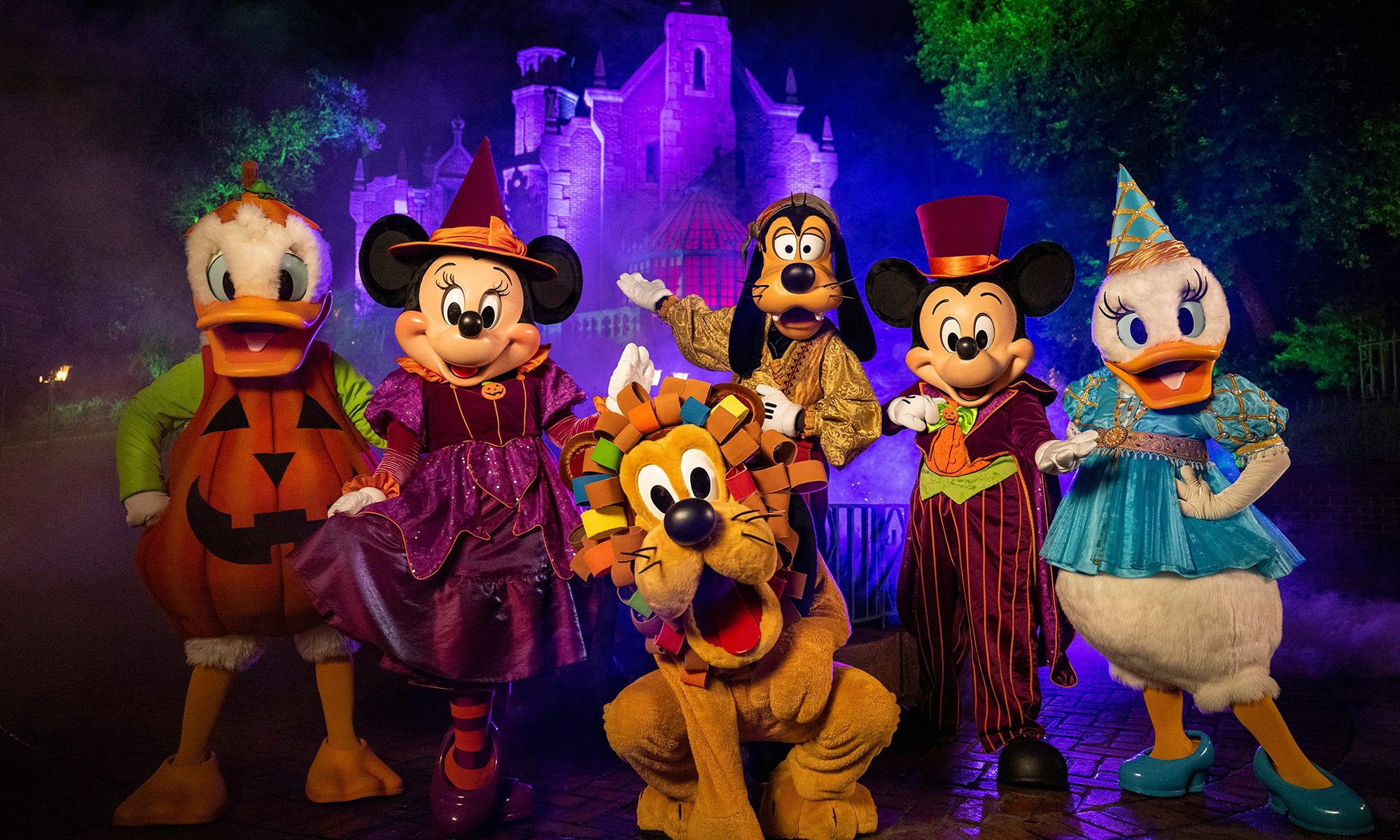
Image source: Walt Disney.
Looking back at 2025
One of the biggest developments that Disney had in 2025 was the launch of its highly anticipated flagship ESPN app in August, giving sports fans a top streaming option that might make it easier to completely ditch their cable TV subscriptions. ESPN is the premier brand in sports entertainment, with access to major sports rights. CEO Bob Iger said the launch so far has been a success, helping bring on new customers.
At a high level, Disney's direct-to-consumer (DTC) streaming segment (excluding ESPN) has done well. During fiscal 2025 (ended Sept. 27), Disney+ added 8.9 million net new subscribers, bringing the total to 131.6 million, while Hulu now has 64.1 million subscribers. DTC generated $1.3 billion in operating income last fiscal year, up from $143 million in the year before. With a broad range of content and unrivaled intellectual property, Disney is already a winner in the streaming wars.

NYSE: DIS
Key Data Points
Streaming and experiences will drive Disney's financials
Looking ahead to 2026, investors should continue to keep tabs on how Disney's streaming operations perform. One of the biggest risks, particularly at this scale, is that the streaming services will start to register slower growth as they further penetrate key markets. Strong performance here is critical, which will demonstrate that Disney has a powerful position in the new media landscape.
Experiences are another area to pay attention to. This is Disney's most lucrative division, as it raked in $10 billion in operating income on $36.2 billion in revenue in fiscal 2025, translating to a fantastic operating margin of almost 28%. The company is in the midst of building new attractions and expanding its cruise fleet, as leadership sees an opportunity to target more fans.
Disney's parks, cruises, and consumer products might be the most competitively advantaged part of its business, with proven pricing power and durable growth. However, this segment is exposed to the whims of the broader economy. If there's a recession that happens and leads consumers to drastically pull back their spending, then experiences will likely take a hit. This will negatively impact overall company performance.