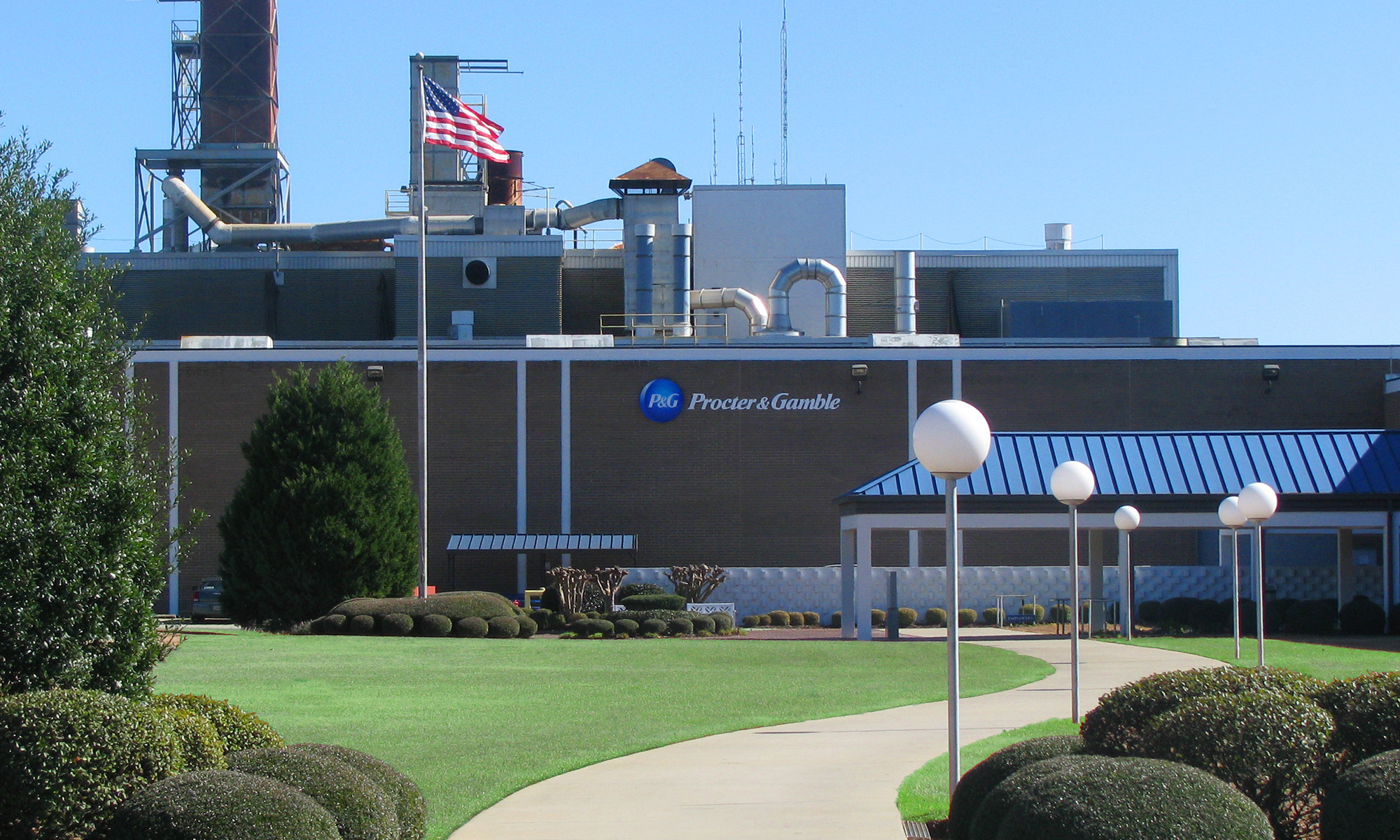
Procter & Gamble (PG 0.73%) is a venerable, reliable blue-chip stock that investors have trusted for over a century. The 188-year-old company's investors don't expect tremendous growth, but instead depend on stability and a solid quarterly dividend of $1.06. The behemoth grew 2% in fiscal 2025, but may face an even more challenging 2026 if recessionary fears intensify in the U.S. and beyond.
P&G is a canary in the coal mine for greater economic and consumer health in many ways -- if customer sentiment sours, its financials reflect it. Where the stock ends up in 2026 will depend on macroeconomic factors and the company's global expansion efforts. Investors should monitor both, but may find an opportunity to buy at a low price if the stock continues to dip.

Image source: Getty Images.
Consumer sentiment heading south
Procter & Gamble stock is down more than 13% as of market close on Dec. 15. Although P&G has an extensive brand portfolio, one factor investors should consider is competitors' private labels increasing in popularity. If consumers continue to have less disposable income in 2026, they will likely look for private label and discount brands, which could impact P&G's growth, pricing power, and profitability.
Walmart, Target, and Costco Wholesale all have popular in-house labels. P&G is highly exposed to premium-priced consumer goods and will therefore have a tough time competing with these competitor brands if customer wallets tighten in the new year.
Reaching new customers abroad
One way Procter & Gamble can combat economic headwinds in the U.S. is through strong expansion in emerging markets, such as Asia and Latin America. P&G is close to market saturation in the U.S. and Europe; therefore, further expansion into other areas of the world is crucial for the company's growth and stability in uncertain economic times.

NYSE: PG
Key Data Points
Additionally, P&G could acquire new brands in lucrative industries, such as beauty and skincare, to expand its revenue streams.
Tariffs will also play a significant role in the success of the stock in 2026. If the Trump Administration stays the course with tariff pressure, P&G might have a repeat down year. Back in July, the company announced that it needed to raise prices for already sensitive consumers and expected a $1 billion hit to its balance sheet from tariffs.
If tariffs are reduced or eliminated, and consumer sentiment improves, this would be the best-case scenario for P&G in the coming year.
P&G will stay the course
Procter & Gamble is a blue-chip stock and isn't going anywhere, but it's not completely without risk as we head into an economically rocky 2026. The stock's future performance is largely determined by macroeconomic factors, including tariffs, inflation, and unemployment. The company could counter these headwinds by expanding into promising global markets and acquiring more profitable brands.