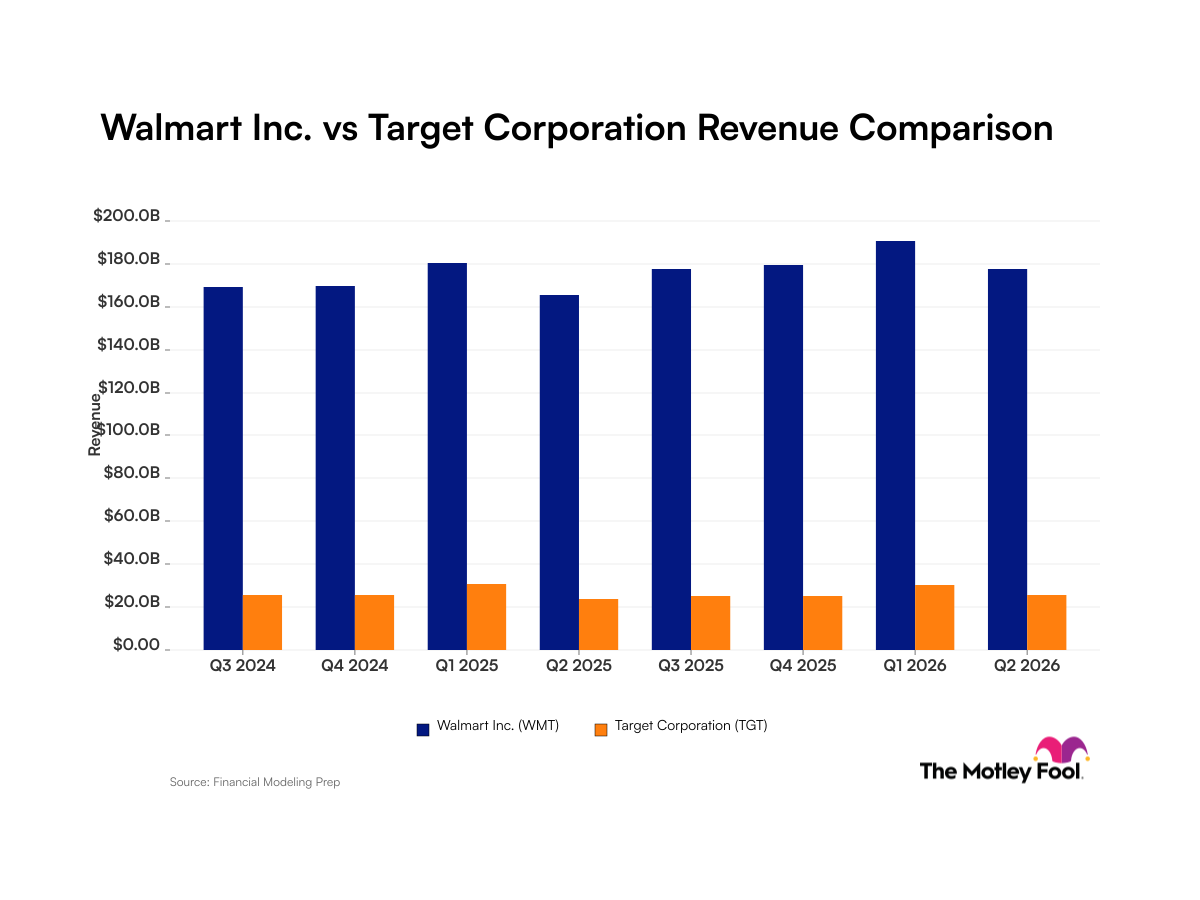
There may be several compelling reasons to sell Target (TGT 0.43%) these days. The once-aspirational "cheap chic" department store chain is losing market share to rivals whose retail stocks it once dominated. Net sales are declining for the third consecutive year. Comparable sales at physical stores have declined 4.2% through the first nine months of this fiscal year, with traffic and transaction sizes also taking a step back.
I've been a Target shareholder for many years, and I can counter the obvious knocks on the investment by pointing out how cheap the stock has become. Hope also springs eternal that the new CEO, who steps up in February, has a shot at returning the chain to greatness. However, I have a more self-serving reason for never wanting to sell my Target stock. Every quarter, I receive a dividend check from the retailer, which keeps increasing in size with each passing year.
Image source: Getty Images.
King-sized distributions
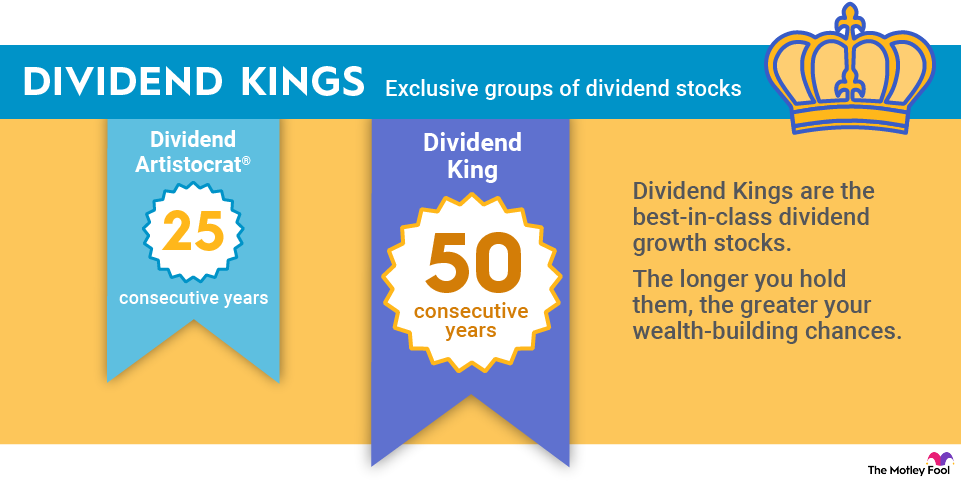
There are only 56 U.S. exchange-listed companies that have come through with at least 50 consecutive years of payout increases. Target is on that exclusive list of Dividend Kings. Earlier this year, it extended its streak to 55 years of raised distributions.
There's a lot to say about this. Dividend Kings tend to have low yields, as decades of success translate into hearty capital gains that typically outpace the increased disbursements. Target's recent slide has pushed its yield all the way up to 4.7%.
That's a lot, but Target is good for the money. Its latest guidance calls for it to earn $7 to $8 a share this year. Its quarterly dividend of $1.13 a share is $4.56 on an annualized run rate, giving it a sustainable dividend payout ratio of 61% at the midpoint of Target's earnings outlook. Even better, analysts expect Target's bottom line to start growing again next year.

NYSE: TGT
Key Data Points
A win-win situation
Target shares have surrendered a quarter of their value over the past year, but let's draw the starting line here. Target is almost a lock to raise its dividend again next summer. That means if the stock continues to slide in 2026, its yield will grow even larger. If the stock moves higher -- the far better alternative, naturally -- it means capital appreciation on top of a beefy quarterly dividend.
A positive turn is already the more likely scenario. Analysts see Target reversing its three-year decline in net sales come 2026. The stock remains cheap, trading at just 13 times forward earnings. When you see a prince -- or in this case, a Dividend King -- being valued like a pauper, you don't let the opportunity go. Good luck getting me to sell my Target stock.