Patience is a virtue in financial markets. Sometimes it can pay to wait until an overvalued stock gets cheap enough to earn a place in your portfolio. And with shares down by over 80% from their peak, Rivian Automotive (RIVN +0.71%) might deserve a closer look.
Let's dig deeper to find out if the embattled electric vehicle (EV) maker can bounce back as it expands its business model and potentially benefits from a thinning of the competition as rival automakers begin to abandon their fully electric ambitions.

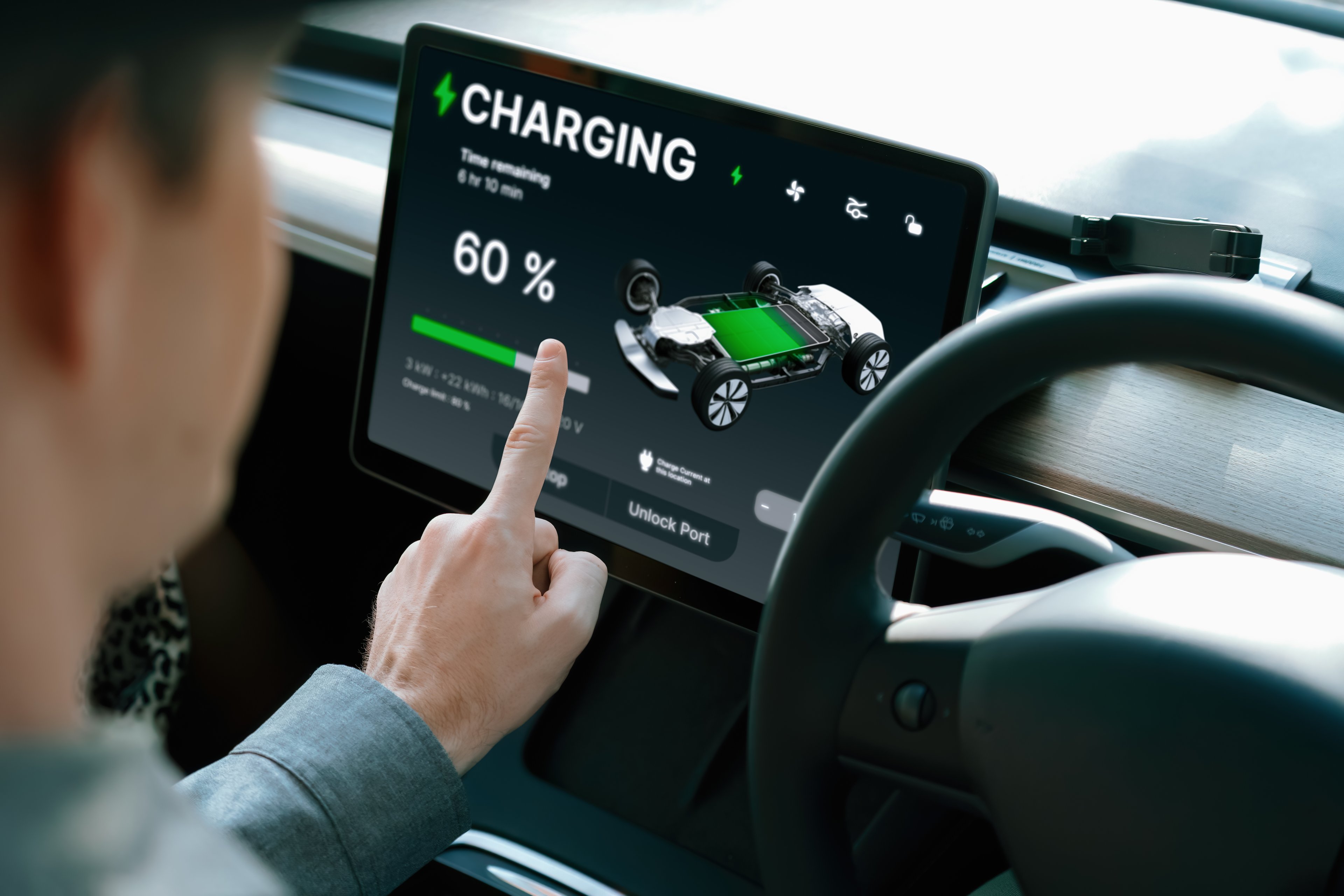
Image source: Getty Images.
The EV industry faces serious challenges
When Rivian hit the market through an initial public offering (IPO) in late 2021, electric vehicles (EVs) were all the rage. Analysts boldly predicted that the new technology would quickly replace traditional gasoline-powered vehicles and potentially boost the industry's profit potential as early leaders like Tesla demonstrated incredible growth and margins.
Behind the scenes, governments around the world were putting their thumb on the scales to support the industry. In the U.S., this took the form of tax and regulatory credits to support demand while making EV production more competitive relative to gasoline-powered vehicles. However, this year, the Trump administration has rolled back these incentives with disastrous consequences for the once-burgeoning industry.
According to Reuters, overall U.S. EV sales sank by more than 41% in November, following the removal of a $7,500 tax credit that expired in October. Investors should expect continued weakness in the near term -- although over a longer time horizon, improving battery technology and changing consumer habits could spark a resumption of growth.
The crisis might have a silver lining for Rivian
While the loss of U.S. tax credits and other incentives will hurt the American EV industry as a whole, Rivian is much better positioned to weather the fallout than some of its rivals. For starters, many of the company's vehicles didn't even qualify for the $7,500 tax credit because of battery sourcing requirements and MSRPs that were too high. More importantly, the reduction in government support is already helping to thin the herd and stem the competition from legacy automakers.
In December, Ford Motor Company announced an eye-popping $19.5 billion in writedowns as it restructures its business and scraps planned new all-electric models. The company has totally cancelled its once-promising Ford-150 lighting, which competes directly with Rivian's R1T pickup truck.
Over the next few years, pure-play electric automakers like Rivian will have the opportunity to capture more market share in a smaller, but dramatically less competitive EV industry, while traditional U.S. automakers return their focus to gasoline-powered vehicles and hybrids.
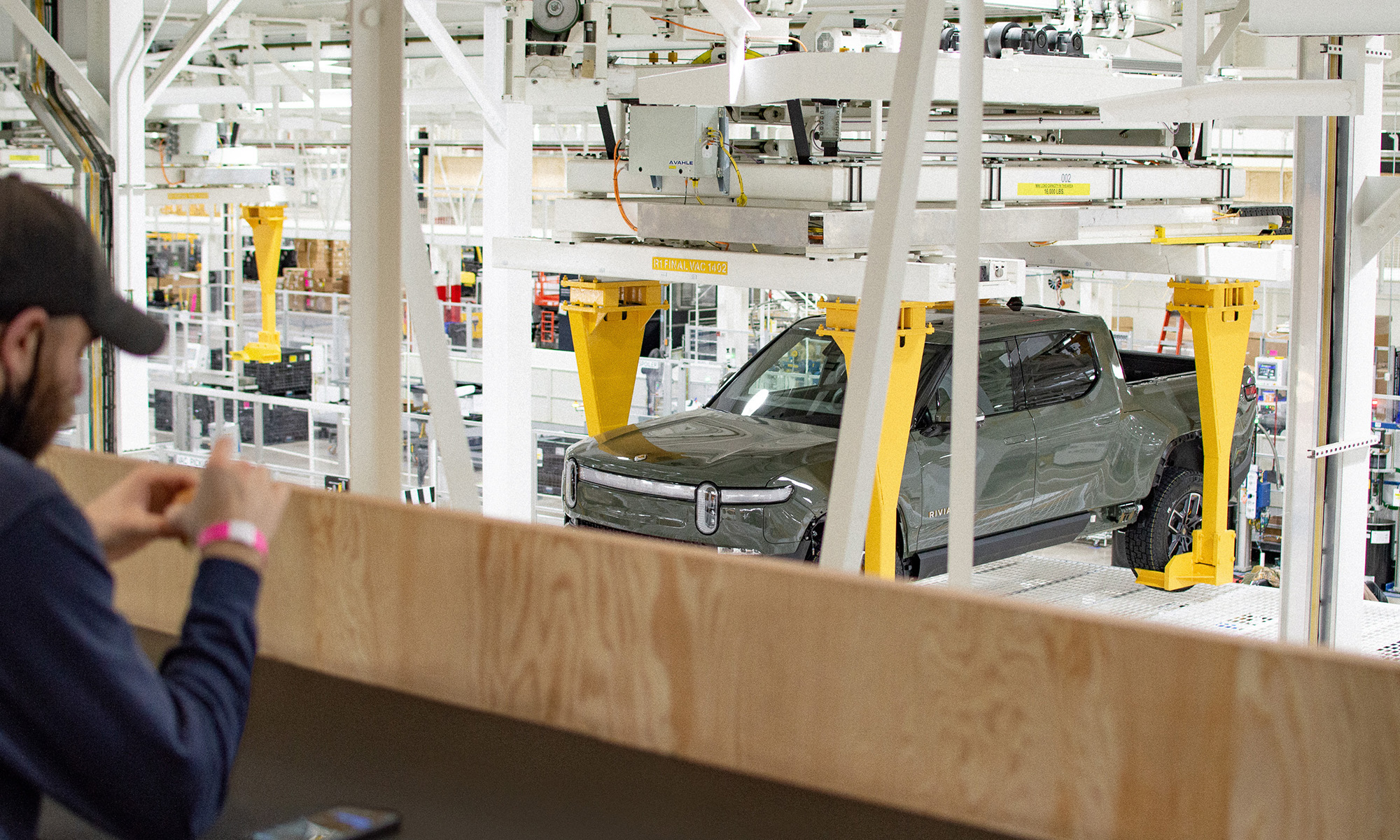
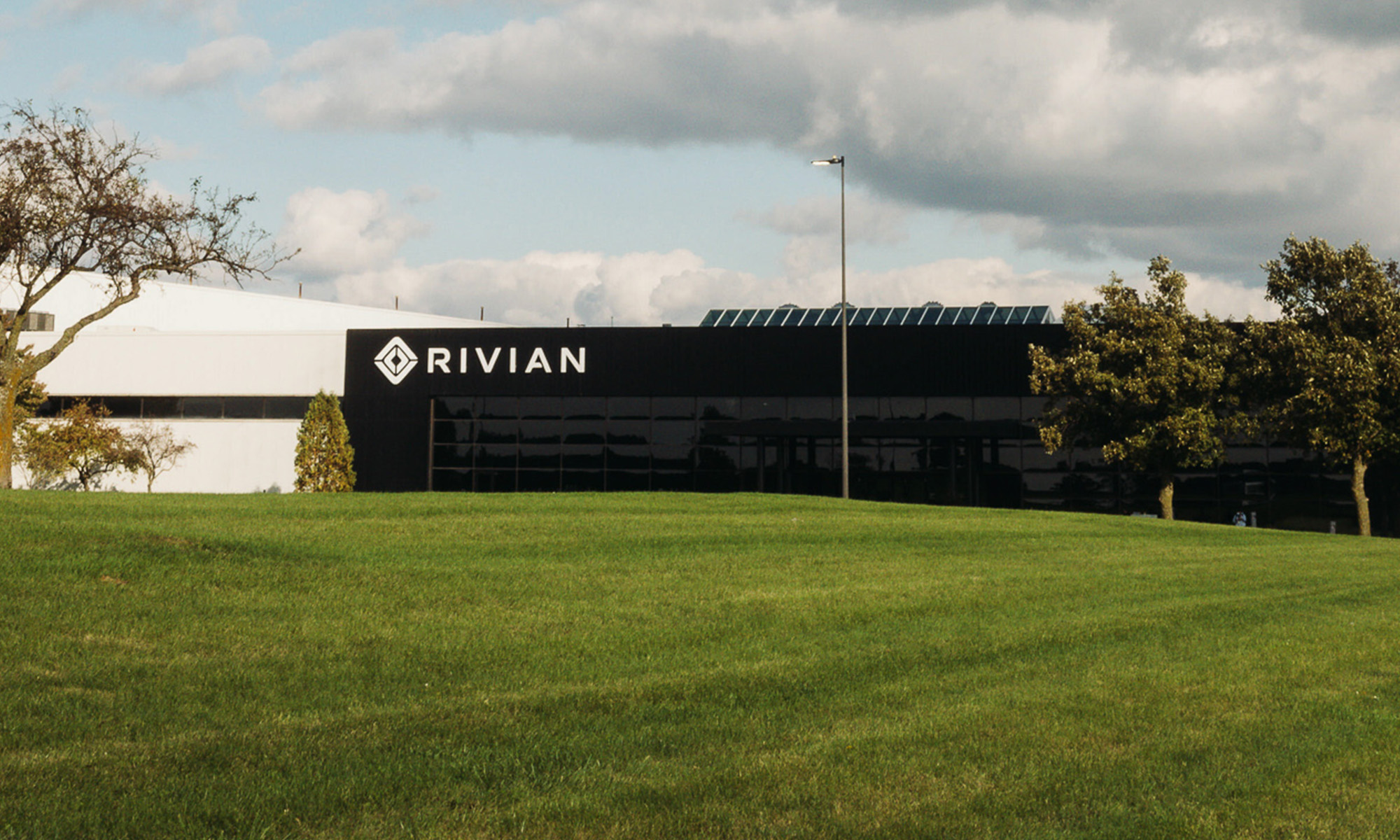
The Trump administration's aggressive tariff policy could also add another layer of protection for Rivian by making imports less competitive. The California-based company makes most of its cars at its main factory in Illinois.

NASDAQ: RIVN
Key Data Points
Is Rivian stock a buy in 2026?
For investing, numbers tend to speak louder than words. And Rivian's operational results are getting more encouraging. Despite the uncertainty in the EV industry, third-quarter revenue soared 78% year over year to $1.56 billion because of solid automotive sales and a surge in software and services revenue, which adds much-needed diversification.
Rivian has established itself as a leader in vehicle electrical and software development, which may have something to do with its start-up culture and the type of tech-related talent available in California compared to traditional automotive hubs. Reuters reports that its joint venture with Volkswagen is attracting attention from other automotive companies that are interested in incorporating its architecture into their vehicles.
Shares look like a strong buy in 2026 and beyond.