One of the major problems for Beyond Meat (BYND -4.46%) and the plant-based meat industry in general is the premium consumers must pay over standard beef. Beyond Meat's ground beef equivalent costs around $7 to $8 per pound at Walmart, and more at other retailers.
This pricing disadvantage was significant in the past, but it shrank dramatically in 2025. The smallest U.S. cattle herd in decades, combined with the impact of cattle disease and tariffs, have led to soaring beef prices. Beef prices are up around 15% over the past year.
Higher prices for beef could benefit Beyond Meat, but it's unlikely to be enough to fix all the company's problems.
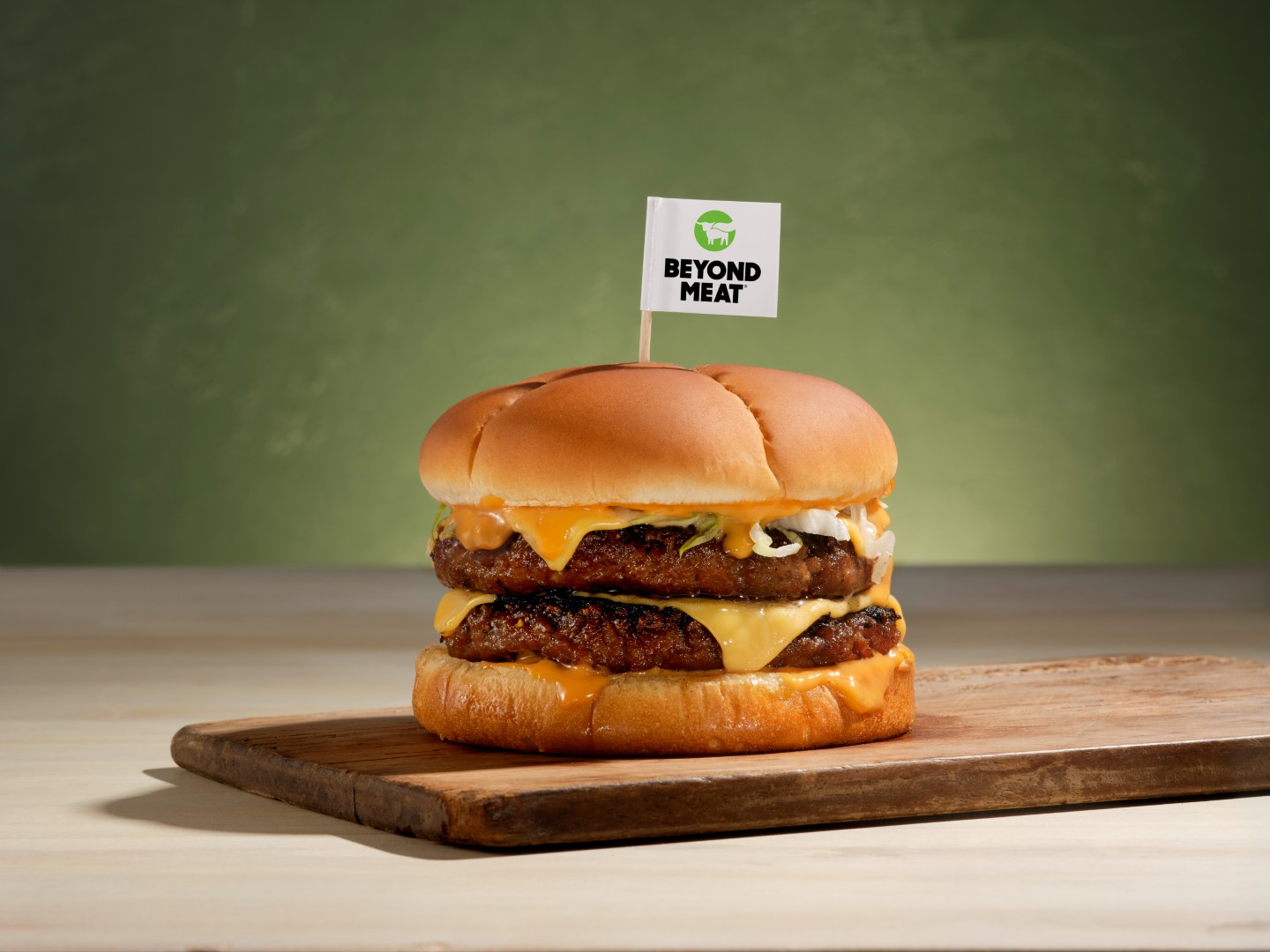
Image source: Beyond Meat.
Largely a commodity
Standard meat acts mostly like a commodity, and plant-based meat appears to follow suit. When you go to the supermarket and buy some ground beef, the brand doesn't matter all that much.
There's more room for differentiation in the plant-based meat market, since producers can use different ingredients and achieve different tastes and textures. Certainly, there are consumers who have tried multiple plant-based meat brands and developed a preference for one in particular. However, as more competition has entered the market, Beyond Meat has struggled with price deflation. The company has been forced to drop prices, a clear sign that it has no pricing power whatsoever.
In the third quarter of 2025, Beyond Meat reported a 10.3% decline in volumes, along with a 3.5% decrease in revenue per pound. Lower prices aren't boosting demand. The overall market for plant-based meat in the U.S. has been shrinking as consumers pull away, but that's only part of the problem. An explosion of competition, including various store-brand options, has laid bare the weakness of Beyond Meat's brand.
The rising price of beef could help the plant-based meat market recover to some extent, but it doesn't solve the problem of Beyond Meat having no pricing power.
There are other alternatives to beef
The rising price of beef is starting to change consumer behavior and force shoppers to opt for alternatives, but there's no reason to believe plant-based meat will benefit all that much from this trend. By and large, consumers have been willing to pay up for beef so far, and any shift has been toward chicken rather than non-meat alternatives. Tyson recently reported strong demand for chicken as the beef supply struggles to keep up with demand.
There's no indication yet that a significant number of consumers are switching to plant-based meat. Even if beef prices continue to soar, it's not clear whether the plant-based meat industry will meaningfully benefit.
BYND Beyond Meat
NASDAQ · As of 4:00 PM ET 10/16/26

A dire financial situation
Beyond Meat reduced its overall debt in November by exchanging its existing convertible debt for new convertible debt and a large number of common shares. This greatly diluted existing shareholders, although it left the balance sheet in better shape.
However, Beyond Meat is burning cash at a rate that is not sustainable. Through the first nine months of 2025, Beyond Meat reported a free cash flow loss of more than $100 million. The company could pile on more debt, but demand would likely be muted given the company's ongoing struggles.
At the end of the day, Beyond Meat offers one of many options within a contracting market. Even soaring beef prices aren't prompting consumers to switch to plant-based alternatives. With plant-based meat seemingly stuck being a niche market that's not a true alternative to standard meat, a comeback for Beyond Meat looks unlikely.