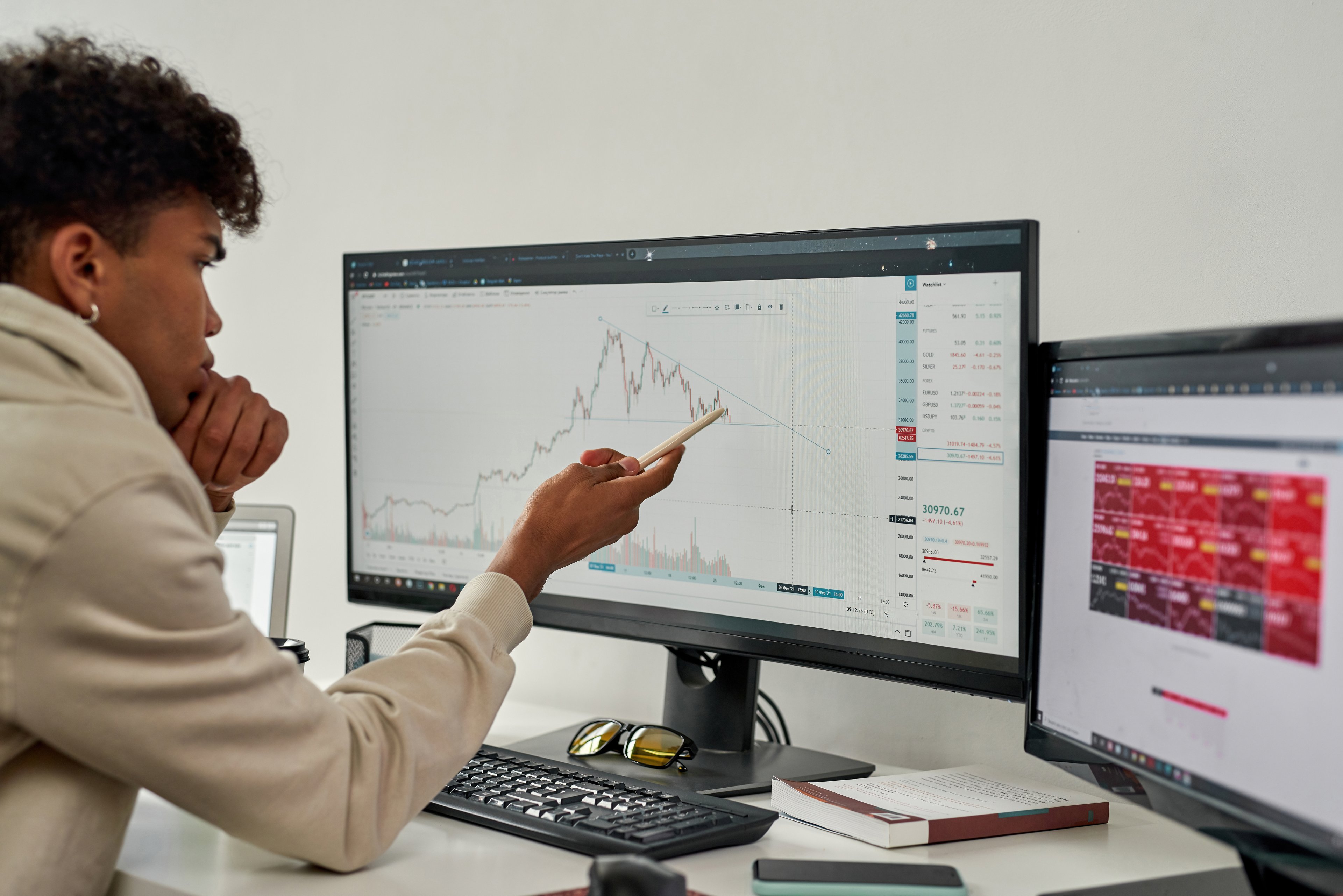
XRP (XRP 3.13%) and Bitcoin (BTC 3.05%) have both fallen dramatically recently. Bitcoin is down over 20% in the past three months. XRP has lost almost 35% in the same period. As to whether investors should be worried, a lot depends on whether the recent downturn affects your long-term rationale.

Image source: Getty Images.
Why are XRP and Bitcoin falling?
The broad reason XRP and Bitcoin are falling is that confidence is faltering, causing a broader cryptocurrency sell-off. Sentiment has a big effect on crypto prices, and investors are nervous. While the U.S. Federal Reserve did cut rates as expected in December, its hawkish tone did little to reassure the markets. Lawmakers' lack of progress on further crypto regulation also weighs on prices.
Moreover, the effects of the dramatic crash on Oct. 10 are still being felt. Per Coinglass data, around $19 billion in leveraged crypto got liquidated -- an unprecedented amount. It took a huge amount of liquidity out of the market and demonstrated just how much of crypto trading relies on borrowed funds. At the time, people labeled it a flash crash because prices seemed to rebound afterward. But it was the beginning of a slow drop that may not yet have bottomed.
Should investors be worried?
In some ways, the recent price drop is par for the course in crypto investing. If you look at Bitcoin's price history, it has always dropped significantly in the months after setting a new high. The current situation is no different: Bitcoin peaked at a record $126,080 on Oct. 6. It closed yesterday (Dec. 28) at $87,823.

CRYPTO: BTC
Key Data Points
Until now, both Bitcoin and XRP have recovered from price dips and gone on to set new highs. Even so, it can be unnerving to see your portfolio lose value, especially since past performance is no guarantee of future gains. These are two very different cryptocurrencies with separate rationales for long-term investors. Let's look at each one individually.
Bitcoin
If you bought Bitcoin because you believe it might play a role as the currency of the internet and can transform the way money works, that thesis still makes sense. Increasing stablecoin usage might erode this use case. However, it's an area where Bitcoin still has potential. Similarly, institutional demand has waned slightly, but there is still over $115 billion in spot Bitcoin ETFs, per Coinglass.
However, if you bought Bitcoin because you see it as a form of digital gold, it might be time to reconsider. In stark contrast to Bitcoin, gold has gained over 70% in the past year. Bitcoin has failed to prove itself as a safe haven asset. That doesn't mean that it won't ever act as a hedge against inflation and uncertainty -- just that it hasn't yet done so.
XRP
In some ways, XRP has a lot going for it right now. According to The Block, there are now five spot XRP ETFs with over $1 billion in assets. These new vehicles have attracted inflows even while XRP's price has faltered, demonstrating institutional interest in Ripple Labs' token.
XRP Ledger's Ethereum Virtual Machine (EVM) -- a sidechain that allows developers to use the XRP Ledger for apps based on Ethereum (ETH 6.54%) apps -- has seen some adoption since its launch in the summer. Ripple is also positioning itself as a solid partner for financial institutions looking to develop real-world asset tokenization and stablecoin solutions.
However, a lot of XRP's rally this year was driven by speculation about the end of its court battle with the Securities and Exchange Commission (SEC). The recent crypto crash hasn't helped, but XRP has been trending downward since the lawsuit finally ended in August 2025. Positive news -- such as the launch of spot XRP ETFs -- hasn't turned things around.
Long term, my biggest concern is that XRP isn't integral to Ripple's success. Ripple is a private company, and owning XRP is not the same as owning Ripple shares.
Ripple has been on an acquisition spree this year. It bought Hidden Road, a prime broker; GTreasury, a crypto corporate treasury company; and Rail, a stablecoin platform. Those acquisitions could position Ripple to play a leading role in the digital asset space, but it isn't clear what role XRP might play. That's different from, say, Ethereum, where its growth directly translates to increased utility for the Ether coin.
Look beyond the falling prices
With any investment, what matters more than short-term price action is how you believe it will perform in the future. In that respect, it doesn't make sense to lump Bitcoin and XRP in together. Make sure you understand your reasons for buying each one to know whether the recent crash changes your thinking.