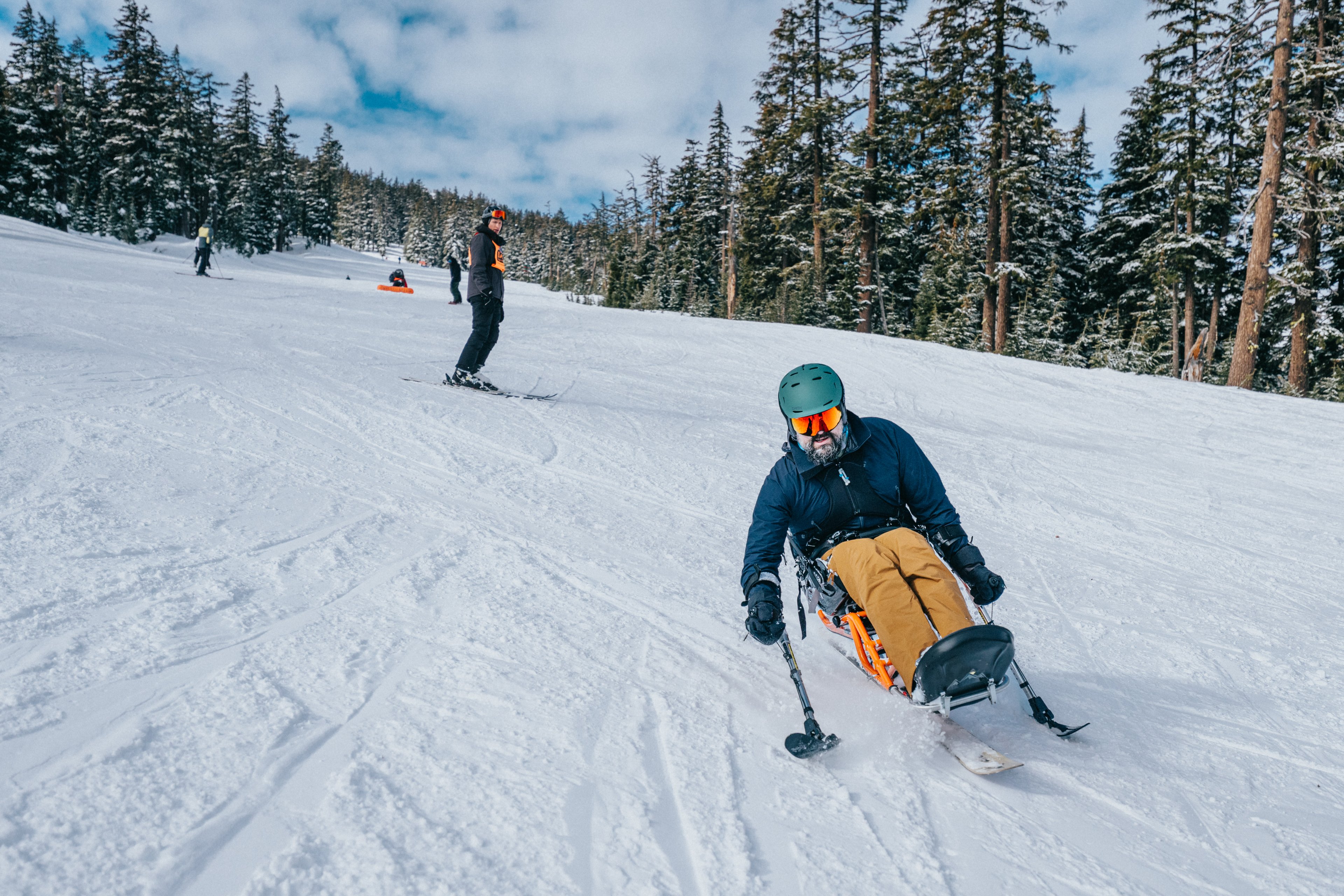
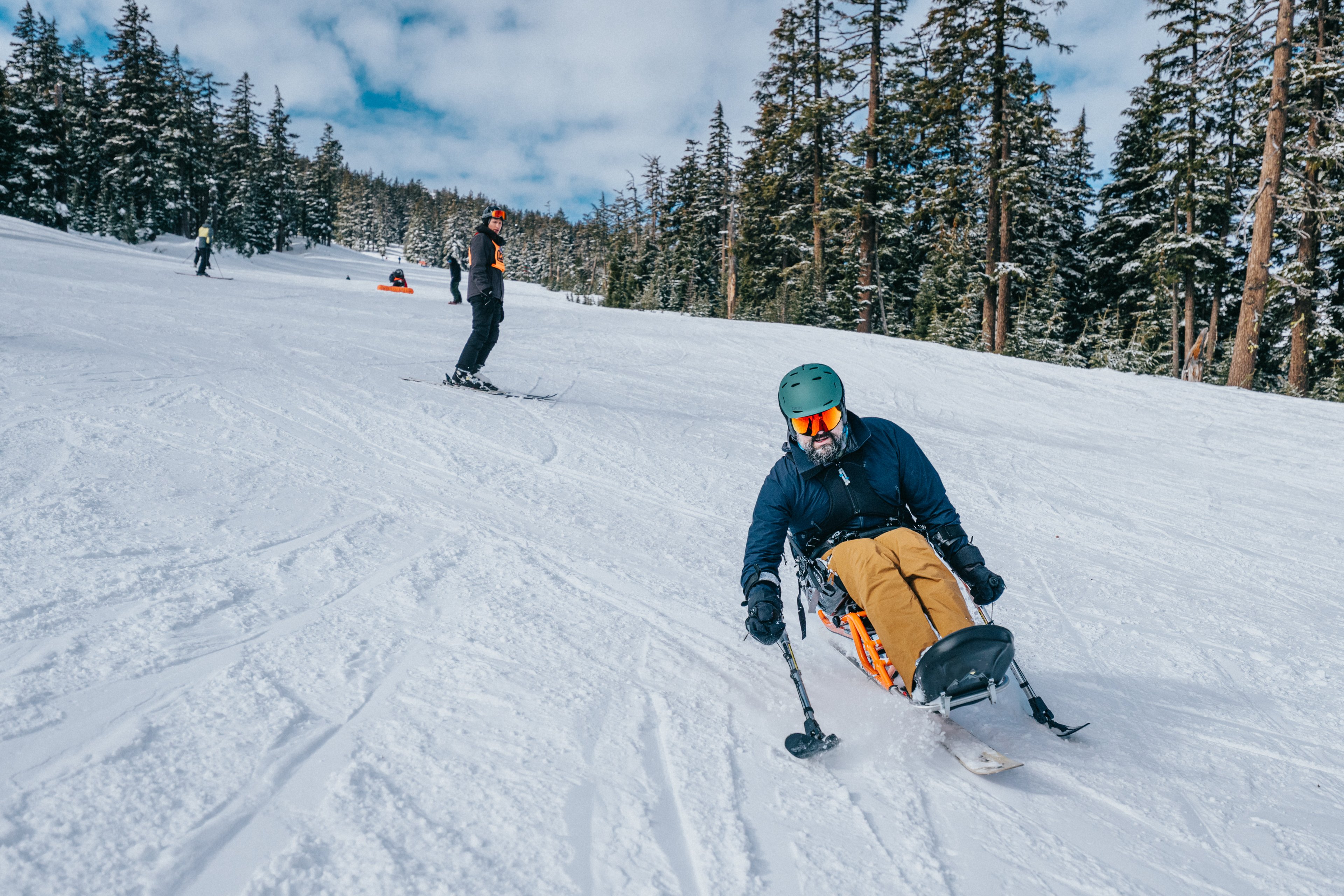
When shares of Vail Resorts (MTN +0.87%) popped last May on the news that the company was bringing back its former CEO and current executive chairman Rob Katz as CEO, investors were likely hoping that the stock's long stretch of poor performance had, at the very least, bottomed. However, with Vail's 2025/2026 pass unit sales declining slightly year over year as of the company's latest financial update, and the weather not cooperating at some of the company's most important resorts, there hasn't been much to keep investors upbeat -- and shares have resumed their slide.
Shares fell into the end of 2025, finishing near their 52-week lows for a total decline of about 29% for the year.
The stock's drawdown has likely caught the attention of dividend investors, as the stock's dividend yield now sits at an impressive 6.7%.
Is it finally time to buy into the pullback in the ski resort specialist's stock?
Image source: Getty Images.
Unimpressive business performance
Vail's recent financial performance has made it difficult to get excited about the stock. Revenue in its most recent quarter (the first quarter of fiscal 2026, ending Oct. 31, 2025) rose just 4.1% year over year to $271 million. Even worse, North American pass sales were down 2% in units and up just 3% in dollar sales year over year.
"This year's results benefited from a 7% price increase compared to the prior year, partially offset by the mix impact of passes sold," management explained in the company's fiscal first-quarter earnings release.
In other words, pass sales rose just 3% when measured in dollars despite a 7% price hike.
With all of this said, CEO Rob Katz did note in the release that the company was seeing "encouraging early momentum from our key initiatives to drive visitation during the 2025/2026 ski season, ..." But since this report on Dec. 10, weather at some of its most important resorts has been unfavorable, so some investors may have some doubts about whether this momentum has continued.
Strong free cash flow
Looking to the dividend specifically, it's worth noting that the company's trailing-12-month free cash flow of $352.2 million does cover its trailing-12-month dividend payments of $324.8 million (while still leaving some wiggle room), suggesting that Vail does seem to have the financial power to keep up its dividend. And that dividend is currently providing investors with a substantial yield of nearly 7%.
Notably, management stated in its fiscal first-quarter earnings call that one of its capital allocation priorities for fiscal 2026 is to maintain its dividend at current levels.
The company is also returning capital to shareholders through share repurchases. Specifically, Vail spent $25 million buying back its stock in fiscal Q1.

NYSE: MTN
Key Data Points
A questionable valuation
Interestingly, even after the stock's 29% slide over the past year, shares aren't necessarily cheap. The stock still commands a forward price-to-earnings of 18.3. Of course, shares look a little cheaper on a price-to-free cash flow basis; by this measure, the stock's valuation multiple is 13.5.
But I'd argue that, given its anemic top-line trends, risks of weather trends remaining unfavorable for an extended period of time, and a highly leveraged balance sheet, investors should demand a low valuation multiple from the stock before they buy.
Looking closer at the company's balance sheet, investors will find that the company has net debt of about $2.6 billion. For a company generating only about $350 million in free cash flow, this is a substantial figure.
Indeed, I'd argue that there's a risk that the company's dividend payout is reduced or even suspended at some point in the future. With that said, management did say that it is committed to its dividend for fiscal 2026, so if the dividend is ever reduced or suspended, I don't think it will be during the current fiscal year.
Further, it's always possible that some of Vail's risks moderate and business trends accelerate. For instance, the weather could improve and bolster pass demand. Further, the company's efforts to accelerate its business with reinvigorated marketing could pay off in a strong recovery in Vail's business. If positive outcomes like these surface, Vail's dividend could become less risky and even increase in the coming years.
Overall, however, I think the risk-reward profile for Vail stock isn't attractive at the current valuation. If the shares fell 10% to 20% more, I might reconsider my decision.