The furniture industry just got a bit of breathing room on the tariff front. On Dec. 31, the White House said it would delay a planned increase in tariff rates for upholstered furniture, kitchen cabinets, and vanities that was scheduled to take effect on Jan. 1, 2026, while leaving the current 25% tariff in place.
Shares of RH (RH 1.13%) and other furniture companies rose on the news. Tariff uncertainty has been one more weight on an already choppy backdrop for the luxury furniture specialist. The company has been up against "the worst housing market in almost 50 years," RH CEO Gary Friedman told investors in the company's third-quarter update.
Despite the challenges it has faced, RH has returned to top-line growth and is reporting substantial free cash flow. In addition, it has been investing heavily in a global expansion it hopes will dramatically expand its addressable market.
Combining this positive news about tariffs with RH's recent business momentum and a stock that is still beaten down from previous highs, it's a good time to look at the stock.

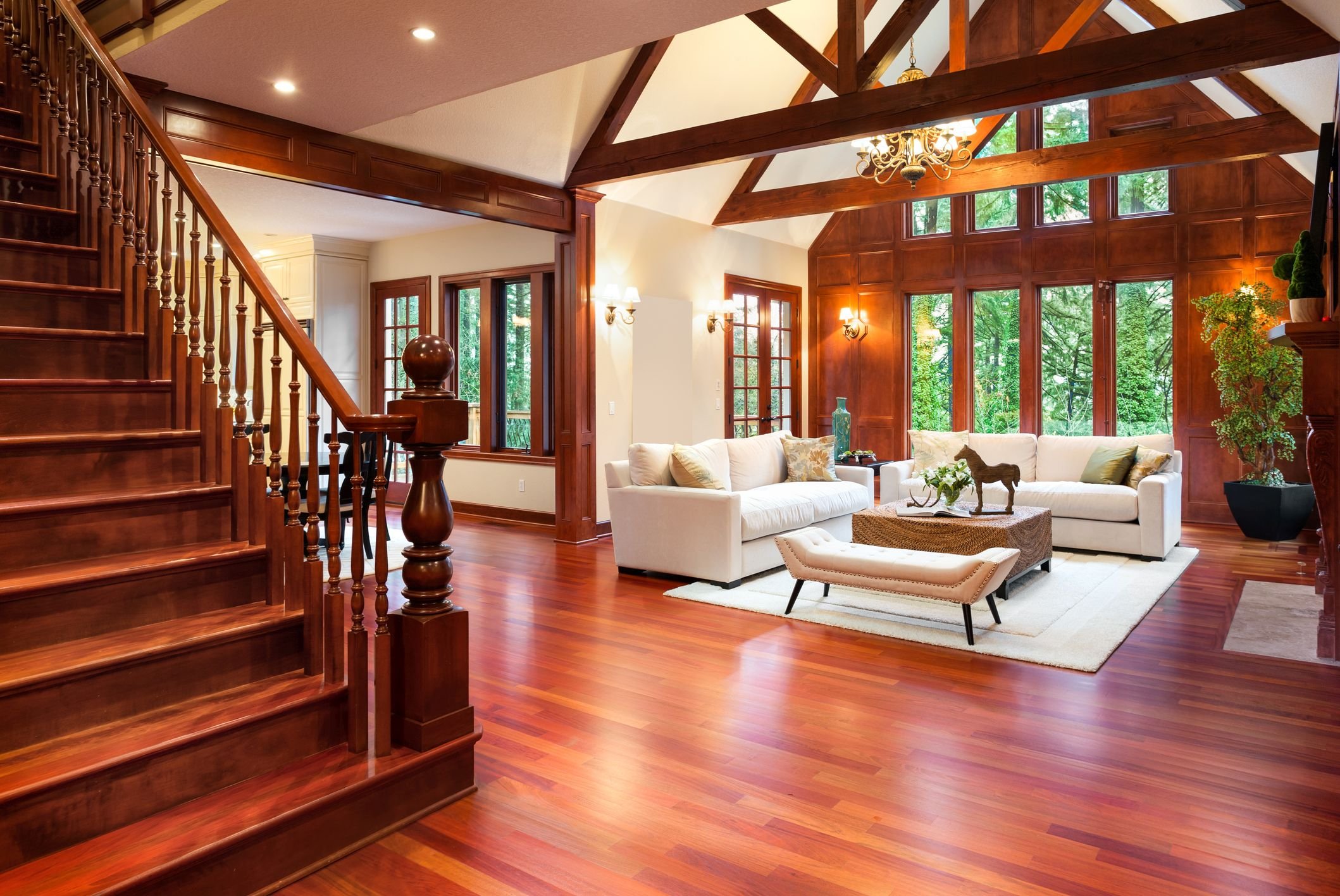
Image source: Getty Images.
Uncertainty is the real issue
Tariffs have been damaging to RH's business in more ways than one. Yes, they hurt margins. But the volatile tariff environment has also led to significant uncertainty for management and its customers. Putting the volatile environment into perspective, Friedman noted in the company's most recent quarterly update that there have been "16 different tariff announcements over the past 10 months that have resulted in significant resourcing, product delays, out of stocks, and driven multiple rounds of price negotiations and increases."
While the White House didn't eliminate tariffs, it did delay a big step-up in tariffs. This will not only save RH money, but it will also help it plan its marketing and sourcing with a little more confidence.
Meanwhile, the company has been doing its best to address tariff challenges head-on by shifting sourcing away from China and implementing other measures to reduce its exposure to tariffs.
Robust free cash flow
The best reason RH stock looks more interesting today, however, is not the tariff delay -- it is the company's recent cash generation.
Helped by 9% revenue growth in its most recent quarter, RH's third-quarter free cash flow came in at $83 million, bringing year-to-date free cash flow to $198 million. Management also reiterated a full-year free-cash-flow outlook of $250 million to $300 million. For a company with a market capitalization of $3.6 billion, this is substantial.
Not only does strong free cash flow during a difficult housing market highlight the resilience of RH's business, but it also suggests the company should have no problem paying down its debt in the coming years -- and it has a lot of it. RH ended the third quarter with net debt of about $2.4 billion.
International expansion
But strong free cash flow isn't the only reason to be upbeat about RH. The company's international expansion also looks promising.
The company opened RH England in 2023 and expanded to Paris in 2025. Even more, the company positioned these locations as more than stores -- they are immaculate, immersive brand statements designed to build awareness and drive demand for its nascent design services business. RH believes these stores will make a lasting statement about its brand and establish RH as a global brand.
The company has also laid out plans for additional European galleries, including openings in London and Milan in 2026.
Importantly, RH is telling investors to expect near-term financial drag from this strategy. In the third-quarter outlook, management said its guidance included roughly a 200-basis-point operating-margin impact from investments and start-up costs tied to international expansion.
But if RH succeeds in building a durable luxury brand overseas, today's stock price could look cheap in hindsight.
Is RH stock a buy?
Overall, shares look attractive at a valuation of 13 times the midpoint of management's full-year 2025 free cash flow guidance. But given the stock's debt levels and the unpredictable nature of both housing and furniture markets, investors should keep in mind that there are risks.
Additionally, it may make sense for investors who do buy shares to keep their positions small, given how volatile furniture sales have proven to be in recent years. While RH's sales could surge higher if the housing market picks back up, uncertainty in the housing market could also send luxury furniture sales sharply lower.
The tariff delay is undoubtedly a positive development for RH. It reduces tariff uncertainty and gives management more visibility. But the real reason to be excited about RH stock is its free cash flow and international expansion.