Tesla (TSLA 0.99%) and Boeing (BA 1.56%) are iconic companies facing a pivotal year. Both are going into the new year with high hopes of emerging from 2026 having settled crucial questions about their futures.
Moreover, given their importance to their respective industries, what happens to them will dictate the reality for whole swaths of the transportation market. Here's why.
Tesla and the year of the robotaxi
Tesla CEO Elon Musk is preparing the company to begin mass production of its dedicated Cybercab in April. Moreover, as stated on the third-quarter earnings call in October, when discussing production plans for 2026, the company's single biggest expansion in production will be for the Cybercab, which starts in the second quarter.

NASDAQ: TSLA
Key Data Points
Investors will likely worry about scaling up production because the company has not yet received approval for unsupervised robotaxis anywhere. It's a valid concern, as Cybercabs won't have steering wheels, side-view mirrors, or pedals, so they won't have any value if Tesla doesn't receive the necessary approvals.
Musk was asked about the matter at the Tesla annual general meeting, and he replied: "Yeah, I think the rate at which we receive regulatory approval will roughly match the rate of Cybercab production. It will be maybe a little tight, but it's about right." He went on to say, "We'll be able to deploy all the Cybercabs that we produce."
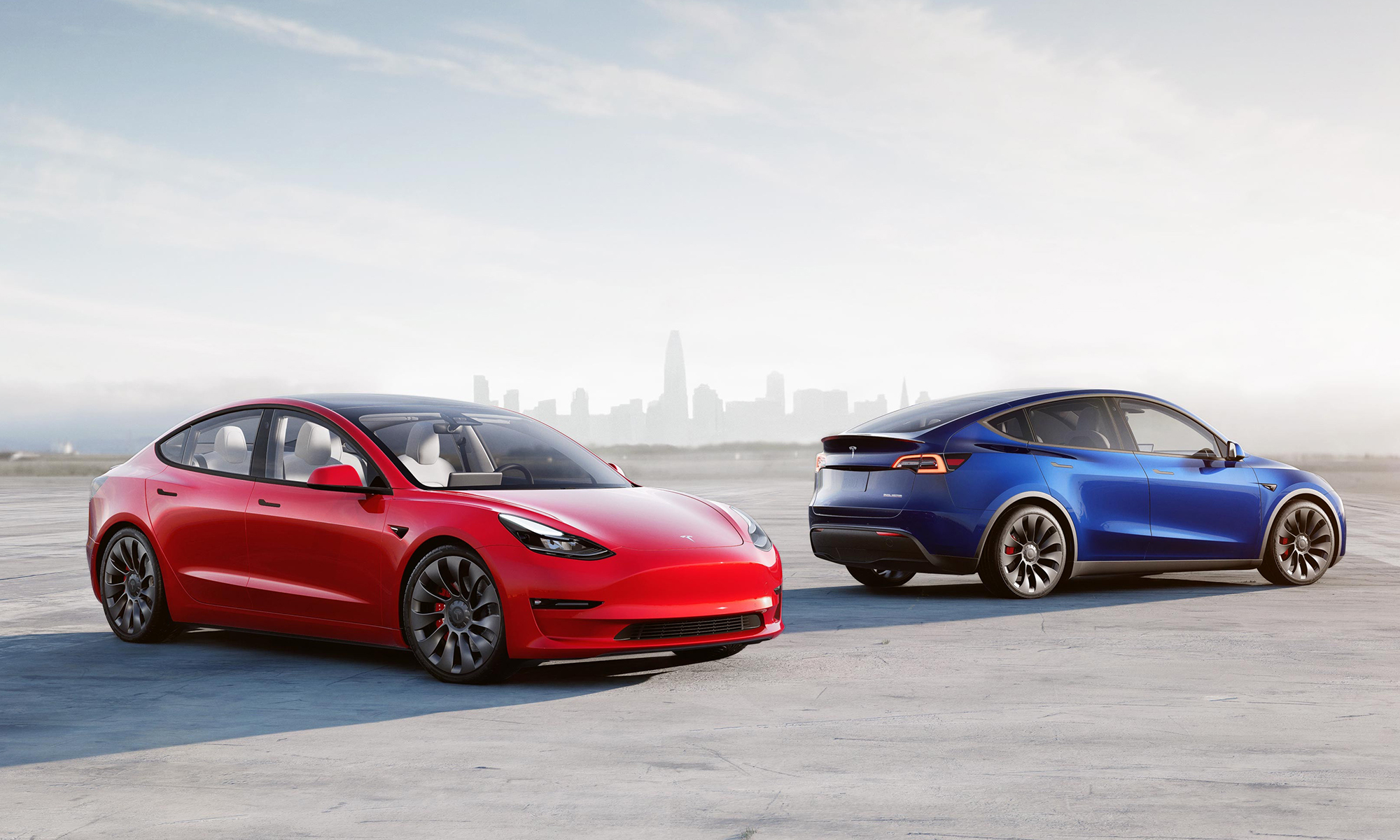
Image source: Tesla.
Risks and rewards are rising
Musk is often criticized for being overly optimistic about timelines, but this is no longer a matter of words; Tesla's electric vehicle (EV) capital spending and production plans are now being managed with regulatory assumptions in mind.
That ultimately raises the risk-reward profile for the stock. The downside of producing Cybercabs without an end market as yet is obvious, but investors should also consider the importance of Tesla ensuring it has Cybercabs ready should approvals be granted.
Where next for Tesla in 2026
Ultimately, it's reasonable for Tesla investors to expect some volatility in the first half of 2026, down to a combination of two factors: a potential sales decline following the expiration of federal EV tax credits in the U.S. at the end of September, and the wait for any piece of news on regulatory approvals for the Cybercab.
Still, thinking longer term, unsupervised robotaxi approvals and a move toward a commercial launch are likely to fundamentally change the way consumers think about mobility, not least if Tesla can achieve a cost of $0.20 per mile for the robotaxi.
If that happens, it could unlock a huge amount of earnings potential for Tesla, but it also will disrupt the type of car automakers need to make to be relevant. It's definitely something for investors to watch in 2026.
It's time for Boeing to step up
Boeing CEO Kelly Ortberg is clear that his priority is to put the aerospace company in a financial position that allows it to eventually develop the next generation of narrow-body aircraft to replace the 737 MAX. To achieve this, Boeing will need to reduce its debt load and convert the cash outflows in 2024 and 2025 into cash flow generation in 2026 and beyond.

NYSE: BA
Key Data Points
In turn, that will require two key things this year, in order of importance:
- Ramping up production of the 737 MAX and starting delivery on the multiyear backlog of orders.
- Growing profit margins in Boeing's defense, space, and security segment from the low single digits in 2025, mainly by avoiding costly charges and cost overruns on problematic fixed-price development contracts.
Achieving the latter would be a major step toward convincing the market that the issue of margin pressure from such defense programs isn't a structural issue likely to dog defense contractors over the long term.

Image source: Boeing.
As for the 737 MAX delivery ramp-up, management plans to increase the production rate by five units per month in six-month increments. Ortberg planned for Boeing to build 42 aircraft per month by the end of 2025, then increase to 47 by the middle of 2026, and to 52 by the end of the year.
This is a crucial development because it's Boeing's most important business, and increasing production is how the company traditionally grows margins and ultimately cash flow. It's also a crucial event for its suppliers and the broader aerospace industry.
It would also keep shareholders happy and support the stock and the company as Ortberg prepares Boeing for the next generation of narrow-body production.