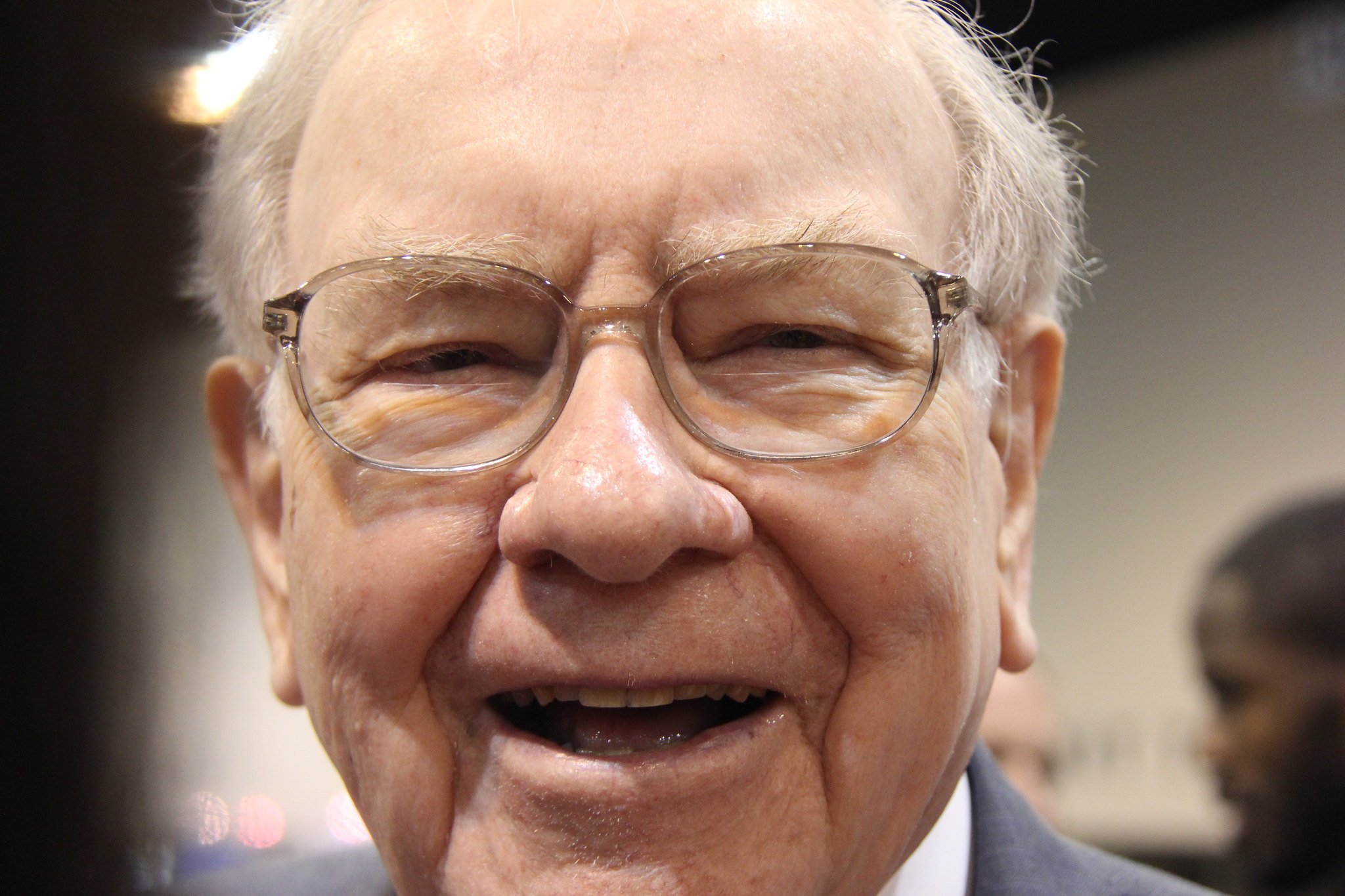
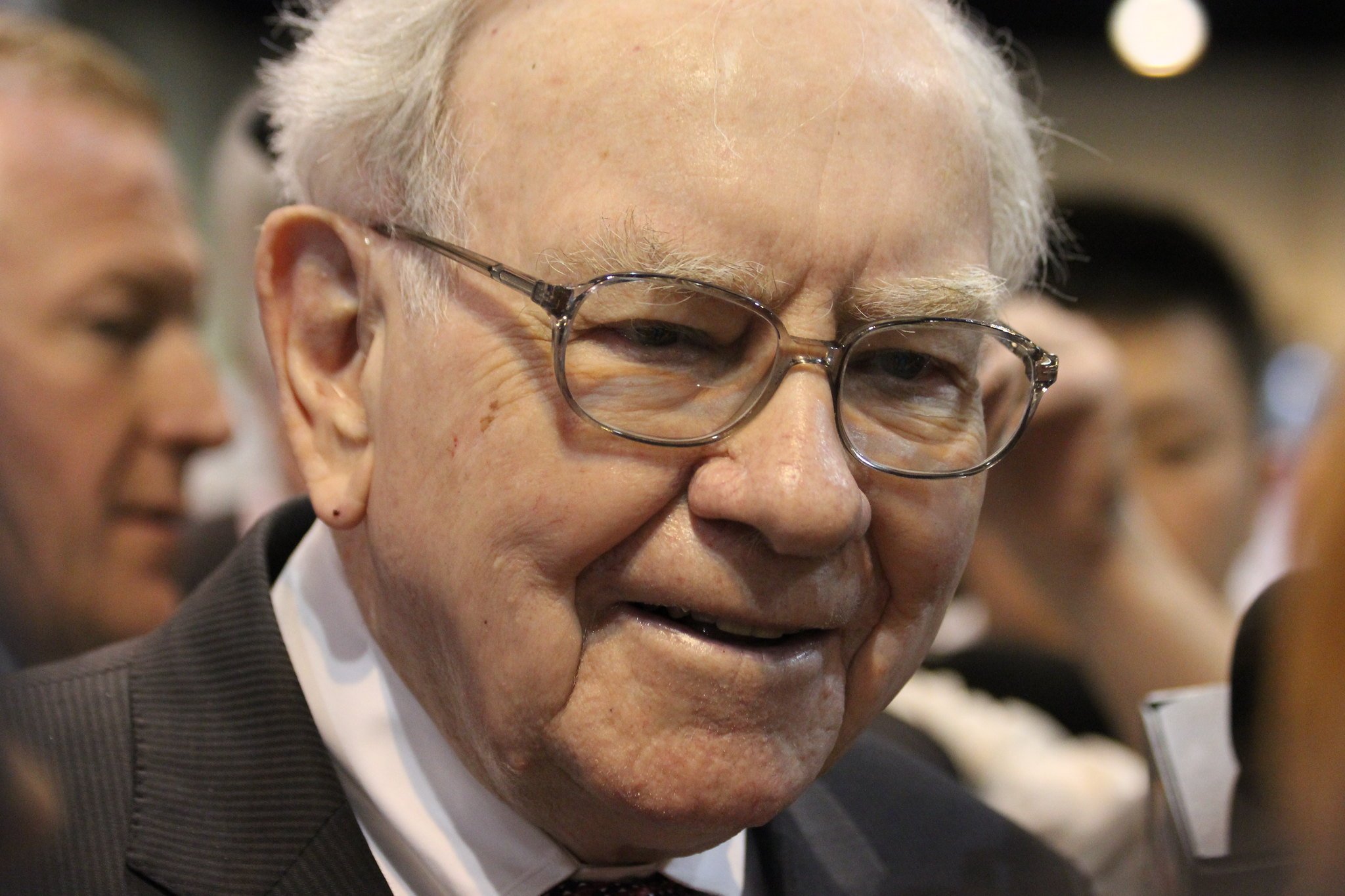
At the end of 2025, Warren Buffett stepped down as the CEO of Berkshire Hathaway (BRK.A 0.40%) (BRK.B 0.53%) and handed the reins to Greg Abel. Buffett's retirement wasn't surprising, given that he turned 95 last August and had led the company for the past six decades, but it caused many investors to question the conglomerate's future.
They also likely fretted over the future of Berkshire's massive stock portfolio, which is worth $317 billion and equivalent to 29% of its market capitalization of $1.08 trillion. That portfolio includes dozens of Buffett's personal stock picks, and many investors mirror those trades.
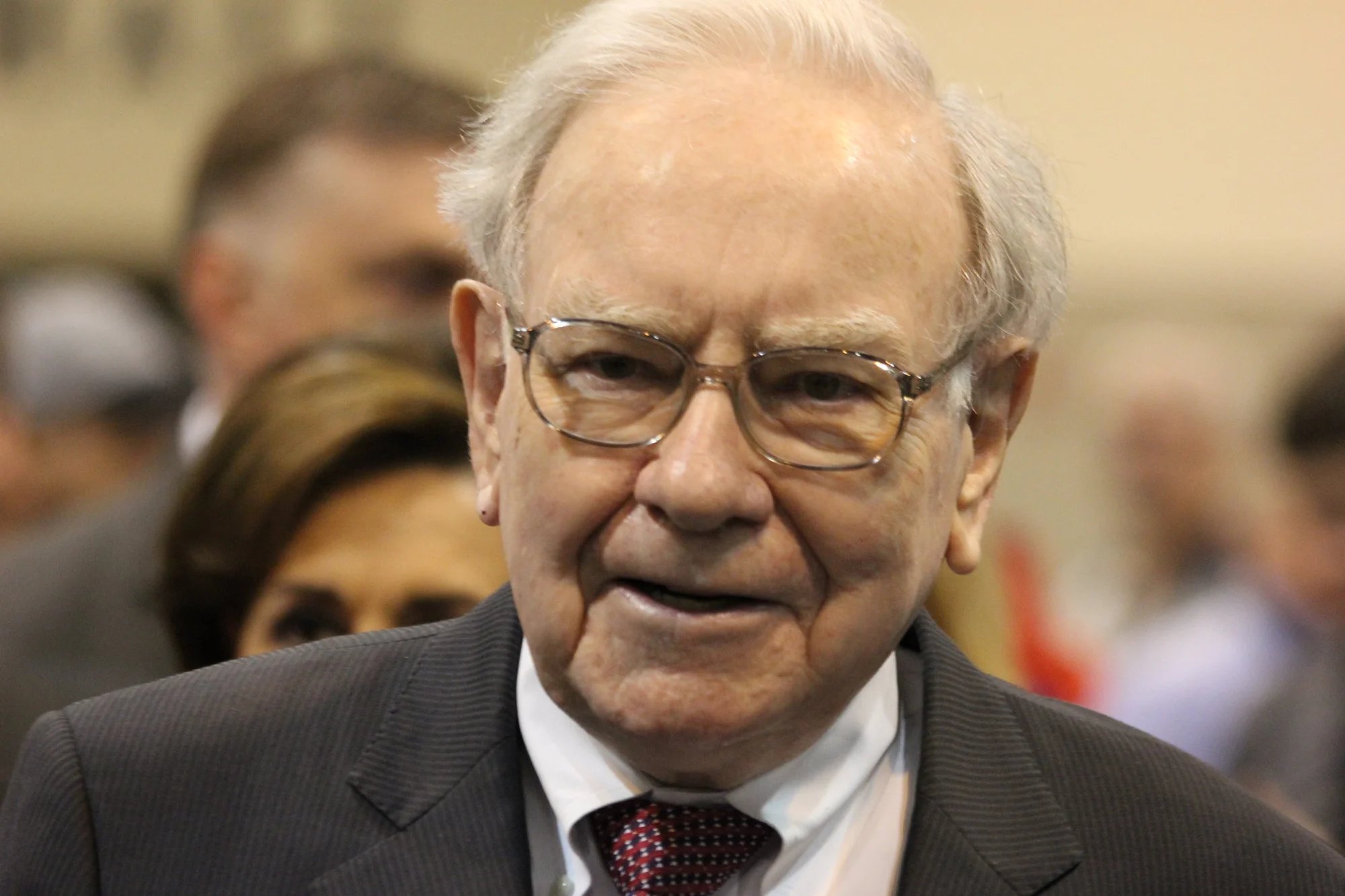
Image source: Getty Images.
If you're worried about how Berkshire will fare without Buffett at the helm, it might be smarter to simply stick with some of his top stock picks instead of Berkshire's stock. Here are three of those evergreen stocks that are still worth buying and holding for the long haul: Coca-Cola (KO 0.44%), American Express (AXP 1.39%), and Moody's (MCO 0.27%).
Coca-Cola
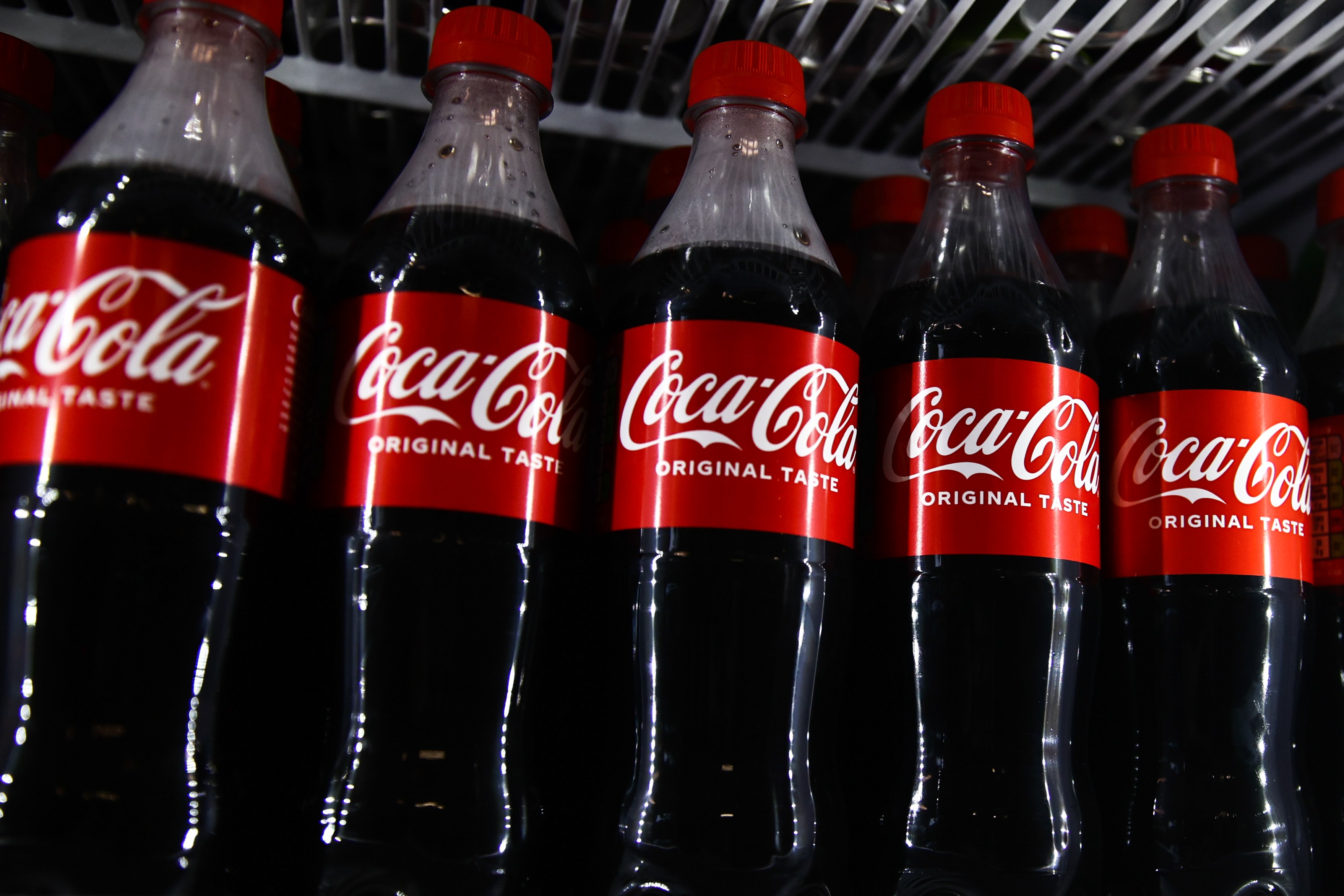
Berkshire began accumulating shares of Coca-Cola in 1988 and now owns 400 million shares of the beverage giant. That stake is worth $27.1 billion and accounts for 8.6% of its portfolio.
Coca-Cola may seem like a risky investment, given that soda consumption rates are declining worldwide. Still, the company has diversified its portfolio with additional brands of bottled water, fruit juices, teas, sports drinks, energy drinks, coffee, and even alcoholic beverages to offset this pressure. It also updated its classic sodas with new flavors, sugar-free versions, and smaller serving sizes.

NYSE: KO
Key Data Points
Coca-Cola only sells concentrated syrups to independent bottlers, which produce and sell the finished beverages. That capital-light model enables it to generate stable profits and support its dividend, which it has raised annually for 63 consecutive years. It currently pays a forward dividend yield of 3%, and it still looks reasonably valued at 21 times forward earnings.
For 2025, Coca-Cola expects its organic revenue to increase by 5%-6%, as its comparable EPS rises by 3%. That stable growth makes it a reliable stock to buy, hold, and forget.
American Express
Buffett initially invested in American Express in 1964 (before his takeover of Berkshire Hathaway in 1965), and he significantly increased Berkshire's stake in the company in 1991. Today, Berkshire owns 151.6 million shares of American Express. That stake is worth $58.5 billion and accounts for 18.4% of its portfolio.
American Express is often considered a credit card company, similar to Visa (V 0.47%) and Mastercard (MA 0.07%), but it operates under a distinct business model. Visa and Mastercard rely on banks to issue their co-branded cards, and those partners are responsible for handling the actual accounts. American Express operates its own bank and issues its own cards.

NYSE: AXP
Key Data Points
That strategy might seem riskier, but it enables American Express to carefully screen its applicants and issue its cards only to individuals with higher incomes. If interest rates are high, its banking segment can generate higher net interest income. If interest rates are low and consumer spending rises, it can create higher swipe fee revenues from its credit cards.
That balance insulates the company from interest rate swings and other macro headwinds. Analysts expect its EPS to rise by 9% in 2025 and 15% in 2026, and it remains relatively affordable at 22 times forward earnings. It also pays a forward yield of 0.9%.
Moody's
Berkshire invested in Moody's -- one of the largest providers of financial data, analytics, and credit rating services in America -- in 2000. It now owns 24.7 million shares of the company, which is valued at $13.1 billion and accounts for 4.1% of its portfolio. Moody's shares a near duopoly in its financial data market with S&P Global (SPGI 0.40%), and both companies serve a wide range of businesses and financial institutions.

NYSE: MCO
Key Data Points
Moody's can thrive in both bull and bear markets, since its customers rely on its services to make informed financial decisions regardless of the market's direction. It faced some headwinds in 2022 and 2023 as rising interest rates throttled the market's demand for its credit rating services (used to approve new debt offerings), but that business stabilized as the Fed cut its benchmark rates six times in 2024 and 2025. It has also been upgrading its platform with new AI features to process more financial data and make more informed, data-driven decisions.
Analysts expect Moody's EPS to rise 18% in 2025 and 11% in 2026 as interest rates continue to decline. It might not seem like a bargain at 30 times forward earnings, and its forward yield of 0.7% won't attract any serious income investors. Still, it should generate stable returns as long as businesses and big investors need quick access to real-time financial data.