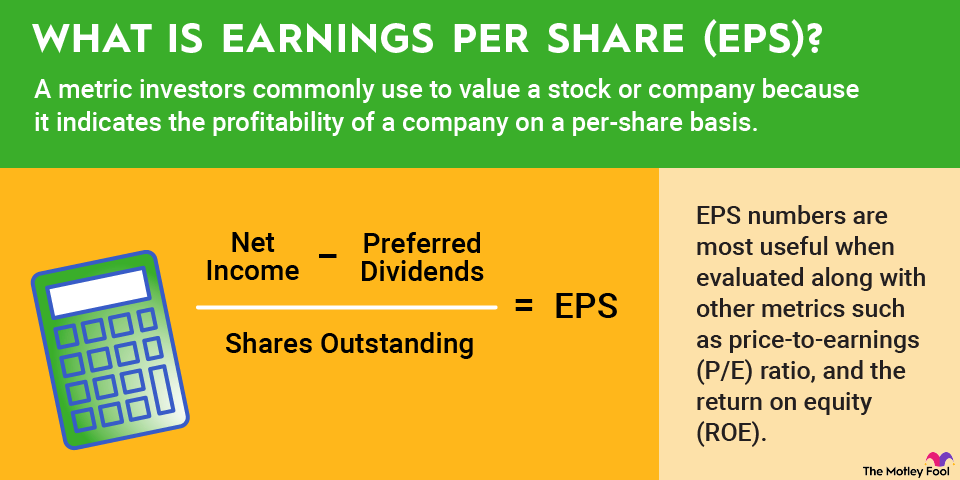
Loading paragraph...
Loading image...
Loading paragraph...
Loading paragraph...
Loading definition...
Loading paragraph...
Loading definition...
Loading paragraph...
Loading hub_pages...
Loading paragraph...
About the Author

Scott Levine is a contributing Motley Fool stock market analyst covering energy, industrials, technology, and materials. He is also a high school English teacher and a small business owner. He holds a bachelor’s degree in English and creative writing from Binghamton University, a master’s degree in secondary education from Adelphi University, and an advanced certificate in school building leadership from CUNY Queens College. A crossword puzzle enthusiast, he has solved more than 3,100 New York Times puzzles with a 97% solve rate.
Scott Levine has no position in any of the stocks mentioned. The Motley Fool has positions in and recommends Netflix. The Motley Fool has a disclosure policy.