Shares of Constellation Energy (CEG 2.35%) rallied 57.9% in 2025, according to data from S&P Global Market Intelligence.
As the owner of the largest nuclear power fleet in the U.S., Constellation has become a key player in the artificial intelligence buildout. Estimates for electricity demand increased substantially in 2025, reviving demand for the always-available, carbon-free electricity provided by nuclear power.
2025 brought even more positives for Constellation, including the announcement of a blockbuster acquisition, a second major 20-year power purchase deal with a Magnificent Seven AI giant, and lowered regulatory hurdles from the Trump Administration.

NASDAQ: CEG
Key Data Points
A major acquisition announcement and closing bookend a strong year
Almost exactly one year ago, on January 10, 2025, Constellation announced the acquisition of Calpine, a major power producer primarily consisting of natural gas and geothermal assets, from private equity firm Energy Capital Partners. The cash-and-stock deal amounted to a total equity value of $16.4 billion and an enterprise value of $26.6 billion, when factoring in assumed debt, cash, and tax attributes.
Constellation was already the largest nuclear power provider in the U.S., and Calpine will add a leading fleet of natural gas and geothermal power assets, along with some solar and battery storage assets. Most new power production additions today are in the form of wind and solar, which are zero-carbon but intermittent power sources. Therefore, existing nuclear and geothermal assets are becoming more valuable, as zero-carbon, 24/7 power sources are needed to power always-on AI data centers. Additionally, the deal appears to acknowledge that natural gas, with its lower carbon footprint compared to older coal power, will remain a key power source in the upcoming electricity demand boom.
Speaking of that boom, 2025 also saw a significant increase in projected U.S. electricity demand. For the ERCOT and PJM utility interconnect regions, 2035 peak electricity load projections increased by a whopping 81% and 31%, respectively, over the same estimates over the prior year.
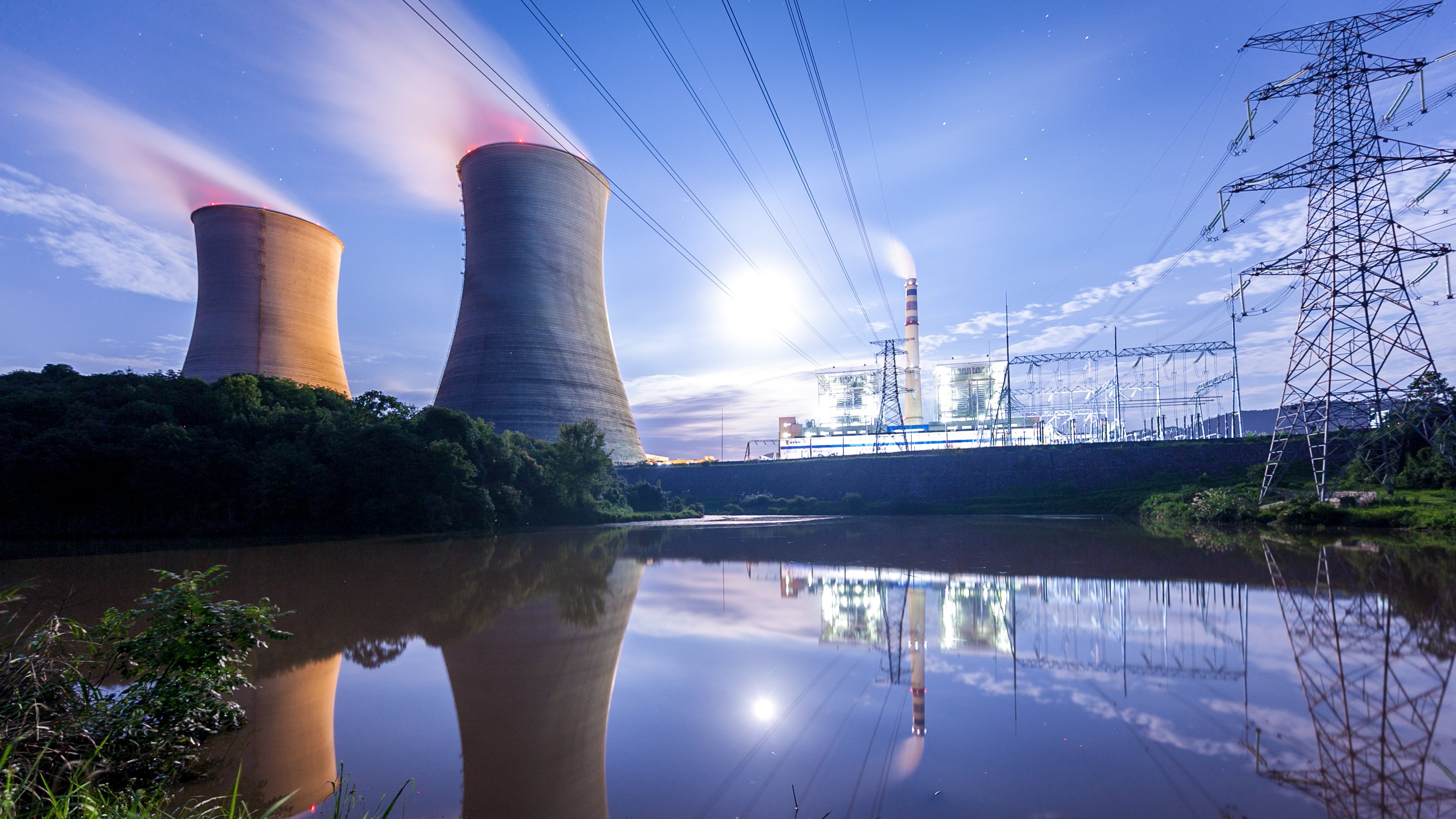
Image source: Getty Images.
The renewed enthusiasm led some Wall Street analysts to upgrade their targets for utility and power generation stocks generally, and Constellation specifically. In October, one analyst from Wells Fargo named Constellation his top pick in the independent power producer (IPP) space, stating electricity demand growth is "not a fad" and that the sector is evolving to a steady growth-oriented profile.
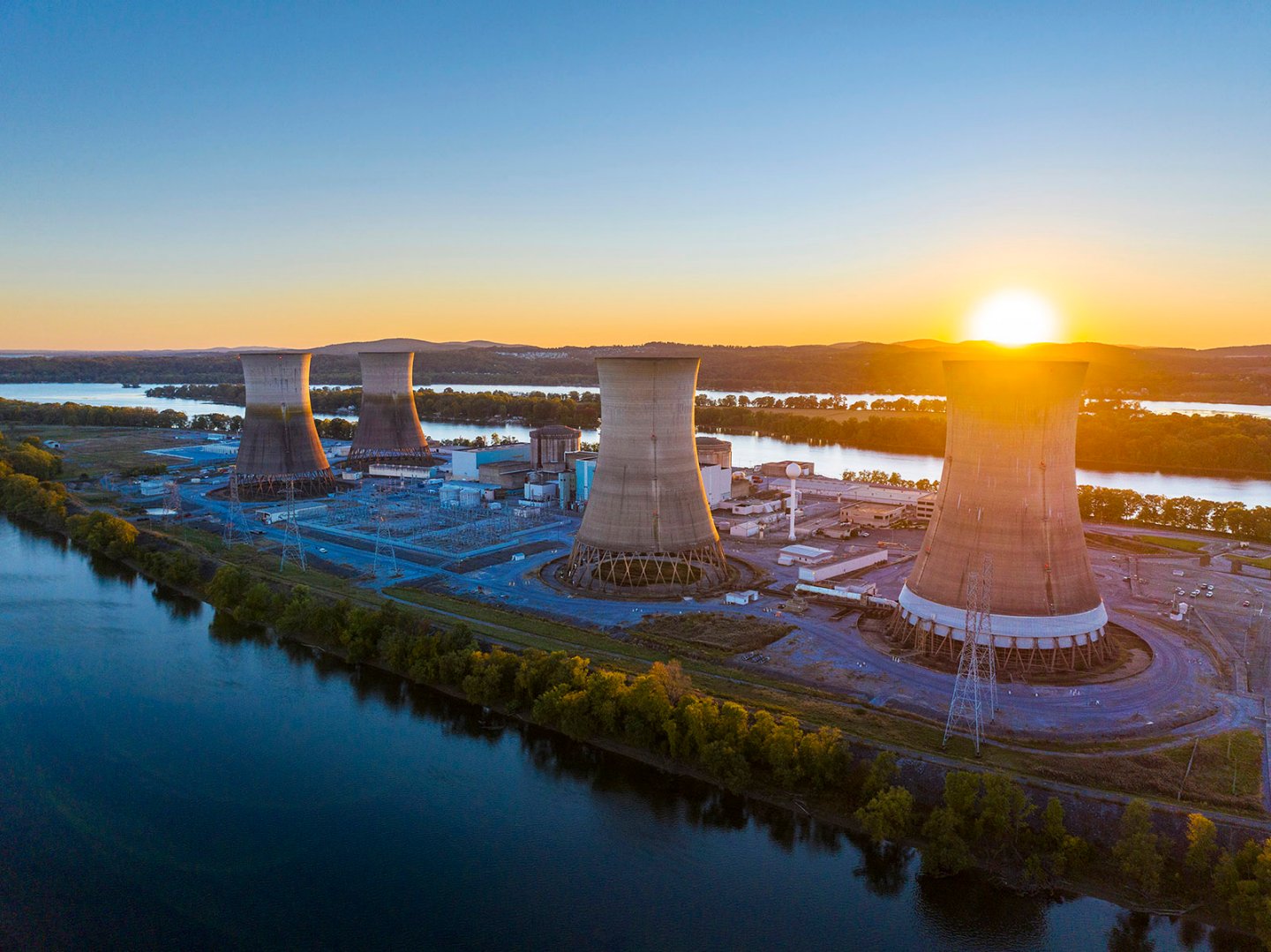
To help speed along the energy infrastructure build-out, the Trump Administration also extended a helping hand. In October, the Administration formally directed FERC (Federal Energy Regulatory Commission) to expedite permitting reviews to connect with AI data centers. On that note, in September, Constellation disclosed its restart of Three Mile Island Unit 1, now named the Crane Clean Energy Center, is ahead of schedule. In November, Constellation also received a $1 billion Department of Energy loan toward that reopening effort.
Constellation had inked a 20-year power purchase agreement with Microsoft in 2024 to restart that unit, which was initially scheduled to come back online in 2028. But thanks to the more friendly regulatory environment, Constellation now sees the restart in mid-2027.
Piggybacking on the Microsoft deal from 2024, Constellation also inked another 20-year agreement with Meta Platforms (META 2.95%) in June. The agreement will see Meta buy the entire 1.1 gigawatt (GW) output of Constellation's Illinois Clinton Clean Energy Center nuclear reactor, beginning in June 2027.
The Calpine deal just closed
Constellation's acquisition of Calpine just closed on Jan. 7, 2026, almost exactly a year after it was announced. Although Constellation had to divest six power plants to get the deal approved by regulatory bodies, its new footprint will be massive, encompassing 21 nuclear reactors and over 50 natural gas plants, along with hydroelectric dams, geothermal assets, and a smaller mix of wind, solar, and battery storage assets.
At the time of the deal, management projected the addition of Calpine would lead to a 20% increase in adjusted earnings per share for 2026, followed by at least another $2.00 per share increase in earnings by 2029. Given the recent closing, investors will now have the opportunity to assess whether Constellation lives up to that bullish guidance.