The moment many investors were dreading arrived just days ago: Investing legend Warren Buffett retired as of Dec. 31, ending a 60-year reign as chief executive officer of Berkshire Hathaway. During his time in that position, he led investment decisions, and his work helped Berkshire to outperform the S&P 500. Over the years, Berkshire delivered a compounded annual gain of about 20%, while the S&P 500 generated a 10% such increase.
Meanwhile, with each letter to shareholders, Buffett offered investors details regarding his strategy as well as valuable words of advice. And investors could count on additional thoughts from the billionaire throughout the years at shareholders' meetings, as well as through interviews with the press.
So, it's no surprise that investors, eager to hear the latest thoughts of such a successful investment professional, were sad to see Buffett step away. But I have some good news: You still may continue to benefit from Buffett's investing wisdom in 2026. Here are three simple ways to keep Buffett in your investing life.
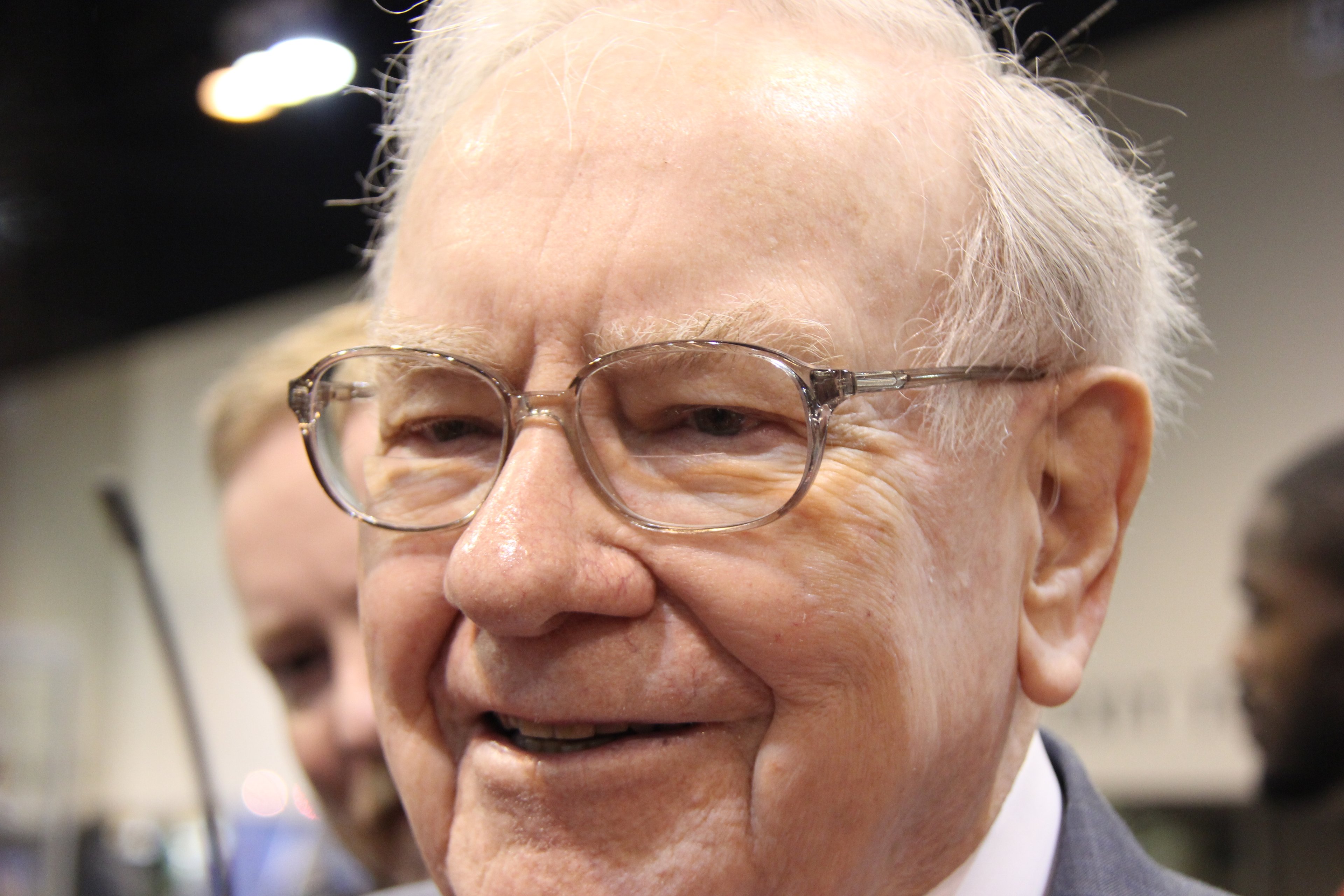
Image source: The Motley Fool.
1. Apply Buffett's investing principles
Buffett, as mentioned, remained at the helm of Berkshire Hathaway for six decades, and during that time, one thing didn't change. The billionaire always stuck by his investing principles. He never surprised investors by shifting to a new way of investing, and instead, proceeded in the same manner over the years, through bull and bear markets.
So, even if Buffett no longer is directing Berkshire's investment decisions, it's clear that he still stands by the following: When investing, look for quality companies with strong moats, or competitive advantages, buy them for cheap or reasonable prices, and don't let them go. Considering Buffett's loyalty to these ideas, it's likely that he would continue following them if he were to continue as Berkshire CEO.
And that means if you incorporate these points into your own investing strategy for 2026, you should continue benefiting from Buffett's wisdom well into the future.
2. Watch Berkshire Hathaway's moves
As of Jan. 1, Buffett handed the CEO reins over to Greg Abel, who was previously Berkshire's vice chairman for non-insurance operations. Buffett hand-picked Abel for the job and has repeatedly praised his successor. And Buffett puts his money where his mouth is, saying he wouldn't sell any of his Berkshire Hathaway shares as Abel takes on leadership.
Meanwhile, during the last shareholders' meeting in May, Abel said capital allocation and strategy will remain the same under his leadership.
All of this suggests that, when Berkshire buys or sells a particular stock, we may see the move as one Buffett himself might have made if he were still in the driver's seat. So, it's a great idea to continue looking at Berkshire Hathaway's decisions for investing inspiration -- they still could keep us on the path of investing like Buffett.

NYSE: BRK.A
Key Data Points
3. Be on the lookout for Buffett appearances
Finally, just because Buffett is no longer Berkshire CEO doesn't mean he's completely left the investing scene. The investing giant remains chairman of the company and will attend the annual shareholders' meeting, though he's said he will remain in the audience rather than taking a spot on stage. It's possible that we might hear Buffett's thoughts at this time -- and even on other occasions -- through press interviews.
Buffett also says he will communicate with investors annually through a Thanksgiving letter, representing another time when we might hear his views about the market.
And, as the early weeks of 2026 unfold, it's important to remember that Buffett still was CEO of Berkshire in the fourth quarter of last year. So, when 13F filings become available in February, we'll get one more look at Buffett's investing decisions. (Managers of more than $100 million must inform regulators quarterly of their latest trades.)
All of these elements may help you to benefit from Buffett's investing wisdom in 2026, and thanks to the evergreen nature of his investing strategy, over the long term, too.