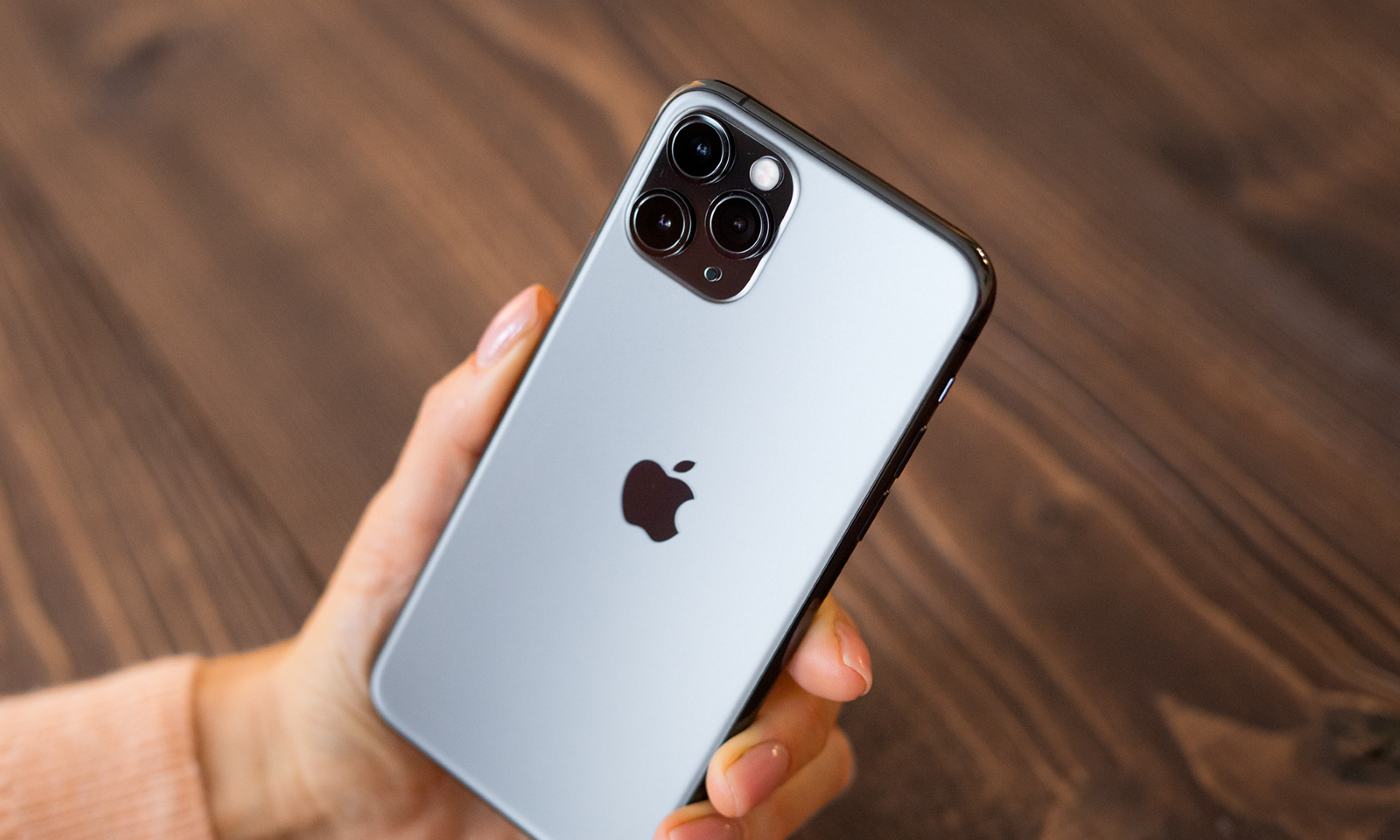
In a widely anticipated move, Apple (AAPL +0.33%) confirmed today that the company is partnering with Alphabet's (GOOGL +1.04%) (GOOG +1.14%) Google Gemini to give its virtual assistant, Siri, a long-awaited makeover.
"After careful evaluation, we determined that Google's technology provides the most capable foundation for Apple Foundation Models and we're excited about the innovative new experiences it will unlock for our users," Apple wrote in a statement on Monday.
Shareholders and iPhone users alike cheered the move, which could reinvigorate Apple's lagging stock.
Image source: Getty Images.
Missing the AI party?
There have been significant developments in the field of artificial intelligence (AI) over the past few years, with generative AI taking center stage. What sets these next-generation algorithms apart from their predecessors is their ability not only to generate original content, including text, images, and even computer code, but also to understand context and respond to multi-part requests.
When Apple first acquired Siri in 2010, the conversational AI was groundbreaking, representing the next phase of AI evolution. It changed the way users interacted with their devices, sparking a wave of imitators.
Unfortunately, one of Apple's greatest strengths turned out to be its greatest weakness. The company's well-documented focus on privacy and its walled garden limited the amount of data available for training large language models (LLMs), causing Siri to fall behind its peers, including Amazon's Alexa and Google Assistant.
As part of its AI campaign, the company has been touting Apple Intelligence, which will put "powerful generative AI models at the core of iPhone, iPad, and Mac." The cornerstone of its AI strategy is the ongoing Siri makeover. Apple's adoption of Google Gemini, which is being hailed as a powerful, top-tier AI, will help the company realize its AI aspirations. Early steps taken to beef up AI on the iPhone are already bearing fruit.

NASDAQ: AAPL
Key Data Points
Apple led the smartphone space in 2025, with a 20% share of the market, according to a report by Counterpoint Research. Shipments of the device jumped 10% year over year, thanks to an "expanding presence and rising demand across emerging and mid-sized markets, supported by a stronger product mix," according to the report. The robust adoption of the iPhone 17 and continued demand for the iPhone 16 helped fuel Apple's market share gains.
Many on Wall Street have pointed to the successful development of Apple Intelligence as critical to support future stock price gains. In a note to clients on Monday, Wedbush analyst Dan Ives maintained his outperform (buy) rating and a Street-high price target of $350. That represents potential upside for investors of 35% compared to Friday's closing price.
Ives doubled down on his opinion that this will help Apple "accelerate its AI strategy into 2026 and beyond. Ives also kept Apple on the Wedbush Best Ideas list and the Ives AI 30 List.
Finding its AI footing will likely boost Apple in the months and years to come. Furthermore, at less than 29 times next year's expected earnings, the stock is attractively priced.