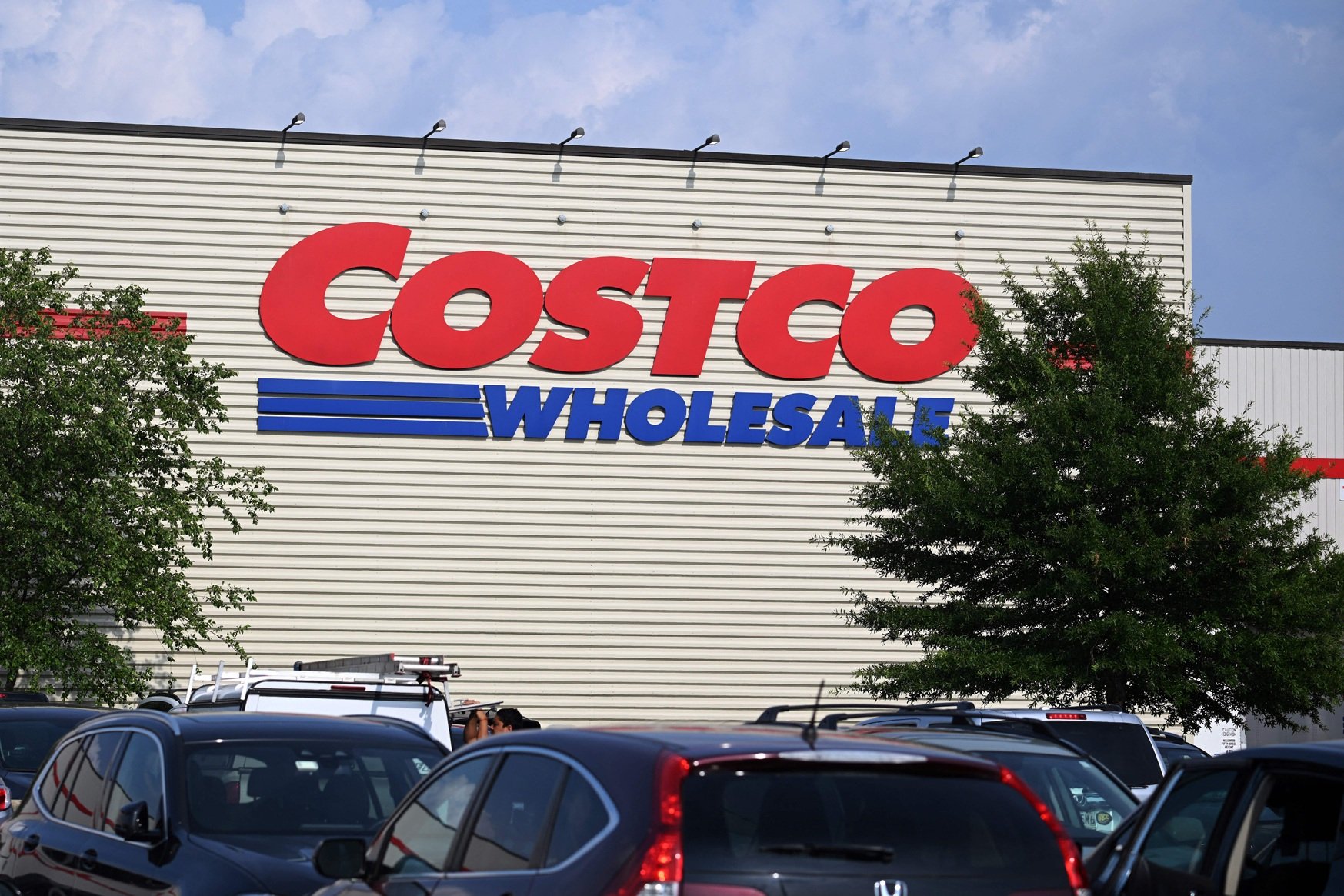
Costco (COST +1.14%) is a popular retail stock that has generated a total return of 161% in the past five years (as of Jan. 9). The company has performed well, as it continues to open new stores, add members, and grow sales. This is exactly what investors like to see.
Where will Costco be in early 2031?
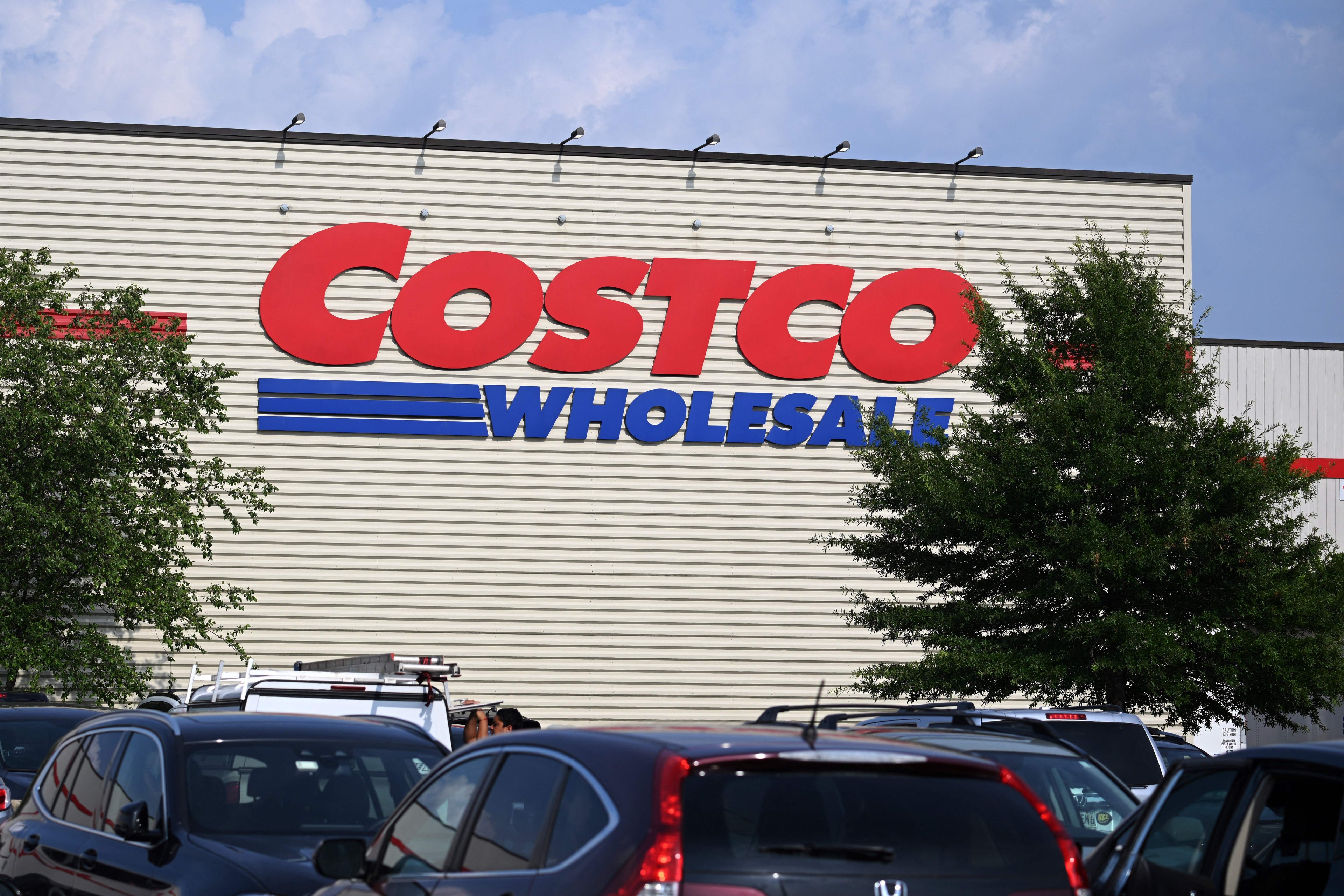
Image source: Getty Images.
Costco will keep expanding its business
Costco's net sales totaled $270 billion in fiscal 2025 (ended Aug. 31). This makes it a leading retail enterprise on a global scale. And it has 921 warehouses in total, with an average store size of 145,000 square feet. This is a massive business.
Despite its size, the company has grown nicely. Last fiscal year, Costco added 24 net new warehouses to its physical footprint. The leadership team has said that the plan is to open 30 net new locations each year.
"We continue to see significant opportunities for future warehouse growth, both domestically and across the international markets where we operate," CEO Ron Vachris said on the Q1 2026 earnings call.
This pace implies that Costco will have about 150 new locations in early calendar 2031. There's no doubt in my mind that the company will be generating much more revenue and earnings at that time.
A powerful scale advantage is hard to compete with
Costco's ongoing success is supported by its wide economic moat, which comes from its tremendous size. Scale can be a huge advantage, especially in the world of retail. Because Costco sells a significantly lower number of items in its warehouses compared to competitors, and because its sales volume is so high, the company has unrivaled buying power. This allows it to negotiate favorable terms from suppliers. And these cost savings then benefit shoppers.
Customers certainly love this business. Membership households grew 39% between fiscal 2020 and fiscal 2025. And Costco's worldwide renewal rate usually sits at around 90%. It has a stellar track record of increasing same-store sales, with credit going to the strength of the business model.
Another way to gauge the durability of Costco's competitive position is by understanding how the business has performed in the face of ongoing e-commerce penetration. Amazon is the leader in online shopping, and its Prime memberships are wildly successful. This hasn't gotten in the way of Costco's growth. Investors should have confidence that the company has staying power.
COST Costco Wholesale
NASDAQ · As of 4:00 PM ET 10/16/26

Investors can forget about this tailwind
Five years ago, Costco shares were trading at a price-to-earnings (P/E) ratio of 38. This was undoubtedly an expensive entry point. However, the stock has gone on to crush the market since then. It seems that Costco shares, unlike the merchandise the business sells, are never cheap. This tells me that the investment community places a premium on the stock, probably due to sustainable competitive advantages and consistent financial results. For this reason, Costco can be viewed as a safe investment.
Right now, the P/E multiple is an even steeper 49.2. To be fair, it has come down from the peak of 63.2, which it reached in February 2025. However, I believe this is too high a starting valuation, particularly because there is no margin of safety. It's hard to buy shares in the hopes that an already elevated P/E ratio will either stay the same or rise. Costco's could contract over the next five years.
In an ideal world, Costco shares would be trading at a P/E multiple right now of around 25. At that point, buying the stock would probably be a no-brainer decision. The business will continue humming along nicely. But over the next five years, I wouldn't be surprised if the stock underperforms the broader market.