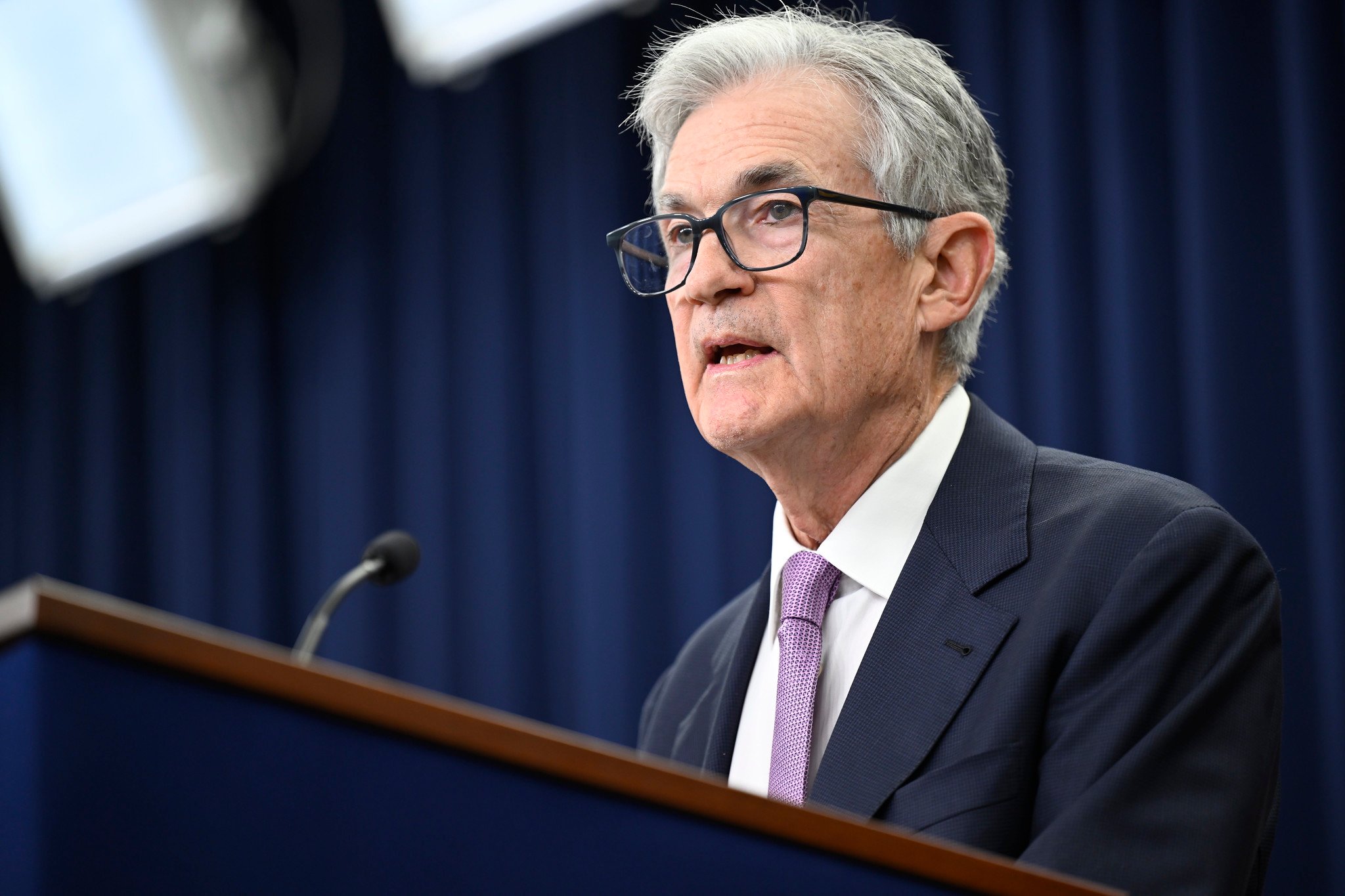
The S&P 500 (^GSPC +0.54%) inched higher on Jan. 12, despite reports that U.S. prosecutors are investigating Federal Reserve Chair Jerome Powell concerning his testimony about the ongoing renovation of two central bank buildings.
News of the probe drew criticism from Wall Street, former Fed and Treasury officials, and some Republican lawmakers. President Trump has denied involvement, despite repeatedly berating Powell since taking office and threatening to sue Powell for "gross incompetence" as recently as late December.
Investors should be concerned because the Justice Department's investigation seems like another attempt to undermine the Federal Reserve's independence. Even the perception that monetary policy decisions are being manipulated by politicians could be devastating for the stock market.
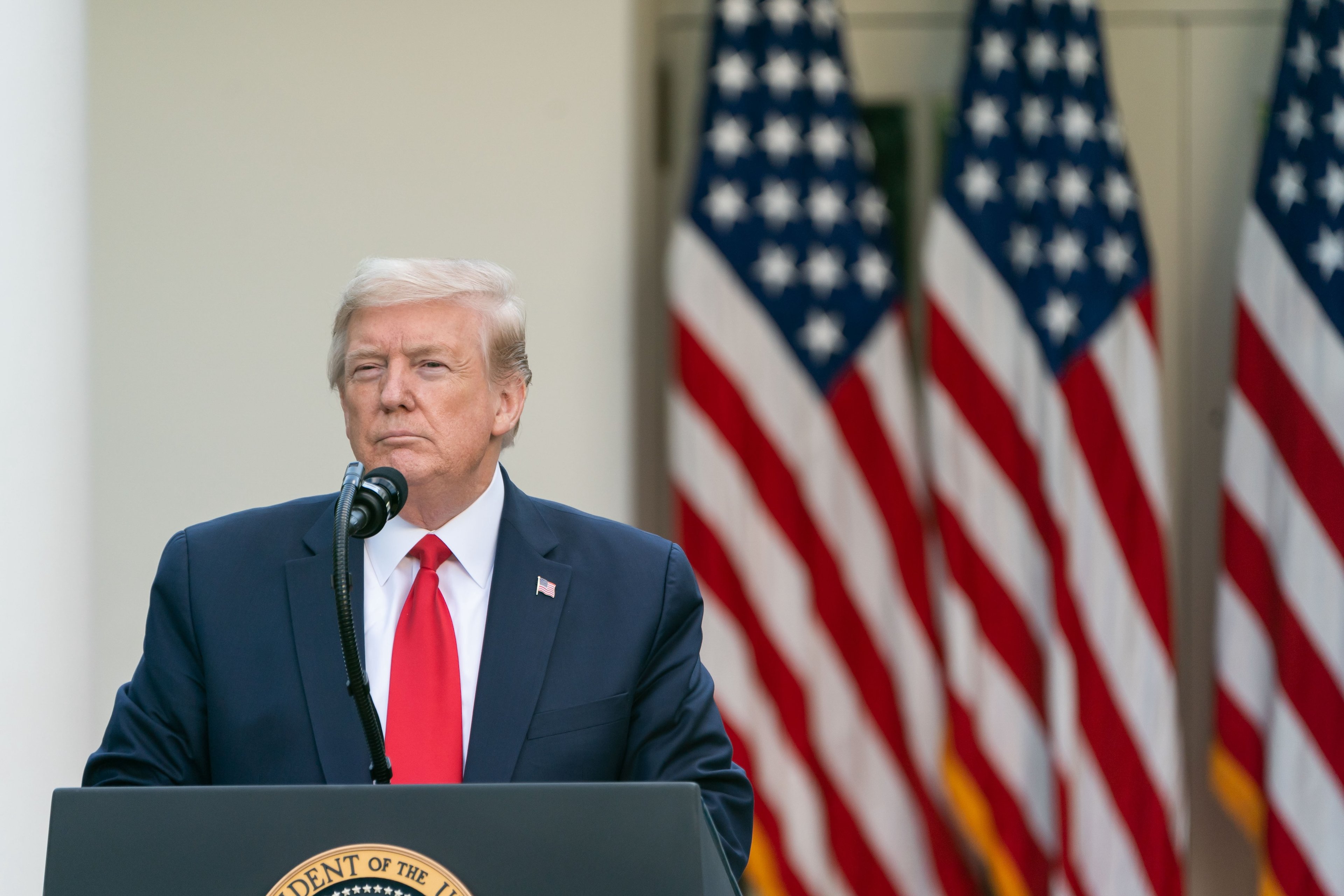
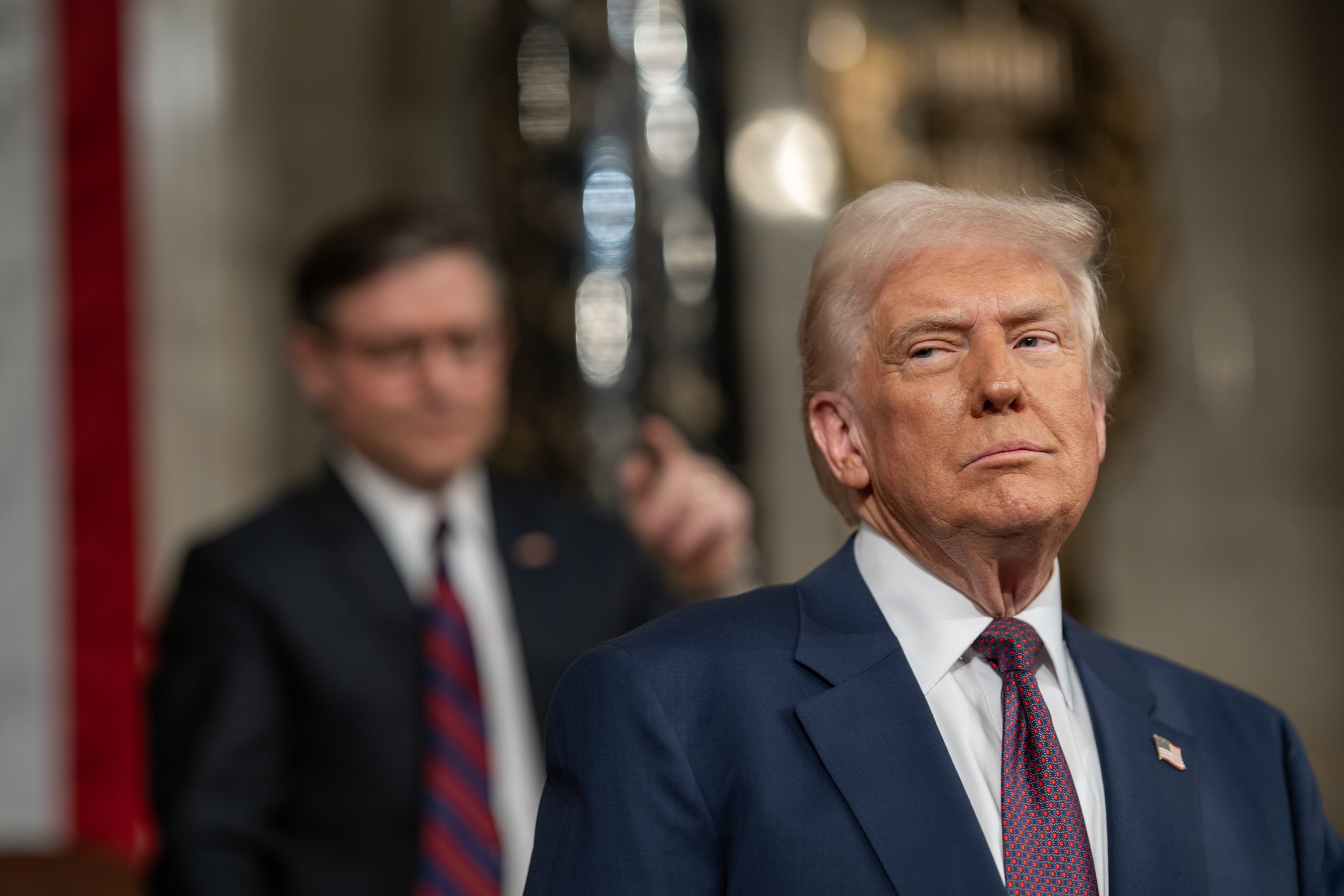
Image source: Official White House Photo by Andrea Hanks.
President Trump has repeatedly attempted to undermine the Federal Reserve's independence
President Trump has made no secret of his desire for lower interest rates. The severe tariffs imposed by his administration threaten to slow economic growth, and federal debt recently exceeded $38 trillion for the first time. Lower interest rates would not only offset economic weakness caused by higher tariffs but also reduce the cost of servicing government debt.
Importantly, while other presidents have attempted to influence the Federal Reserve's stance on monetary policy, Trump has pushed harder than any predecessor, often by threatening legal action or berating officials on social media.
- April 2025: When Powell warned that tariffs could lead to worse inflation and higher unemployment, a situation known as stagflation, Trump threatened to fire Powell. The president also attacked Powell on social media, calling him a "major loser."
- June 2025: Expecting the Federal Open Market Committee (FOMC) to hold interest rates steady at the June meeting, President Trump lashed out at Powell ahead of the decision, calling him a "stupid person" and a "numbskull" [sic].
- August 2025: Trump tried to remove Fed Governor Lisa Cook over alleged mortgage fraud in 2021, despite federal law prohibiting the removal of Fed governors for any reason except misconduct in office. The Supreme Court later determined that Cook could keep her job.
- December 2025: Powell's term as Fed chairman ends in May, and Trump has outlined qualities his replacement must possess. "I want my new Fed chairman to lower interest rates if the market is doing well," he wrote on social media. "Anybody that disagrees with me will never be the Fed chairman." Trump also threated to sue Powell for incompetence.
- January 2026: The Department of Justice served the Fed with grand jury subpoenas that threatened criminal indictments concerning Powell's testimony last June. Powell called the investigation a pretext intended to pressure policymakers into lowering interest rates.
Interestingly, Trump may have already weakened the Fed's independence to some degree by nominating Stephen Miran to replace former Fed Governor Adriana Kugler, who resigned last year before her term ended. Miran has participated in three FOMC meetings and has voted against the majority every time, consistently arguing for larger interest rate cuts.
The stock market could fall sharply if the Federal Reserve's independence is compromised
The Federal Reserve is tasked with maintaining stable prices and maximizing employment. The central bank primarily sets monetary policy by adjusting the target range on the federal funds rate, a benchmark that impacts other interest rates across the economy.
The Federal Reserve is an independent government agency. That distinction frees policymakers from political pressure, letting them set interest rates in a way that promotes long-term stability in the U.S. economy, rather than adjusting rates to temporarily win favor with voters.
What would happen if the Fed lost its independence? Politicians could force policymakers to cut interest rates when it suited them. Unnecessary rate cuts would stimulate economic growth in the near term, possibly giving the political party in power an edge around elections, but would make inflation worse in the long run.
So what? Higher inflation would erode the value of consumers' income and savings, and increase Treasury yields because investors would want compensation for the extra risk. That means the government would have to pay more to service its debt, which could further unsettle bond investors and drive yields even higher.
Here is the big picture: Treasuries become more attractive as yields increase, which makes stocks look less attractive by comparison. Historically, the S&P 500 has often performed poorly when the 10-year Treasury bond pays more than 4.5%. The yield is currently near 4.2%.
If President Trump undermines the Federal Reserve's independence -- or if monetary policy decisions even appear to be politically motivated -- it would be bad news for investors. The market would become volatile and stocks would almost certainly drop, perhaps sharply.