Navitas Semiconductor (NVTS -9.64%) is off to a hot start this year. Shares of the specialty chipmaker have soared over 40% since just the beginning of January and are up nearly 200% in the past 12 months. The question for investors is whether the gain is mostly hype or is now the time to buy Navitas?
Will AI excitement result in lasting revenue?
The stock's rise is mostly fueled by optimism and the fact that electrical infrastructure demands are far outpacing supply at the moment. This is the core momentum driving Navitas stock. Navitas is one of the few companies worldwide developing and selling both gallium nitride (GaN) and silicon carbide (SiC) power chips, setting it apart from its competitors.

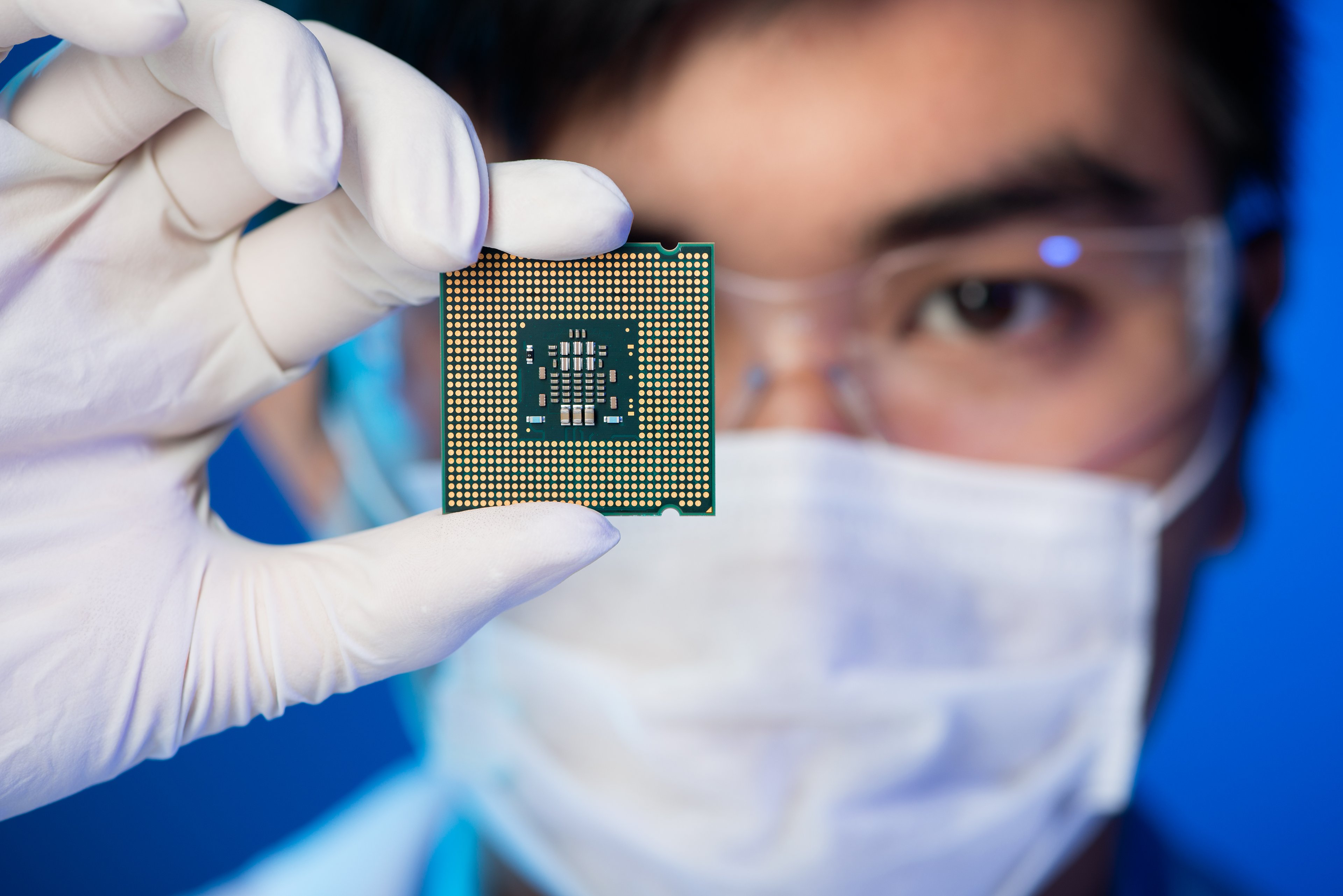
Image source: Getty Images.
These ultra-efficient semiconductors increase energy savings by as much as 40%. The chips are crucial in electric vehicles, consumer electronics, and the rapidly growing power demands of artificial intelligence (AI) data centers.
Another crucial aspect of the chipmaker's current and future revenue is its partnership with Nvidia (NVDA -1.43%). In May 2025, Navitas announced that it was working with Nvidia to develop the architecture for building higher-voltage data centers. The actual amount of additional revenue Navitas will generate from this partnership has yet to be determined, but it could be substantial. McKinsey estimates data centers will require nearly $7 trillion in capital outlays by 2030. This is a monumental opportunity for Navitas.
Currently, Navitas is not profitable, and its revenue is actually declining as of its latest earnings report. Still, this shouldn't necessarily deter investors, as we need to examine the reasons for the short-term decline in revenue. Navitas is in the midst of a strategic pivot and has acknowledged that this change in focus will result in lower near-term revenue, with the hope of securing greater gains over the next several years.
Specifically, Navitas is deprioritizing its lower-power and lower-profit businesses and streamlining operations to pivot toward higher-power revenue and customers. The company believes this move will not only be more lucrative but also more sustainable. Navitas is also betting that the pivot will enhance the scalability of its products.
While Navitas may not be profitable at present, the expanding total addressable market of data centers, as well as industrial electrification, bodes well for the company's future. Industrial electrification marks a shift from fossil fuels to electricity as the primary source of power for operations. This has a positive impact on carbon footprints and long-term sustainability.
NVTS Navitas Semiconductor
NASDAQ · As of 4:00 PM ET 10/16/26

A long, challenging, but potentially lucrative road ahead
There are considerable risks for Navitas. First and foremost, the company is betting that demand for AI data centers and industrial electrification will continue to increase exponentially. Secondly, lower near-term revenue and high operating expenses are putting significant pressure on the company.
In the third quarter of 2025, Navitas reported just $10 million in net revenue compared to $23 million in expenses. As of this earnings report, Navitas had $150 million in cash and equivalents available. If demand for its products craters or there is any hiccup with its partnerships, there could be real trouble for Navitas. Investors need to recognize that Navitas is still in its early stages.
Navitas also has real competition to contend with. Larger, more established companies, such as Texas Instruments, STMicroelectronics, and ON Semiconductor, are all aggressively expanding their GaN technology offerings as the race to secure AI energy contracts intensifies.
Even with serious competition and a major pivot at hand, Navitas stock could continue on an upward trajectory if power demands continue to skyrocket, and I believe they will over the next decade. The stock is best for those who have a longer time horizon and can withstand the volatility that won't likely subside anytime soon.
The bull case for Navitas Semiconductor is that it benefits tremendously from a shift toward GaN and SiC technology in multiple industries, and early investors will be rewarded for recognizing this.