Electric vehicle and robotaxi company Tesla (TSLA 2.46%) is scheduled to report earnings results for the fourth quarter of 2025, after the market closes on Jan. 28. As one of the most popular and widely debated stocks in the entire stock market, you know investors will be paying attention, and also be anxious to hear from CEO Elon Musk about updates on the company's newer business lines that have immense potential.
Earlier this month, Tesla announced that it had delivered "over 418,000" vehicles in the fourth quarter, down 16% from the same quarter in the previous year. Overall, deliveries of 1.64 million in 2025 dropped nearly 9% from 2024.
Wall Street analysts have a consensus earnings-per-share estimate of $0.45 for the fourth quarter, representing a 38% year-over-year decline. Tesla's revenue is expected to be $24.76 billion, a decline of approximately 4% year over year. While successful investing is about time in the market, and not trying to time the market, many investors might be wondering if they should buy Tesla before the quarterly report on Jan. 28?

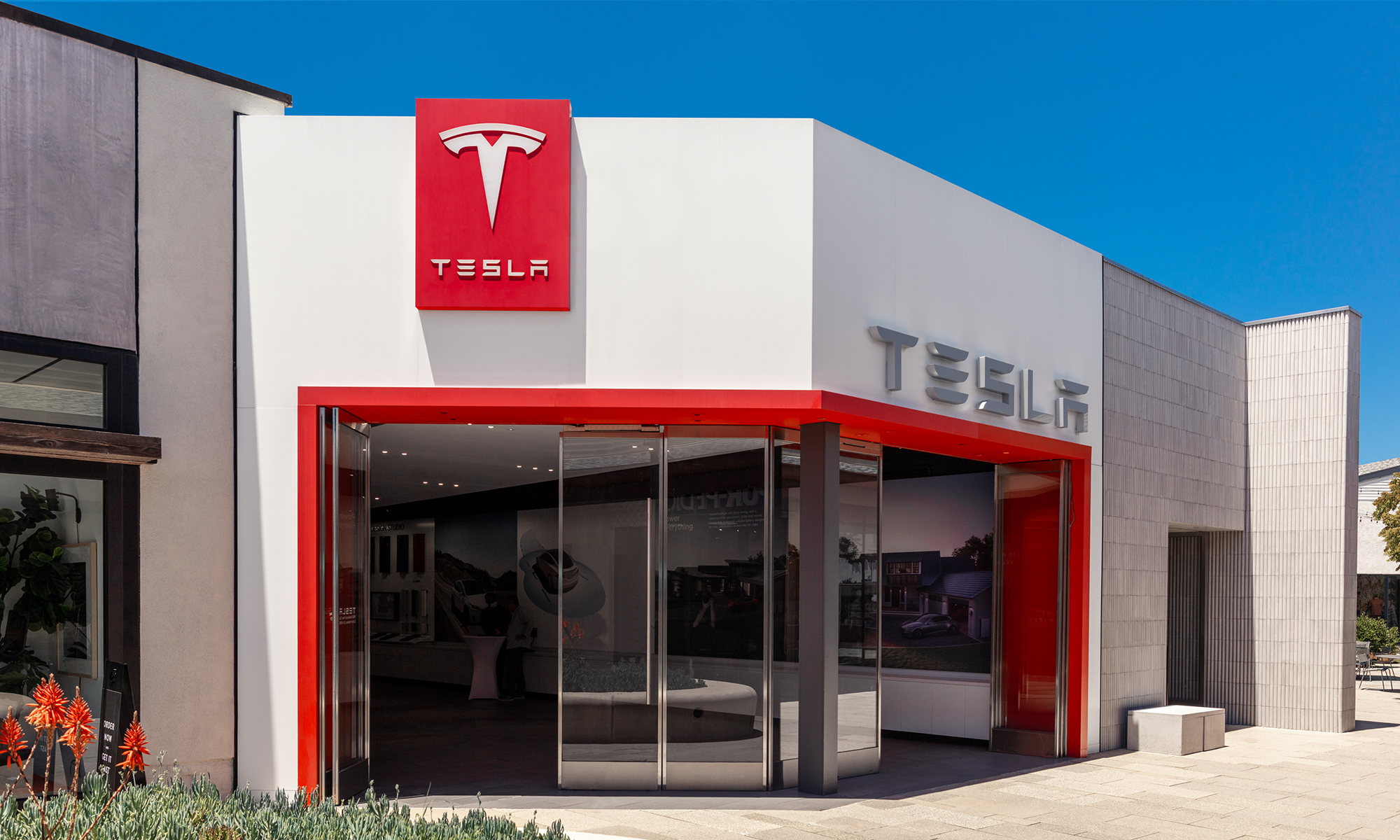
Image source: Tesla.
All eyes continue to be on robotaxis and robots
Given that Tesla has already reported deliveries for the fourth quarter, much of the drama surrounding the fourth-quarter earnings report has dissipated. The EV industry is struggling, given that the Trump administration is not prioritizing electric vehicles.
The real focus will be on Musk and comments relating to the company's burgeoning robotaxi fleet, as well as humanoid robots, which many believe will be the big drivers for the stock. The expectation is that Tesla will roll out robotaxis in many new cities this year.

NASDAQ: TSLA
Key Data Points
Musk could certainly say something that causes the stock to jump, but I never recommend that investors try to play a short-term event, which is too difficult to predict accurately. I believe Tesla trades at too rich a valuation to invest in at this time. However, as mentioned above, it's arguably the biggest battleground stock on Wall Street, so there's an argument to be made for both sides. Retail investors should consider a long-term time horizon when investing and not pin their moves to just one day.