Management consultant Gartner forecasts AI spending to reach nearly $1.5 trillion in 2025, rising to more than $2 trillion in 2026. This growth is expected to be driven by greater AI integration in devices such as smartphones and PCs, as well as by spending on computing infrastructure.
Here are two companies that could benefit from this trend, potentially sending their stocks higher in 2026 and beyond.

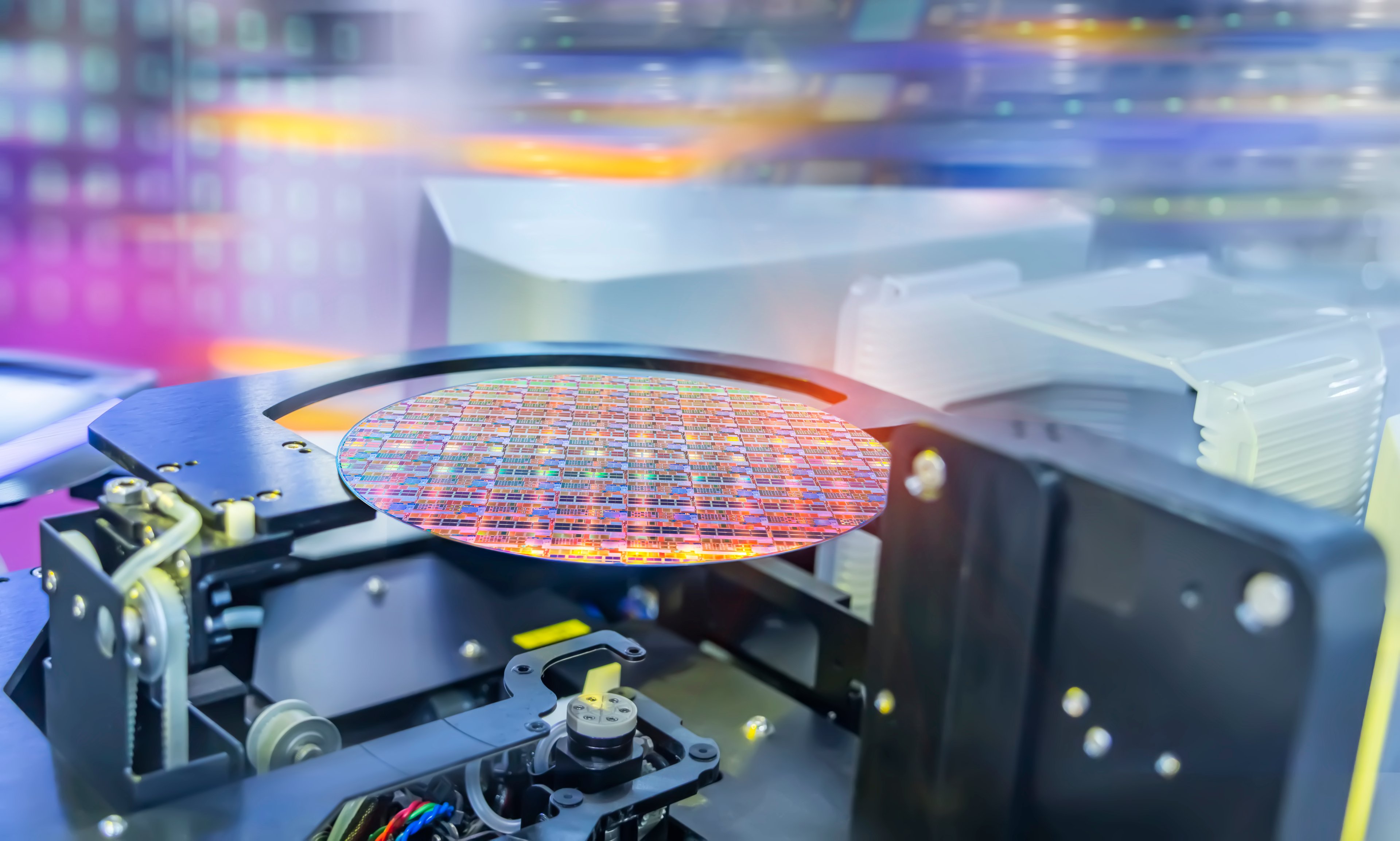
Image source: Getty Images.
Taiwan Semiconductor Manufacturing
The first company that should see solid demand if Gartner's forecast plays out as expected is the world's top chip manufacturer. Taiwan Semiconductor Manufacturing (TSM +2.42%) makes chips for smartphones, smart devices, and high-performance computing, including data centers.
Fourth-quarter earnings results were stellar. Revenue surged 25% year over year in U.S. dollars, driven by its leading-edge process technologies, including advanced AI chip technologies.
A bonus for investors is that other business segments are gaining momentum, such as chips for smartphones. Apple (AAPL +2.90%) is another key customer for TSMC, as the company is also known. Revenue from the chip producer's smartphone segment increased 11% year over year, while Internet of Things revenue grew 3%, and automotive revenue declined 1%.

NYSE: TSM
Key Data Points
TSMC forecasts AI chip revenue to grow by more than 50% annually through 2029. The company has every incentive to invest as much as possible to expand its manufacturing capacity to meet demand in the high-performance computing market. Yet management is still directing investment toward chipmaking for smartphone customers, clearly suggesting that it sees more growth for these chips on the horizon.
Apple has reportedly already secured about half of TSMC's available production capacity for its advanced 2-nanometer process technology, which will be used for the A20 chip in the new iPhones coming later this year.
Overall, TSMC's outlook for 2026 calls for revenue to increase by 30% in U.S. dollars, with earnings per share expected to grow 25% to $13.26, according to Yahoo! Finance. The long-term outlook for chip demand could warrant a higher multiple than the stock's current 26 times forward earnings. The combination of strong earnings growth and a higher earnings multiple could offer attractive upside potential in 2026.

Image source: Getty Images.
Apple
Apple is another excellent choice to profit from the growth in AI spending. As the technology becomes more integrated into everyday devices, it will undoubtedly benefit this top consumer brand.
Deeper AI integration across its devices represents a huge opportunity to drive a supercycle of upgrades for Apple. The company may already be preparing for this potential: For the fourth quarter (ended in September 2025), management reported record quarterly revenue of $102 billion, up 8% year over year.

NASDAQ: AAPL
Key Data Points
This record revenue was driven by the iPhone, which accounted for nearly half of the company's total, or $49 billion. That represented a strong year-over-year increase of 6%, especially considering that the iPhone 16 and 17 were supply constrained.
Apple is just getting started on making its devices more attractive to consumers with AI. It just signed a multiyear agreement with Alphabet to use Gemini models for deep AI integration across its devices. Gemini will power future Apple Intelligence features, including a more personalized version of Siri, set to launch in 2026.
Analysts expect revenue to increase by about 9% in fiscal 2026, with earnings per share rising by roughly 11% to $8.27, according to Yahoo! Finance. I believe these estimates may significantly underestimate demand for new products, given the significant overhaul of Apple Intelligence with Gemini.
Wedbush analyst Dan Ives sees Apple stock climbing to $350 over the next year, which is a reasonable estimate given that investors are discounting the prospect of more substantial revenue and earnings. This would imply near-term upside of 35% from the current $260 share price, with more gains to come as Apple's revenue and earnings grow over the long term.