"Just started Tesla Robotaxi drives in Austin with no safety monitor in the car," wrote Tesla (TSLA 0.55%) CEO Elon Musk on X this week.
This is important progress for the electric-car maker. A pilot version of its autonomous ride-sharing program, Robotaxi, first rolled out in Austin last summer. But the autonomous cars weren't entirely autonomous -- they had a safety rider ready to take over if things went wrong. Now, Tesla is apparently in the first phase of removing these safety riders from its Robotaxi vehicles.
Musk's update this week on Robotaxi sparked excitement from investors, with shares jumping more than 4% on Thursday.
So, does this news make the growth stock a buy?
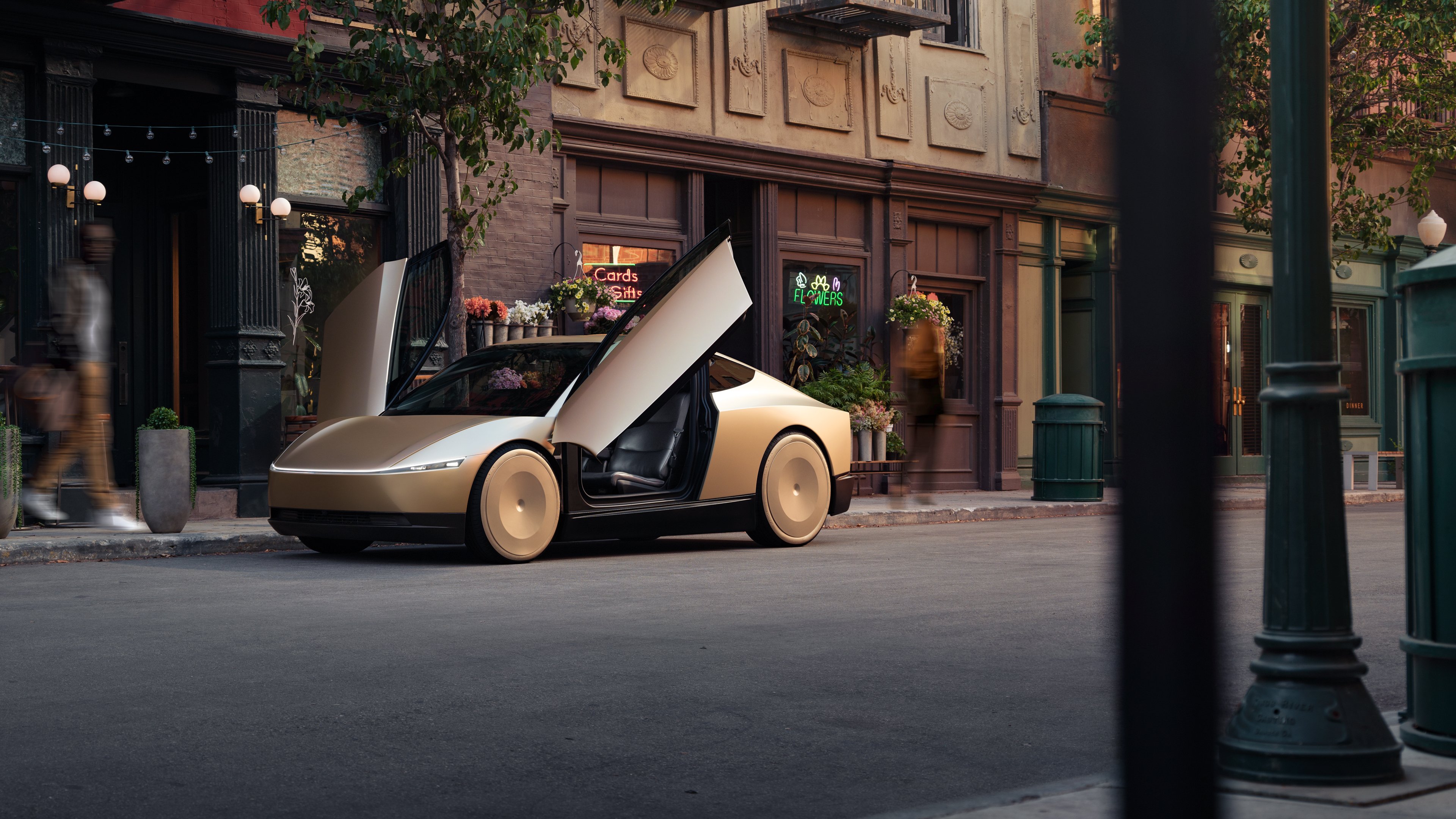
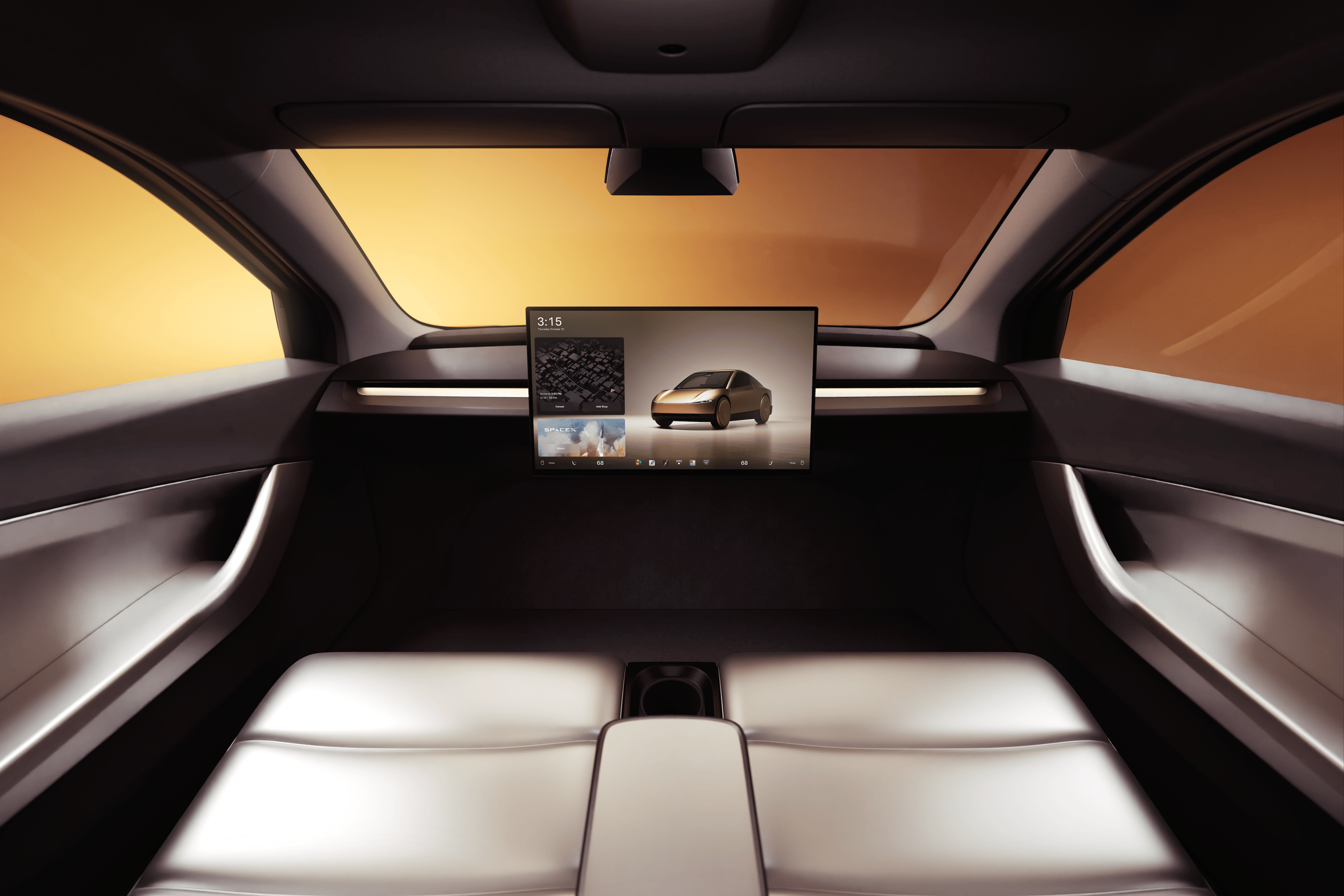
Tesla's unreleased Cybercab vehicle. Tesla's Cybercab is purpose-built for autonomous driving. Image source: Tesla.
Robotaxi is making progress
Since its launch in Austin last summer, Tesla's Robotaxi service has been making steady progress. In its third-quarter 2025 update, Tesla said it had recently expanded both its service area and fleet count for its robotaxi service in Austin. And it said it launched ride-hailing services in the Bay Area using the same robotaxi technology.
And now, moving the human monitor out of the cabin is a meaningful step forward -- perhaps the most important evidence investors have yet that Tesla's Robotaxi service could actually work. The absence of a safety rider suggests Tesla believes its system can handle a wider set of real-world situations without the same level of immediate in-car intervention.
The bull case for Tesla stock is built on the idea that, eventually, the company's entire fleet (barring older Tesla vehicles without the necessary cameras and technology) will become capable of autonomous operation. After all, the company ships every vehicle with all the hardware Tesla believes will be required to eventually make its vehicles self-driving. Indeed, its vehicles are already equipped with a Full Self-Driving (Supervised) feature that enables autonomous-like driving but requires active driver supervision and, of course, occasional driver intervention. Tesla hopes that, once its software is capable, its vehicle owners will not only be able to benefit from a truly self-driving experience but also deploy their vehicles into the Robotaxi service to earn revenue for themselves and Tesla.
Tesla's stock price already assumes success
In the meantime, Tesla's core business is struggling. In 2025, Tesla delivered more than 1.6 million vehicles, down from nearly 1.8 million in 2024. That is a significant 9% year-over-year decline.
And the recent quarterly trend shows even worse sales pressure. Fourth-quarter 2025 deliveries were 418,227 vehicles versus 495,570 in the fourth quarter of 2024 -- a decline of about 16% year over year.
Further, Tesla's most recently reported financial results were also disappointing. While we don't have the financial figures for Q4 yet, Tesla's third-quarter net income fell 37% year over year to about $1.4 billion.
With a struggling core business like this, there's only one way to explain Tesla's price-to-earnings ratio of about 300: The valuation assumes Tesla solves autonomy -- and solves it in a big way that translates into huge sales and profit growth for the company.
There are risks, of course, to this bull case. First, it's possible that the software doesn't improve as fast as expected, delaying a Robotaxi rollout at scale. Second, the pace of expansion can be influenced by safety outcomes and regulatory actions, even if the technology improves rapidly. Finally, it's possible that the economics of Tesla's self-driving technology and its Robotaxi service aren't as lucrative as investors hope.
So, does this news of Tesla testing Robotaxi vehicles without a safety driver make the growth stock a buy? It certainly strengthens the long-term bull case. But with the valuation already pricing in huge growth and vehicle deliveries still under pressure, investors may want to approach shares cautiously. More specifically, I'd personally avoid buying shares at this price, hoping for a better entry point later on.