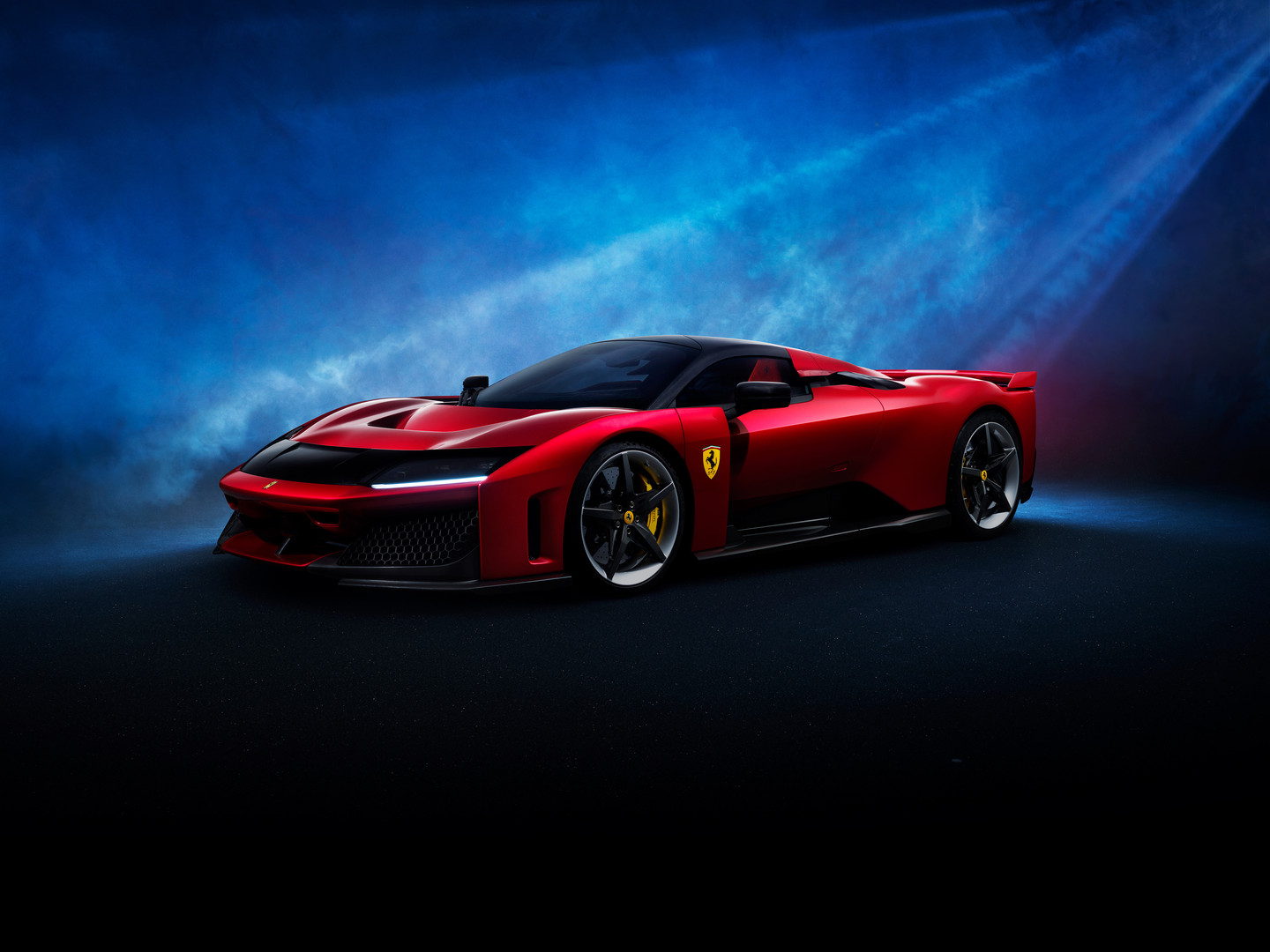
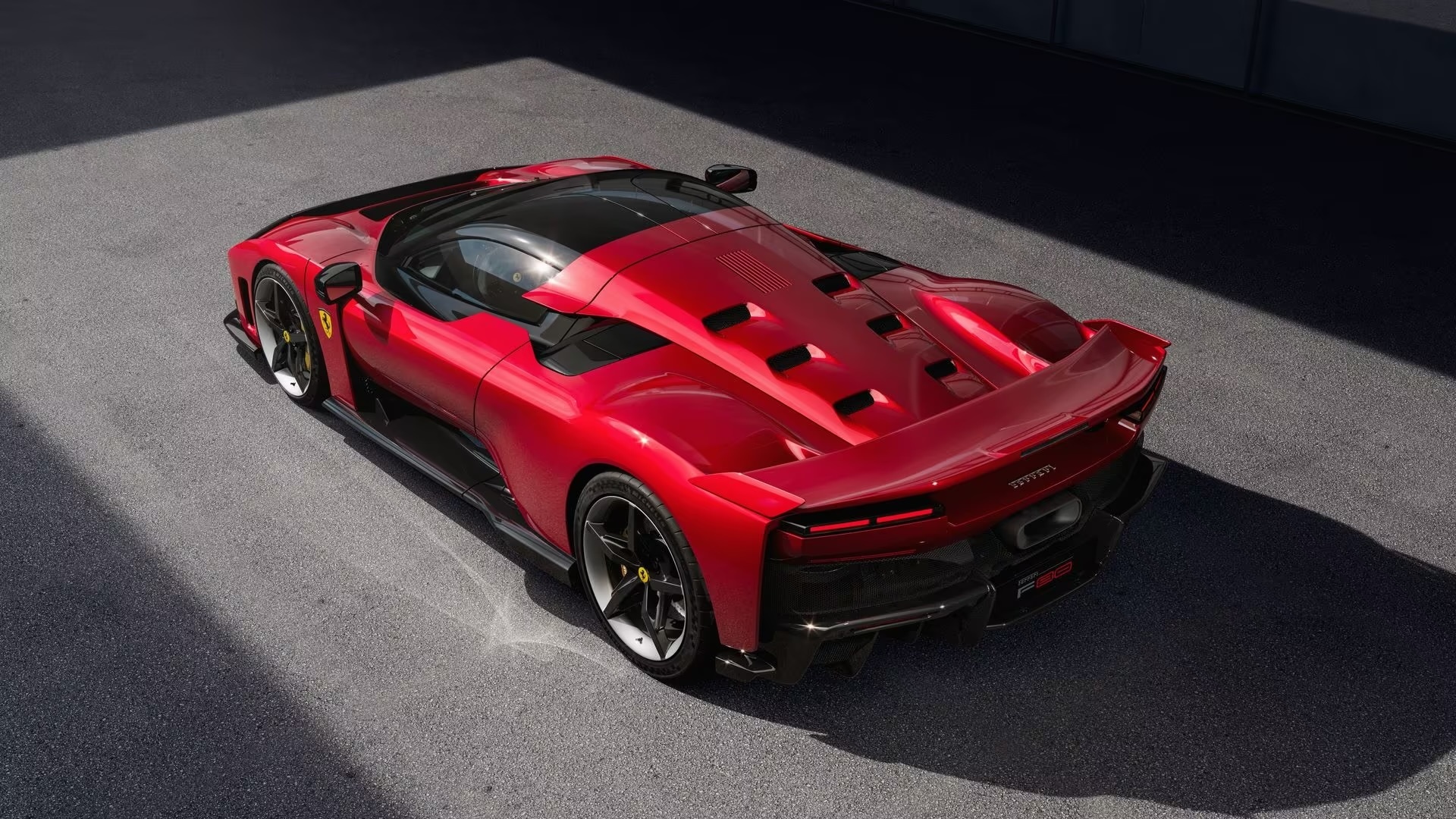
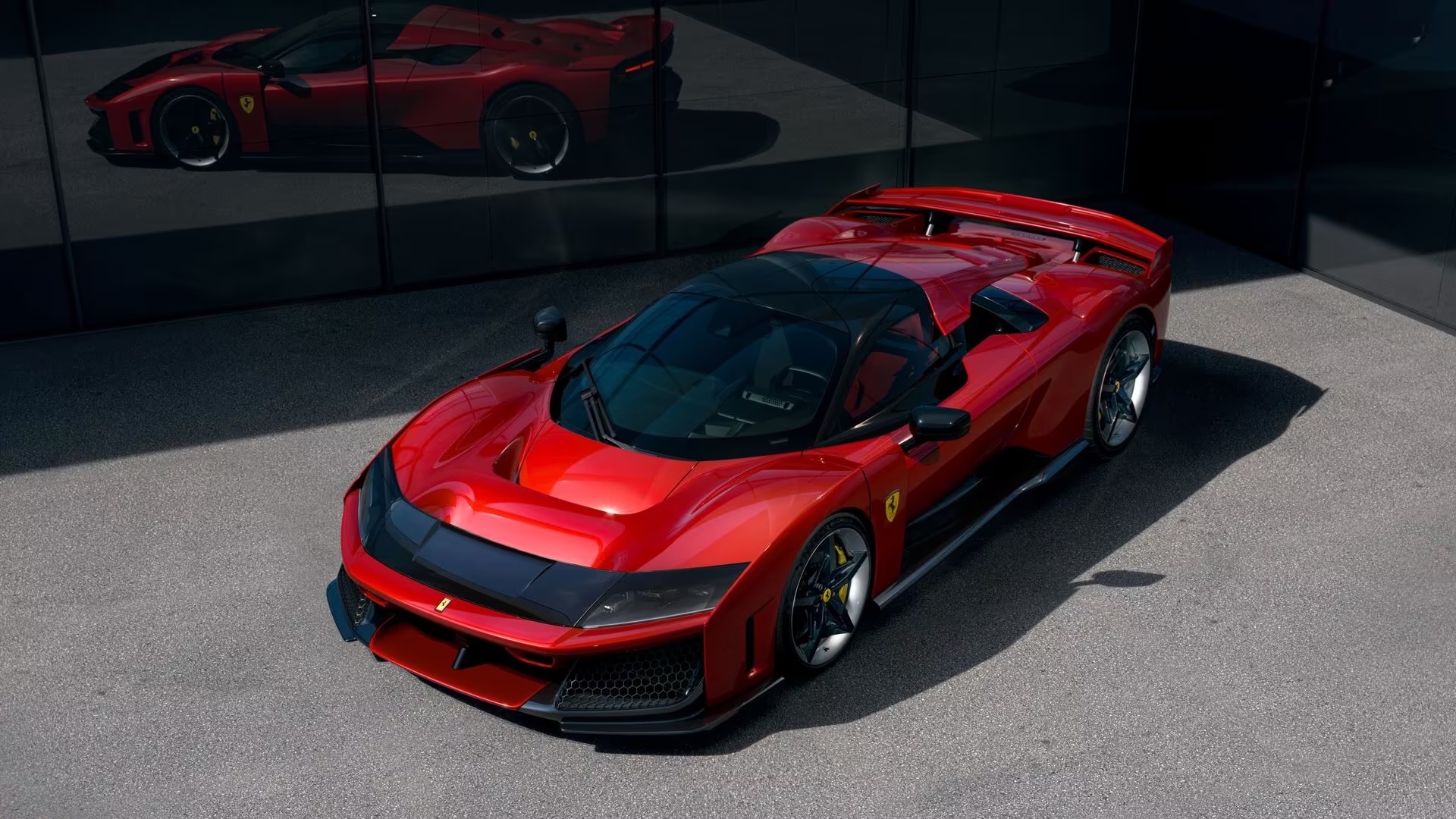
Ferrari (RACE 0.70%) has built one of the most unusual success stories in global markets. While most automakers chase scale, Ferrari compounds value by doing the opposite -- producing fewer cars, charging more, and turning emotion into enduring profitability.
The question investors should now ask isn't whether Ferrari can grow. It's a question of whether scarcity itself can remain a compounding strategy through 2030, as the world shifts toward electrification, digital experiences, and evolving definitions of luxury.
Image source: Getty Images.
What does compounding look like for Ferrari in the next decade?
Ferrari's version of compounding has never been about unit growth. By 2030, success won't mean doubling deliveries or flooding new markets with cars. It will mean increasing value density. That shows up in three places:
- Higher revenue per car through personalization and limited editions
- Deeper lifecycle monetization via servicing, restoration, and resale ecosystems
- A brand that becomes more valuable even if production stays constrained
In other words, Ferrari compounds economic value per customer, not volume. That distinction matters because it makes growth less capital-intensive, less cyclical, and more predictable over time. If Ferrari can continue increasing the value of each car (and each customer), scarcity remains an asset rather than a constraint.

NYSE: RACE
Key Data Points
Why scarcity is a structural advantage, not a marketing choice
Scarcity at Ferrari isn't branding. It's governance. Producing "one car less than demand" does more than protect exclusivity. It stabilizes the entire business model. Waiting lists create pre-sold demand. High resale values reinforce desirability. Ownership becomes a form of participation in a long-running narrative, not a one-off purchase.
By 2030, that structure could matter even more. In a world of shorter product cycles and more volatile consumer behavior, Ferrari's ability to lock in demand years in advance reduces risk in ways that most manufacturers can't replicate. Scarcity doesn't just protect pricing -- it protects planning.
Electrification tests scarcity -- it doesn't eliminate it
Electrification is often framed as an existential threat to Ferrari's identity. In reality, it's a test of discipline. By the end of the decade, Ferrari anticipates a range of models, including internal combustion, hybrid, and fully electric vehicles (EVs). The danger isn't electrification itself. It's over-democratization.
Electric performance is becoming commoditized. Instant torque and extreme acceleration are no longer rare. What remains scarce is meaning -- heritage, narrative, and emotional permission. If Ferrari keeps electric production limited, emotionally distinctive, and deliberately paced, its EVs could become collectibles rather than commodities.
In that scenario, electrification doesn't weaken scarcity. It may even reinforce it. The risk only appears if Ferrari treats EVs as a volume opportunity instead of a brand expression. That's what investors should watch closely.
The ecosystem matters
By 2030, Ferrari's compounding engine may depend less on the number of cars it builds and more on how long it monetizes each relationship. Personalization already drives a growing share of revenue. Restoration programs keep decades-old cars economically relevant. Racing, licensing, and exclusive experiences extend the brand far beyond the garage.
In other words, Ferrari doesn't sell cars once. It monetizes customer devotion over decades. This ecosystem allows Ferrari to scale engagement without scaling production. It also creates recurring, high-margin revenue streams that smooth earnings and deepen loyalty. That's how Ferrari starts to resemble a luxury platform, rather than just a car manufacturer.
The hard truth: Scarcity only compounds with discipline
Scarcity is powerful, but fragile. It fails the moment management chases short-term growth. It fails when model lines proliferate too quickly. It fails when exclusivity gets stretched for revenue. By 2030, Ferrari's most significant risk won't be competition from other automakers. It will be internal temptation -- the urge to monetize demand instead of protecting the brand that creates it.
Compounding scarcity requires saying "no" repeatedly, even when the market begs for "yes." That's easy to promise and difficult to sustain across cycles. So far, Ferrari has shown that discipline. The next decade will test whether it can preserve it.
What does this mean for long-term investors?
Stakeholders in 2030 won't judge Ferrari by delivery numbers or market share. They will judge whether each Ferrari still feels rare, both emotionally and culturally as well as economically. If scarcity persists after electrification and the ecosystem continues to evolve, Ferrari can continue to compound value even in a slower-growth environment.
This is what makes Ferrari a unique investment. You're not betting on technology leadership or market dominance. You're betting on restraint and management's willingness to prioritize rarity over revenue. That's a subtle bet. But it's the reason Ferrari has compounded for decades. The real question is whether it can do so for another one.
That's the most important issue which investors should watch closely.