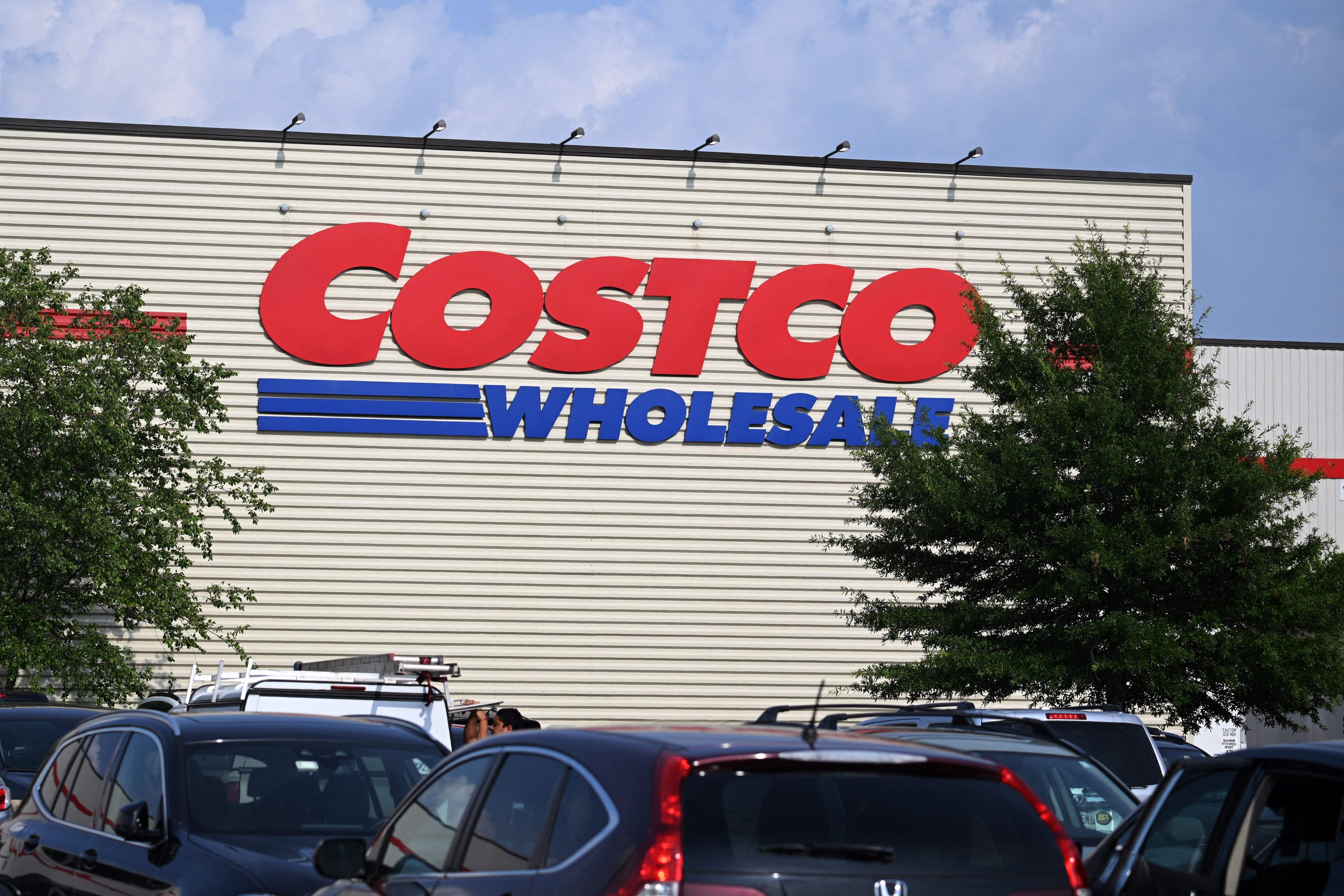
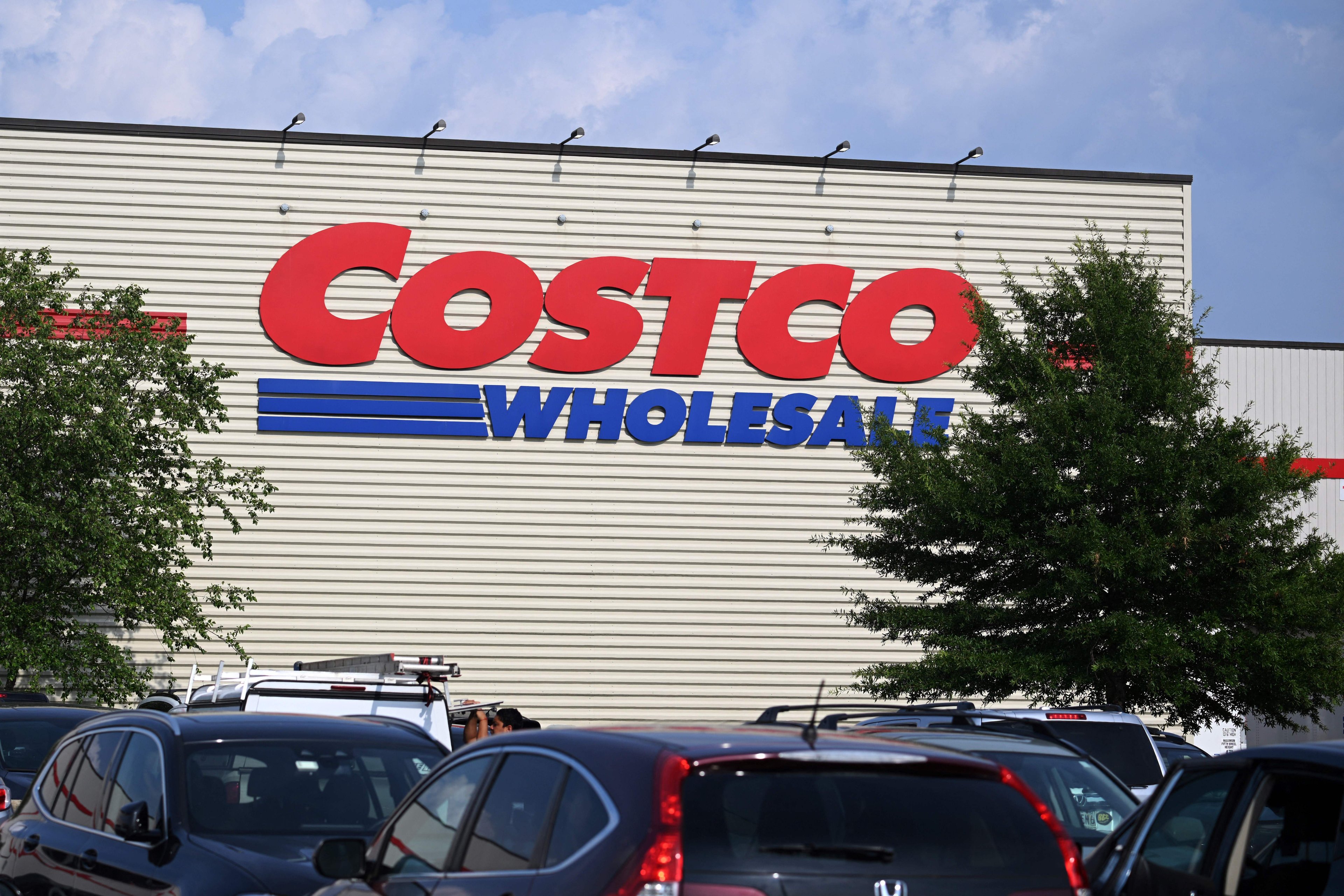
With shares up 540% over the last decade, Costco Wholesale (COST +0.76%) has delivered impressive long-term rewards to patient investors. The company's membership-based shopping centers have earned it a kind of cult following with loyal subscribers who prioritize good deals and convenience -- even if they spend more money in total by buying much more of a particular item than they actually need.
From an investor's perspective, the stock is worth a closer look in 2026 as U.S. consumers' budgets remain stretched, the job market slows, and the economy becomes uncertain for middle class families.
It's time to get defensive
On the surface, the U.S. economy seems to be doing great entering 2026. Inflation cooled to 2.7% in December, and analysts at Goldman Sachs expect gross domestic product (GDP) to expand by a strong 2.5% for the year, beating earlier predictions. That said, investors should look beyond the headlines because the economic picture is very nuanced.

NASDAQ: COST
Key Data Points
According to data from the Federal Reserve Bank of Boston, consumer spending has primarily been driven by higher-income shoppers, while middle- and lower-income brackets lag. Home foreclosures and vehicle repossessions are also surging, with the latter reaching levels not seen since the Great Recession. Costco looks like it's built to thrive in this environment because of its focus on value and typically wealthier clientele.
The average Costco shopper earns more than $125,000 per year, putting them firmly in the category of people who have retained spending power in this economy. These shoppers tend to be educated and frugal, which is why they gravitate toward buying in bulk instead of the smaller quantity (but lower value) shopping experience offered by dollar stores.
What is Costco's edge?
An economic moat is a sustained advantage that allows a company to stay ahead of the competition and drive long-term growth. For Costco, this edge mainly comes from its size and operational simplicity, which allows it to buy products in tremendous quantities and pass on savings to consumers. Getting a good deal can be quite the rush. And Costco further appeals to its frugal customer base with possible loss leaders such as its low-priced hot dog combos and $4.99 rotisserie chicken.
The goal is to foster brand loyalty, and it works. Customers are willing to pay $65 a year for a basic Costco membership (the $130 executive tier offers more perks, like cash back). And retention rates historically exceed 90%, giving the company a source of stable, high-margin revenue. The magic of this model is that the more subscribers it has, the less reliant it becomes on grocery store margins, allowing it to offer better value to its members -- creating a powerful positive feedback loop.

Image source: Getty Images.
The strategy continues to deliver. In its fiscal first quarter (which ended in December), Costco's net sales jumped 8.2% year over year to $65.98 billion, driven by strong same-store sales, which were elevated in international markets.
Global expansion might be the key to the company's long-term success. Its chief financial officer believes Costco may eventually have half of its total store count outside of North America over the next few years. And with 85% of its 923 stores located in the U.S., Canada, and Mexico, this might imply that aggressive expansion is on the horizon.
Is Costco stock a buy in 2026?
Costco is famous for offering low prices to its shoppers, but value-focused investors might be a little bit disappointed with the stock's valuation. With a price-to-earnings ratio (P/E) of 48, shares are significantly more expensive than the S&P 500 average of 22.
And that valuation is hard to swallow for a company growing at a single-digit clip. Costco belongs on your investment watch list, but it may make sense to wait for a better price before adding the stock to your portfolio.