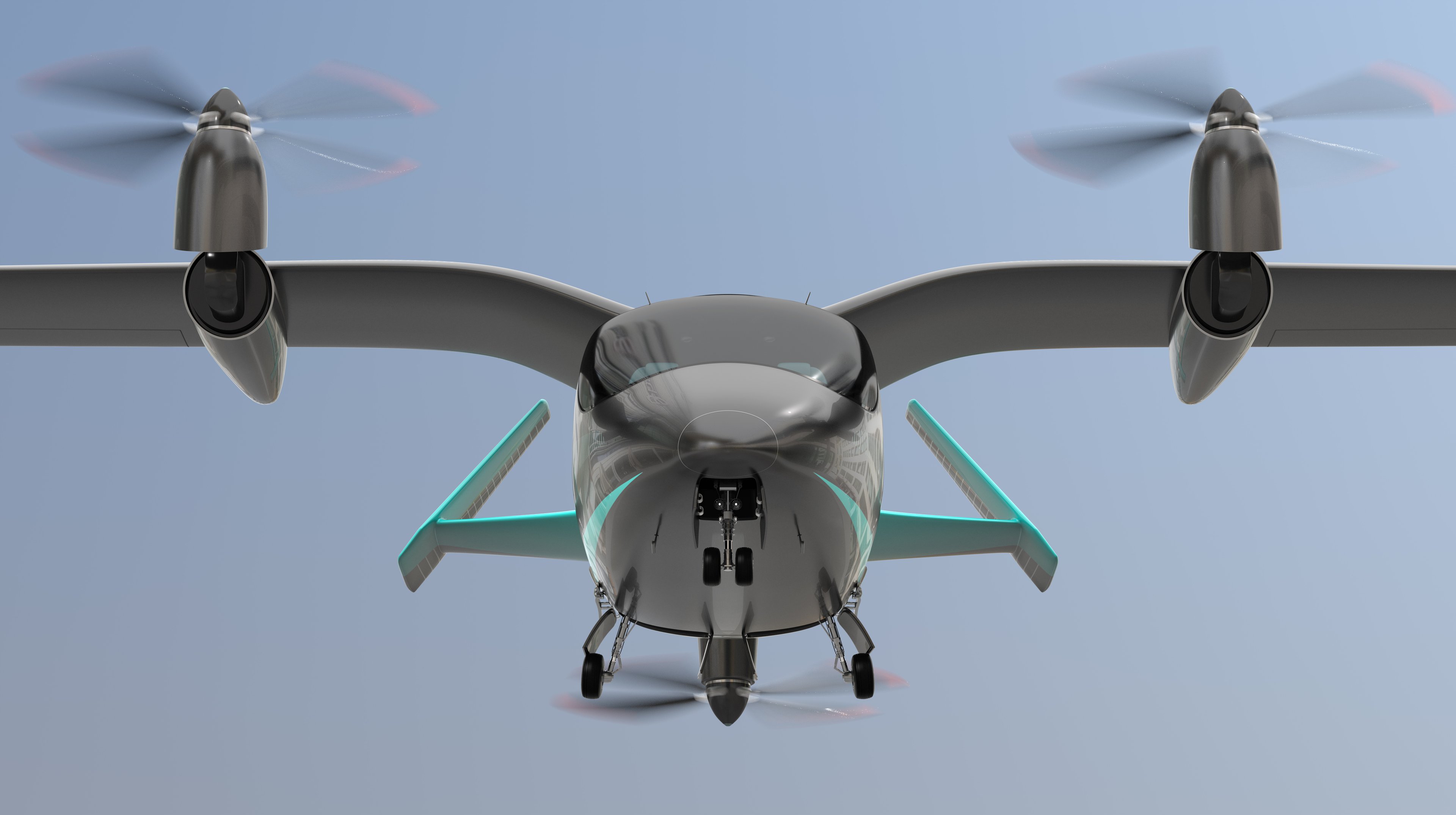
Archer Aviation (ACHR -1.48%) has taken investors on some wild rides across its history as a publicly traded company. The electric vertical takeoff and landing (eVTOL) aircraft specialist went public through a merger with a special purpose acquisition company (SPAC) in September 2021.
Following the completion of its SPAC merger, the company's share price went on to hit a lifetime high of $14.62 early in October 2025, but it's since seen a dramatic pullback. As of this writing, the stock is down roughly 40% from its peak.
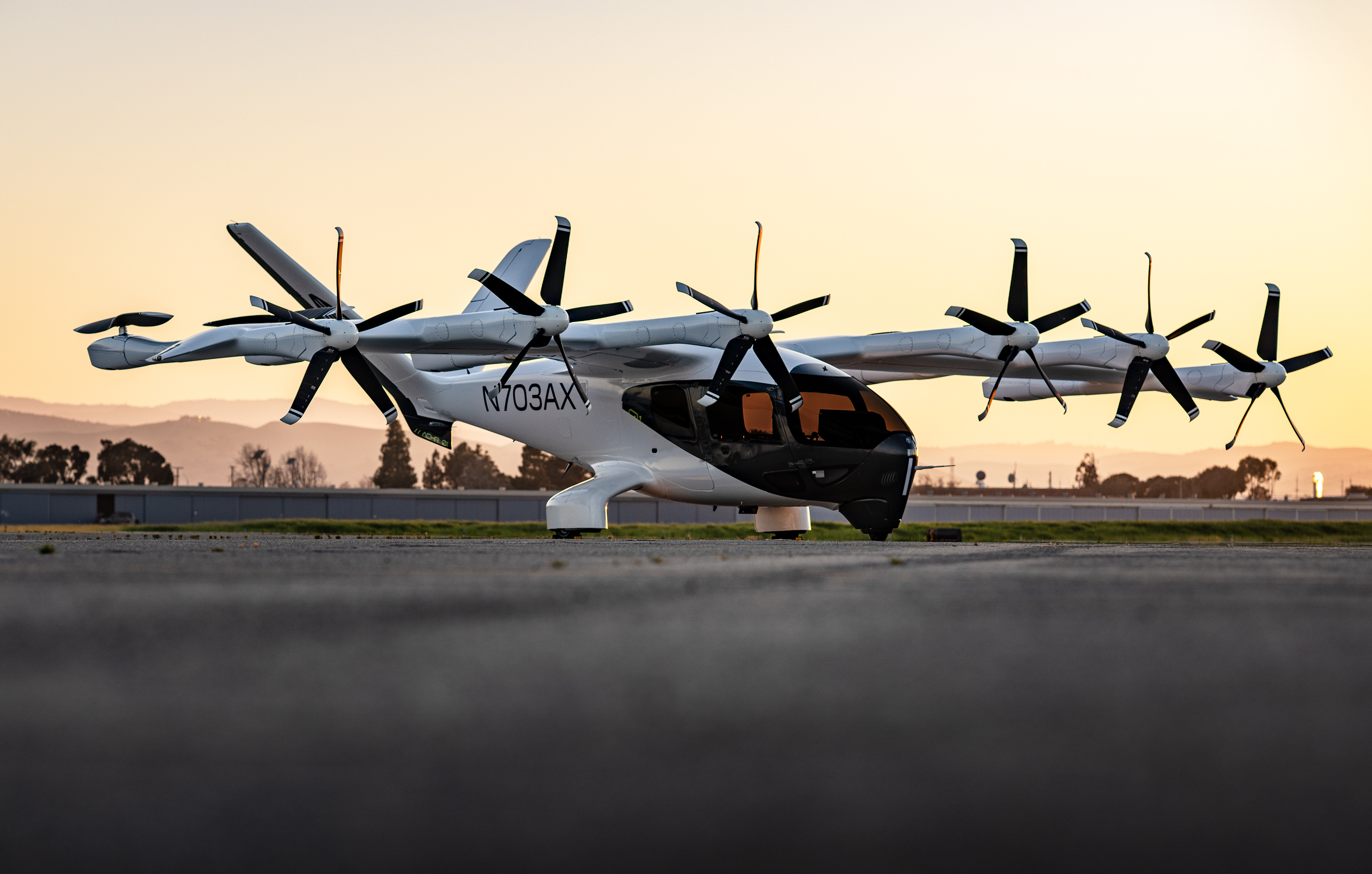
Image source: Archer Aviation.
Uncertainty surrounding the company's path to receiving operational certifications from the Federal Aviation Authority (FAA) and concerns that competitor Joby Aviation (JOBY +0.00%) is further ahead in the race to eVTOL commercialization have been key factors in the pullback. Is Archer Aviation stock yesterday's news?
Is Archer falling behind?
In the commercial robotaxi market, Archer Aviation appears to be behind Joby. Adding another complicating factor, Joby also has the advantage of a resource-rich investment benefactor in the form of Stellantis. These dynamics help explain why Archer's valuation has been losing altitude as its chief U.S.-based eVTOL rival's stock is surging.
With Joby Aviation stock up 53% over the last year and Archer down roughly 18% across the stretch, investor support has clearly shifted toward Joby. On the other hand, it's still way to early to write Archer off. The stock has managed to rise roughly 8% year to date in 2026, outperforming Joby's gain of 1.3% over the period. Interest surrounding the use of Archer's aircraft for defense purposes may explain the recent rise.

NYSE: ACHR
Key Data Points
Archer Aviation currently has a market cap of approximately $5.3 billion, and the company has yet to record any real revenue. That makes the stock a very risky play, particularly as the commercialization outlook for consumer flights in the U.S. market has seemingly shifted in less promising directions.
Archer Aviation posted a net loss of roughly $129 million in last year's third quarter. Meanwhile, actual manufacturing activity remains relatively low. When the company does start ramping up production for its Midnight eVTOLs and other craft, it's virtually certain that the business will see losses surge. This makes it likely that the company will need to take on new debt or sell new stock and dilute existing shareholders.
Archer still has a feasible path to success in the consumer air taxi market, but the overall business category remains unproven -- and its biggest rival may be further ahead in the category. With that in mind, potential bullish catalysts for the stock in 2026 appear to have become more weighted toward defense applications.