Lucid (LCID +3.38%) stock continues to see volatile trading and has fallen roughly 5% over the last month. Meanwhile, shares are down 41% over the last three months and 59% over the last year.
There are a few key reasons behind company's valuation slide over the last 12 months of trading. For starters, Lucid's business has continued to post huge losses. The company has also continued to raise funds by selling new stock to its largest shareholder -- Saudi Arabia's Public Investment Fund (PIF). The electric vehicle (EV) specialist's reverse stock split also had a bearish impact on its share price. With the stock down 98% from its lifetime high, what would it take to make Lucid investable?

Image source: Getty Images.
What's next for Lucid?
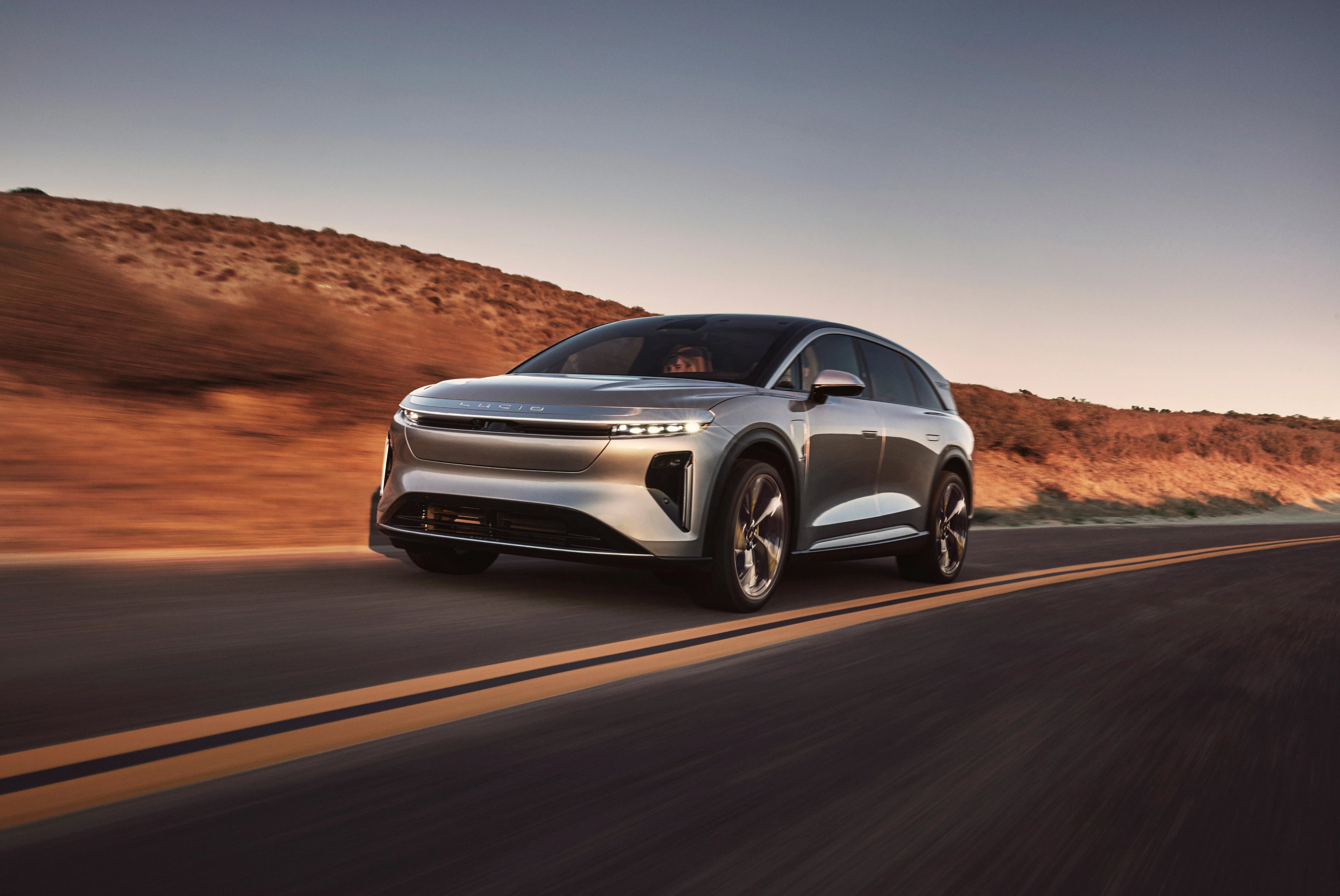
By most accounts, Lucid makes great EVs. Its Air sedans and Gravity SUVs have won plaudits from numerous auto-industry outlets and experts, and the company has succeeded in designing and manufacturing high-quality EVs that cater to a luxury niche in the market. On the other hand, there are good reasons to doubt whether the company's business model can translate into success for shareholders even though the stock trades at heavily beaten-down levels.

NASDAQ: LCID
Key Data Points
Over just three quarters last year, Lucid posted a net loss attributable to common shareholders of more than $2.5 billion on roughly $831 million in sales. Meanwhile, the company currently has a market capitalization of approximately $3.4 billion.
Despite the massive losses, Lucid probably isn't in any immediate danger of going bankrupt. The company has regularly secured new capital injections through the sale of shares to the Saudi PIF, and there has been little real indication that this funding flow is in danger of being cut off. The PIF could continue to provide steadfast support for the company, but that won't necessarily wind up working out to the benefit of retail investors.
While the sale of new stock and the issuance of convertible debt notes will allow the company to continue funding its operations, these funding avenues will also continue to dilute existing shareholders. As the company's majority shareholder, dilution doesn't really pose the same problems for the PIF -- and it's conceivable that Lucid could keep diluting and diluting before ultimately being taken private. This could happen on a timeline that wipes out value for buyers of the stock at current prices.
For investors looking for a potential buy signal on Lucid stock, big increases for gross margins in conjunction with expanding vehicle production and deliveries would be a welcome green light. Alternatively, indications that an institutional investor other than the PIF might be interested in taking a much bigger stake in the company and diversifying the shareholder base would also be a bullish sign. These potential outcomes look like low-probability gambles right now.