I see you, straddling the fence. You're attracted to Sirius XM Holdings (SIRI 0.25%) as your potential next investment, possibly for some of the reasons that I'm about to spell out.
I can also probably guess what's holding you back. You've seen revenue and subscriber counts go the wrong way. Why would anyone pay for a satellite radio subscription when there are so many cheaper and more diverse audio content offerings? I'm going to address those points, too.
That's enough of a setup. Let's dive into the five reasons why you might want to buy Sirius XM like there's no tomorrow. Let's dive in -- today.

Image source: Getty Images.
1. Sirius XM is still making a lot of money
The bearish knocks are fair. The platform's subscriber count peaked at 34.9 million by the end of 2019. Annual revenue topped out three years later, at $9 billion for all of 2022. You might be wondering why the money coming in continued to grow as the subscriber count began to erode, and that's a good kind of wonder to have.
Sirius XM has been able to gradually grow its average revenue per user (ARPU). Despite waves of promotional activity, rates have been inching higher. Sirius XM has also gotten better about selling its available radio ad space. Monthly ARPU at the end of 2019 was $13.82. It has risen to $15.19 for its latest quarter.
The other factor making this one of the longest fadeouts in radio history is that the business is only taking small steps back. Six years since peaking shy of 35 million accounts, the platform is still serving 33 million subscribers. In terms of revenue, despite a third consecutive year of decline, trailing revenue of $8.55 billion is just 5% below its 2022 peak.
Toss in a company making operational improvements, and Sirius XM remains highly profitable. It continues to top $1 billion in annual free cash flow, with a forecast to grow that haul from $1.2 billion today to $1.5 billion in 2027.
2. Its content keeps growing
Howard Stern has become synonymous with Sirius XM since migrating to satellite radio two decades ago. There was chatter that the iconic morning show host would move on after completing his fourth five-year contract a few weeks ago, but the two parties came to terms on a new three-year deal that will keep him on the platform through at least the end of 2028.
It gets better. Preparing for the possibility of entering 2026 without Stern, Sirius XM struck deals with popular podcasters and show hosts to help fill the void. From Alex Cooper to the sitcom stars behind Smartless, Sirius XM has spent the past two years replenishing its roster with content that's magnetic to the younger listeners it was failing to attract in recent years. Sirius XM -- as a platform -- has never been as complete as it is right now.
3. Don't diss distributions
This once speculative penny stock is now a legit income generator. It initiated quarterly distributions in 2016, and has gone on to increase them every year. With the stock's pullback and the payouts growing, Sirius XM currently checks in with a 5.3% dividend yield.
There is room to keep those checks growing. Because the stock is so profitable -- and as we'll soon explore, so cheap -- it has more than enough money to go around. Its dividend payout ratio is currently 31.7%. This means that it's covering its quarterly shareholder checks with less than a third of its earnings.
Another way that Sirius XM is returning money to its shareholders is through buybacks. It has reduced its diluted share count by 49% since 2012, enhancing per-share profitability.

NASDAQ: SIRI
Key Data Points
4. There is life after Warren Buffett
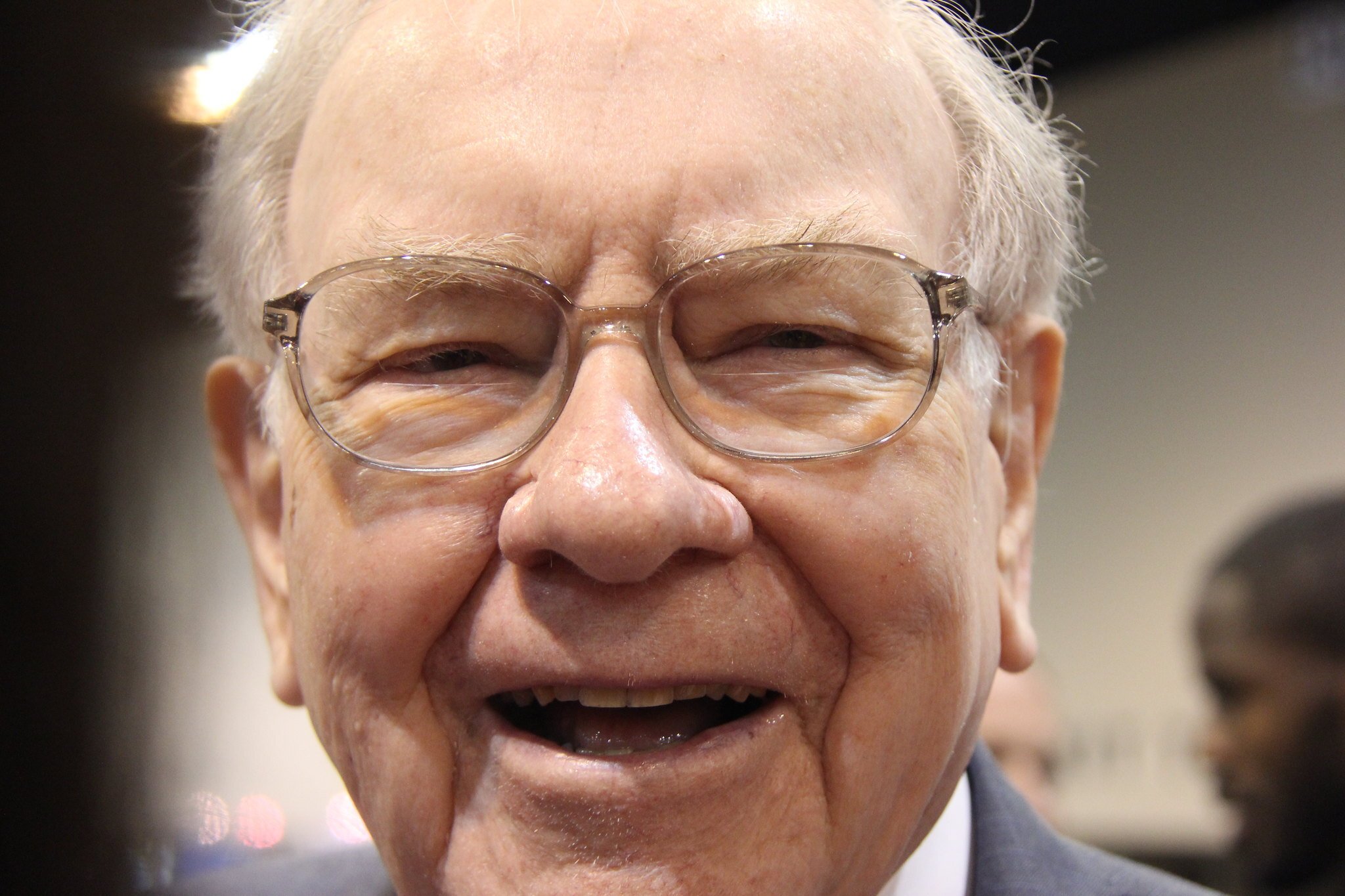
Did you know that Sirius XM's largest shareholder is Berkshire Hathaway? Warren Buffett might not listen to a lot of satellite radio, but he has known media mogul John Malone a long time. He even once called Malone the most brilliant businessman that he has ever met.
When Malone took a shine to satellite radio -- eventually acquiring a controlling stake in the business -- Berkshire Hathaway began adding Malone's tracking shares to its portfolio. When Malone converted those tracking shares into common stock, Berkshire Hathaway became the radio operator's largest shareholder. It has added to its position in recent years, currently owning 37.1% of Sirius XM.
Buffett retired last month, but Sirius XM has many of the moneymaking and undervalued properties that drive Berkshire Hathaway's investing approach. There is validation in Berkshire Hathaway buying in the last two years, even as the market has been selling.
5. The stock is cheap
With the market zigging, Sirius XM is zagging. Interest rates are moving lower, as its yield is inching higher. In a market moving higher, Sirius XM's stock is getting lower and its valuation that much more compelling.
Sirius XM is trading at a forward P/E of just 6.5. This is a cheap multiple in any environment, but what if I told you that analysts see revenue and earnings inching higher in 2026? It will take several things outside of its domain to truly bounce back. It needs a healthy economy and growing new auto sales to be at its best, but even at its worst, it's not too shabby.