As Fed rate decisions days go, this one was relatively mild. The Federal Open Market Committee (FOMC) elected to keep the Fed funds rate at 3.5%-3.75% on Wednesday afternoon, and stock indexes barely flinched at the news. The S&P 500 (^GSPC 0.01%) finished the session essentially flat, down 0.01%.
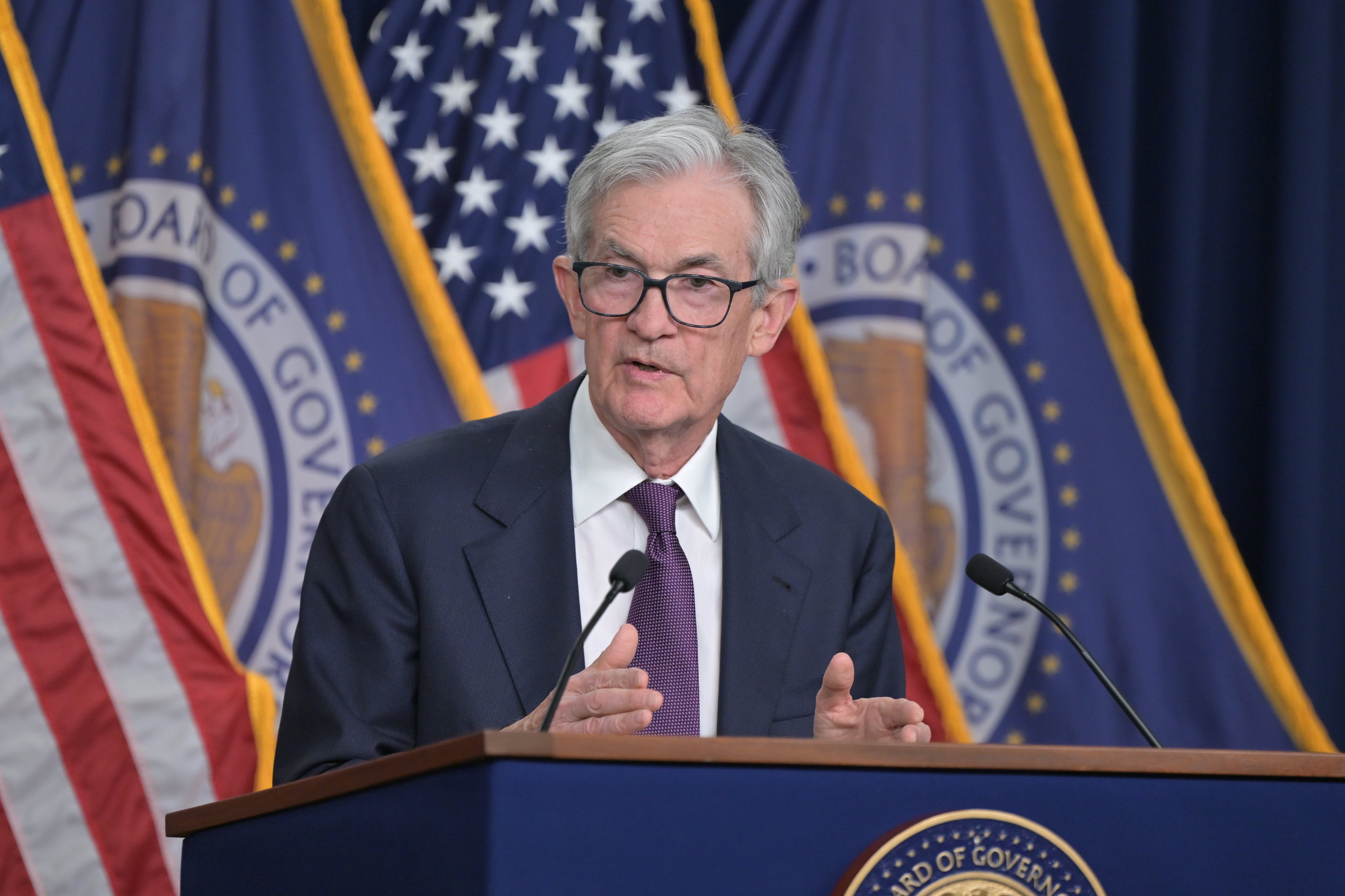
However, Fed rate decision days are known as much for Chair Jerome Powell's press conferences as they are for the decision itself, as investors use the opportunity to glean any insights into the economy from the Fed chief.
This time around, Powell struck a mostly optimistic tone, telling the audience that major risks in the economy had eased. Let's take a look at what he said and what it means for investors.
Image source: Getty Images.
What Jerome Powell thinks of the economy
Perhaps, Powell's most telling assessment of the economy was, "I would say that the upside risks to inflation and the downside risks to employment have diminished, but they still exist."
Last year, with the implementation of tariffs and a weakening labor market, the Fed was faced with the risk of a potentially stagflationary environment with rising inflation and unemployment. As Powell sees it, that risk has meaningfully cooled. Regarding the labor market, he noted that indicators suggest that conditions were stabilizing after a period of softening, as the unemployment rate has held around 4.4% in recent months.
He also seemed to think the impact of tariffs, which were a huge concern for investors at one point last year, had mostly been absorbed, though he said tariffs were keeping inflation in goods above the Fed's goal of 2%, while services inflation had begun to come down. He expects the effect of tariffs on prices to soon peak and then start to fall.
The Fed Chair also seemed relatively upbeat on the labor market, noting that immigration restrictions may have driven down job growth as both supply and demand for labor have come down, possibly explaining weak job growth.
Finally, he also noted that consumer spending overall has been good, according to the data, despite weak consumer confidence reports.
Why it's good news for investors
Stock market investors generally prefer for interest rates to be falling as that tends to favor stocks over bonds and makes it easier for companies to borrow money.
However, recessionary conditions are often the trigger for rate cuts, which tend to push stocks lower.
The biggest risk to the economy has appeared to be a weak labor market and poor consumer discretionary spending, as a number of retailers have referenced, but according to Powell, those problems may not be as bad as they appear.
If the economy can remain stable and continue growing this year, the stock market, with the help of the AI boom, looks poised to keep rising.