Microsoft (MSFT 0.78%) has been in the driver's seat of the AI boom ever since it started with the launch of ChatGPT.
The tech giant wisely began partnering with OpenAI when the company was in its infancy, investing $1 billion in the start-up in 2019, and plowing another $10 billion into the company in 2023 shortly after the launch of ChatGPT. After OpenAI restructured, Microsoft now owns a 27% stake in the start-up, valued at $135 billion.
Between that and the strong growth of Azure, Microsoft's cloud computing division, the tech giant has been seen as a winner in AI, but that may be changing after its latest earnings report. Microsoft's stock tumbled by double digits as investors were skeptical of the company's capital expenditure plans and as it forecast slower growth and lower margins ahead. As a result, Microsoft is now trading at an 8-month low.
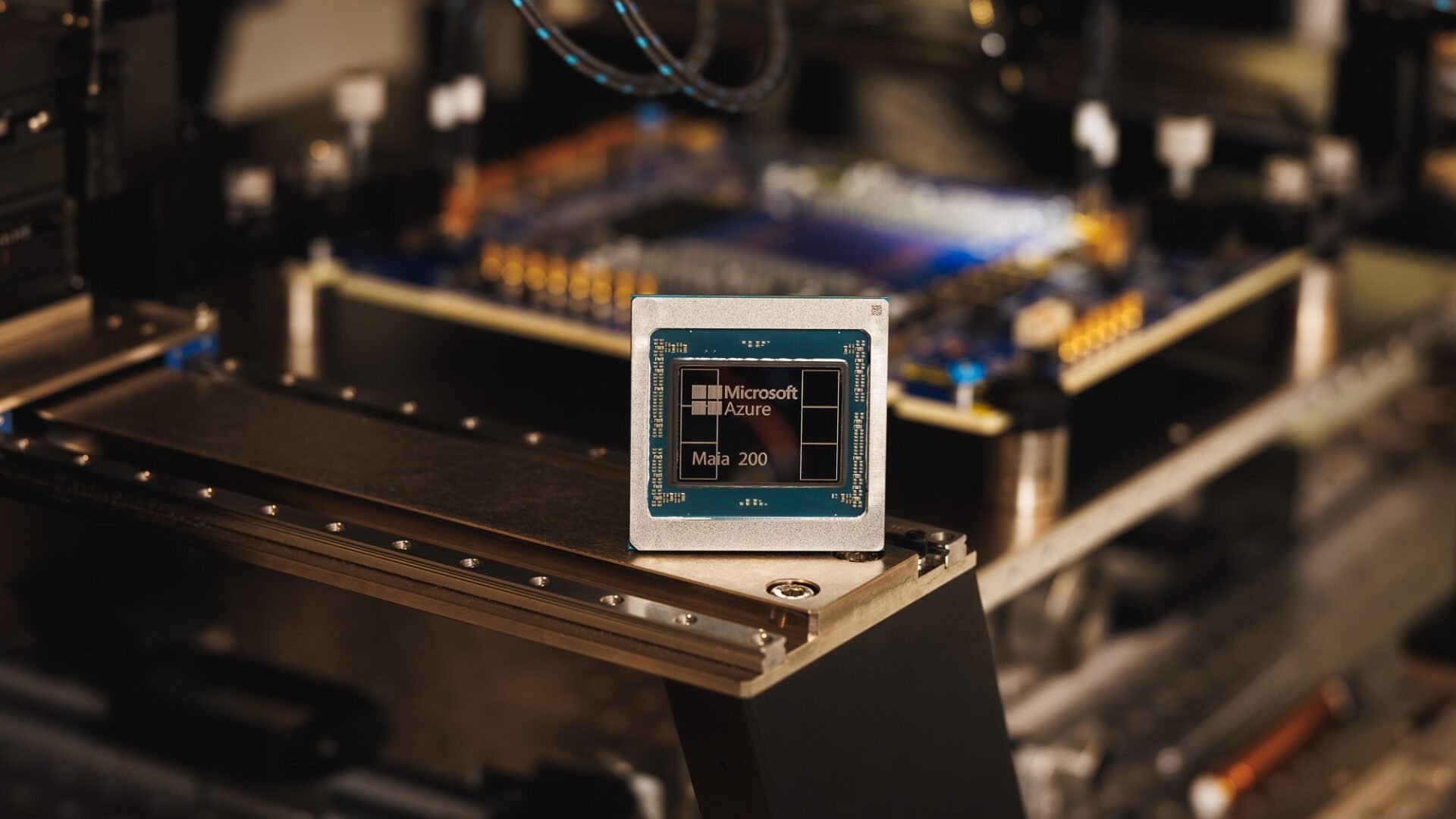
Image source: Microsoft.
Why Microsoft is down
On the surface, Microsoft's fiscal second-quarter results weren't bad. In fact, the company beat the analyst consensus on the top and bottom lines on solid growth across the board.
Revenue jumped 17% to $81.3 billion and operating income soared 21% to $38.3 billion, giving it an operating margin of 47%. Adjusted earnings per share increased 24% to $4.14. Revenue from Azure, where much of its AI investments are focused, was up 39%, driving revenue in the intelligent cloud segment to $32.9 billion.
However, investors seemed disappointed with flat sequential revenue guidance for the third quarter, calling for $80.65 billion-$81.75 billion in revenue, up 15%-17% due to slowing growth in its consumer businesses. It forecast 22%-23% growth in cost of goods sold, which is likely to weigh on margins, and said capital expenditures would decrease sequentially due to normal variability.
Overall, there wasn't anything particularly alarming in the outlook, though free cash flow is declining as it ramps up capex, and it's seeing slower growth in the consumer business, which may be due to macro factors. The company also said it continued to be capacity-constrained in the cloud, explaining the ongoing capex spending. Its remaining performance obligations (RPO), or backlog, rose to $625 billion, a positive sign for future demand.
Overall, the double-digit sell-off wiped off more than $400 billion from the company's market cap, which seems excessive.

NASDAQ: MSFT
Key Data Points
Is Microsoft a buy?
Microsoft stock had been struggling coming into the report as investors seem to be questioning its AI strategy and are mindful of the risk of a bubble in the sector. The stock is now down more than 20% from its peak last October.
That sell-off seems overdone as the tech giant is still expected to deliver mid-to-high-teens revenue growth over the coming quarters and its price-to-earnings ratio is down to 25 based on fiscal 2026 estimates, making it cheaper than the S&P 500.
Microsoft still enjoys a number of competitive advantages, and Azure is posting impressive growth, forecast at 37%-38% for the current quarter. The worries here seem overblown. At the current valuation, the stock looks like a strong buy.