What goes up can come down. We saw that axiom play out in a big way last week. Shares of the iShares Silver Trust (SLV 3.98%) exchange-traded fund (ETF) had skyrocketed 277% higher over the previous 12 months as of Thursday, Jan. 29, 2026.
Then the bottom fell out. This high-flying ETF plunged nearly 30% on Friday, the last trading day of January.
However, the opposite of the aforementioned adage is also true: What comes down can go back up. Should you buy the iShares Silver Trust ETF after its steep sell-off?

NYSEMKT: SLV
Key Data Points
Behind silver's plunge
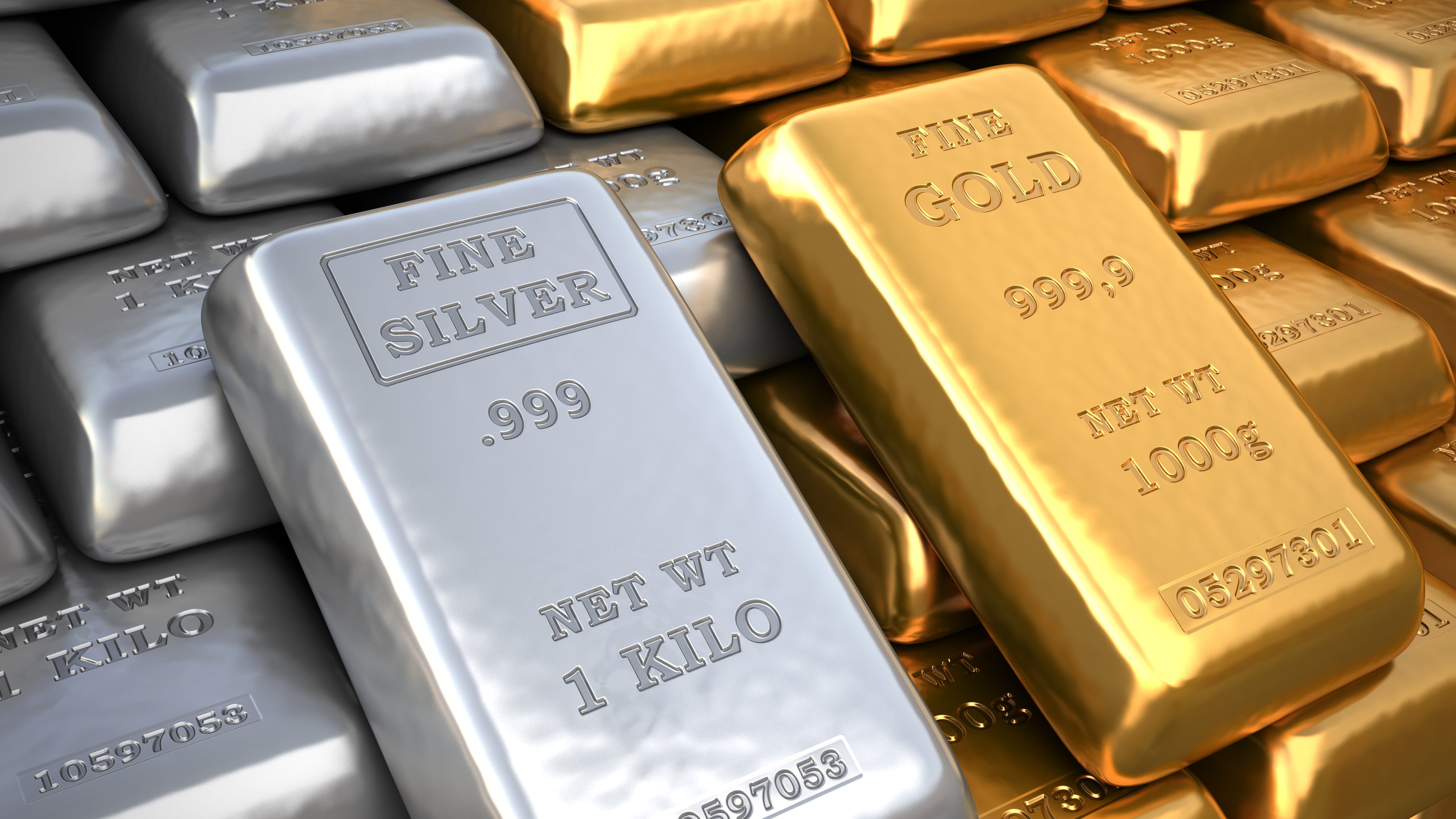
The iShares Silver Trust provides retail investors with an easy way to gain access to physical silver. This ETF tracks the daily price fluctuations in silver. As silver prices soared in recent months, so did the iShares Silver Trust's share price.
However, some argued that silver's momentum (and, by extension, that of the iShares Silver Trust) had gone too far. For example, JP Morgan (JPM +0.75%) analysts wrote shortly before last week's meltdown that silver futures were heavily overbought. Maximilian Tomei with Galena Asset Management recently warned, "The way silver is behaving is exaggerated. It's a series of disconnects. The market is broken."
Indeed, investors who use technical analysis could have easily identified that both silver prices and the iShares Silver Trust showed signs of a classic "blow-off top" -- a pattern in which prices rise parabolically but then collapse. Before last week's plunge, the iShares Silver Trust was more than 100% above its 200-day moving average, a signal often associated with a blow-off top.
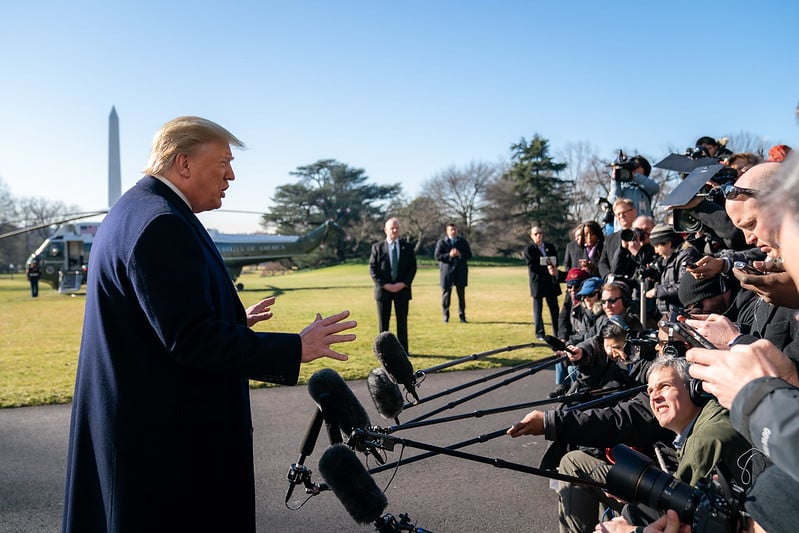
But another factor also contributed to the significant decline. President Trump announced on Friday that he was nominating Kevin Warsh to replace Jerome Powell as chairman of the Federal Reserve. Many investors saw Warsh's selection as a signal that the Fed's independence would be preserved.
Both silver and gold prices had run up in part because the commodities are widely viewed as safe havens. With fears about the Fed running amok waning following Trump's announcement about Warsh, some saw an opportunity to take profits off the table with silver and gold. The early selling quickly accelerated into a broader sell-off.
Image source: Getty Images.
Beyond bullion
However, silver has moved beyond being just bullion. In November 2025, the U.S. Department of the Interior designated silver as a "critical mineral" that is "vital to the U.S. economy and national security." Why? Primarily because silver is used in data centers that host artificial intelligence (AI) systems. With the continued boom in data center construction, demand for silver is likely to increase significantly over the next five years.
In addition, the European Union has mandated that all new buildings be equipped with solar panels beginning later this year. The average solar panel uses around 20 grams of silver. Even in the U.S., where the Trump administration has deemphasized renewable energy, solar power is expected to be the primary driver of electricity generation through 2027.
Meanwhile, silver supply isn't keeping up with demand. 2025 marked the fifth consecutive year of a global silver shortage.
Hi-ho, silver, away?
Does the sharp decline of the iShares Silver Trust offer an excellent opportunity for forward-looking investors to buy on the dip? Maybe.
This ETF, like silver itself, was due for a significant pullback. However, a rebound could be on the way. Citigroup (C +1.01%) recently projected that silver prices could reach $150 per ounce over the next three months. The price of silver was below $82 per ounce after last week's sell-off.
Both silver and the iShares Silver Trust could remain highly volatile. There's no guarantee that prices will bounce back anytime soon. For aggressive investors, though, silver's market dynamics make it more than just a meme play.