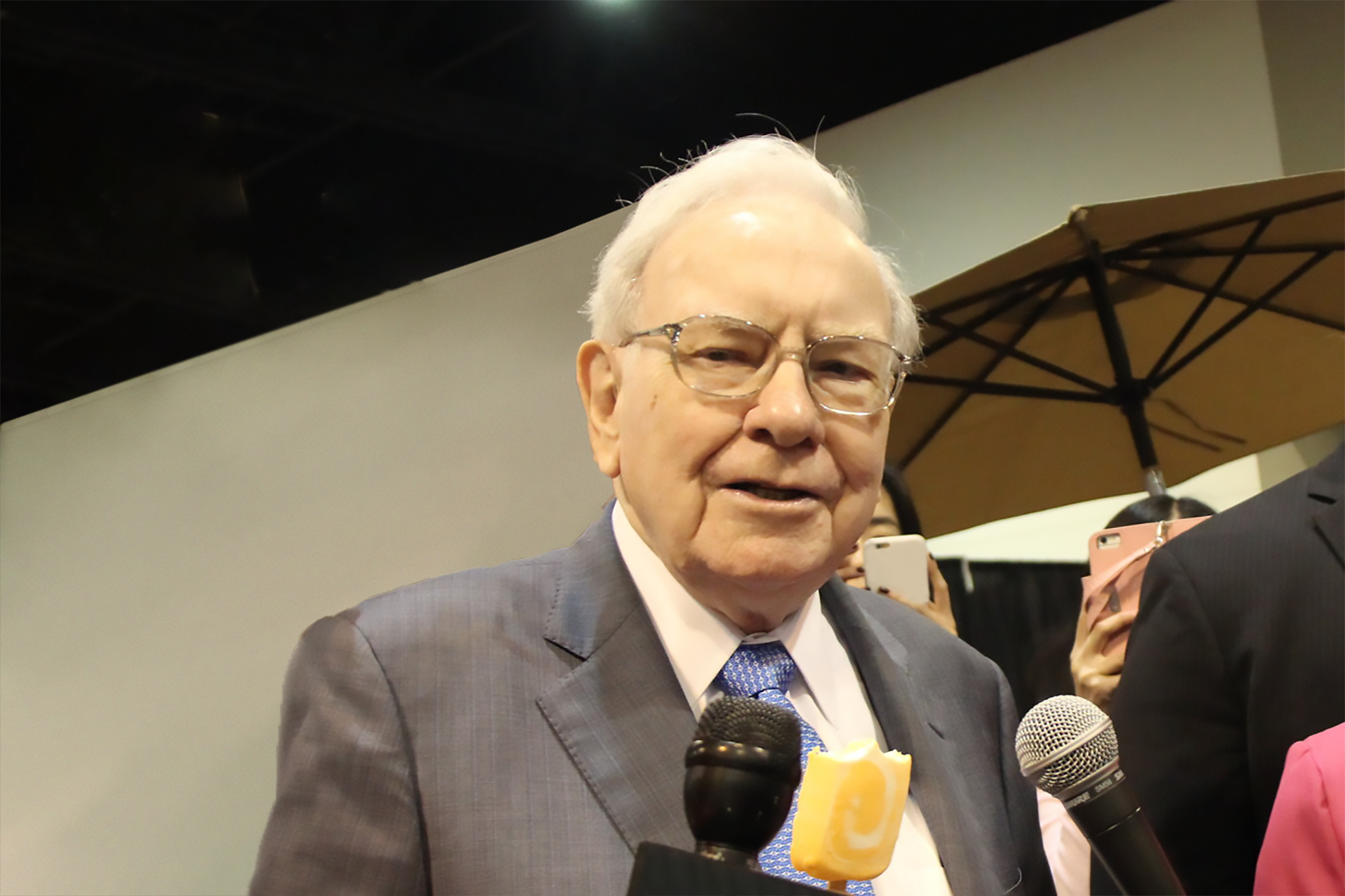
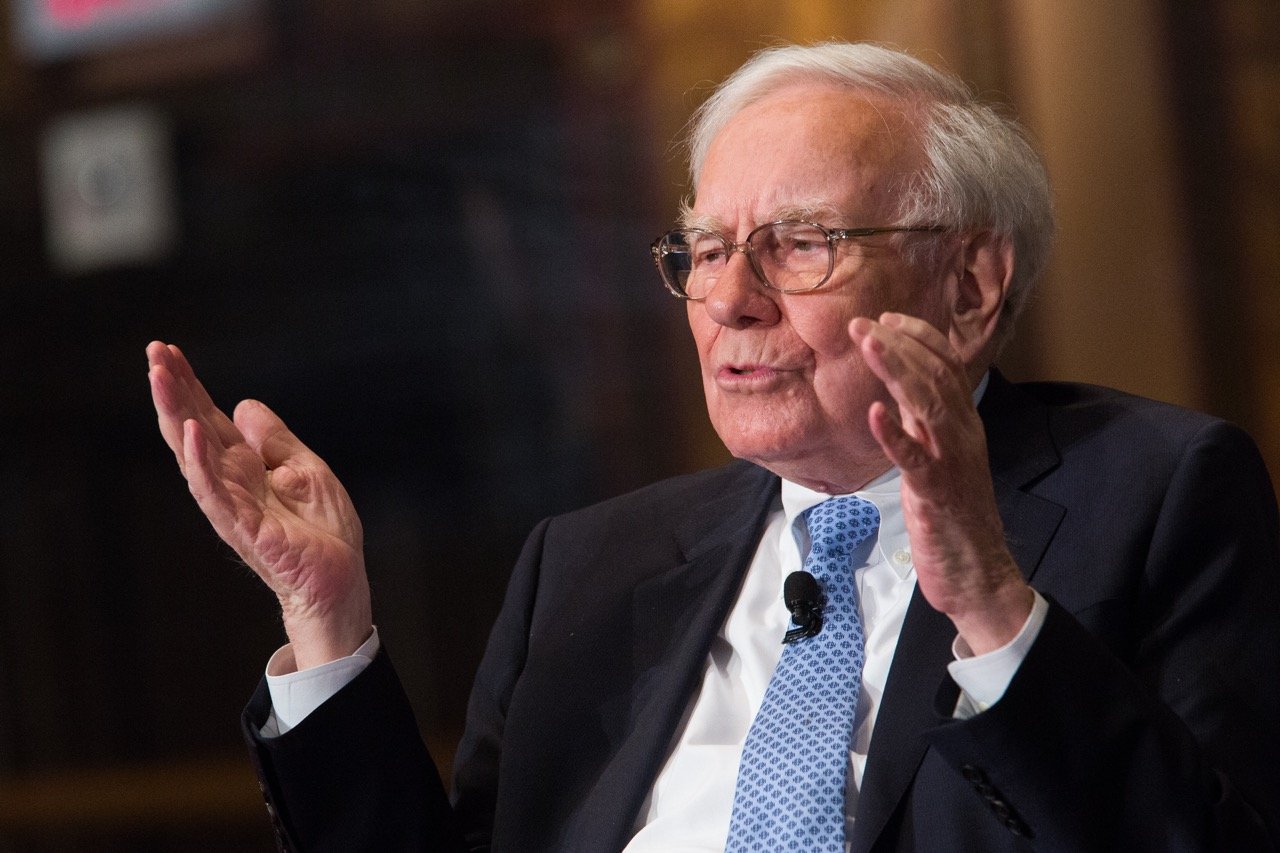
Warren Buffett stepped down as chief executive officer of Berkshire Hathaway (BRK.A +0.76%) (BRK.B +0.68%) after more than 65 years in charge of the company. He transformed the failing textile business into a wide-ranging conglomerate with a broad portfolio of wholly owned subsidiaries and a sizable set of stakes in other publicly traded companies.
While Buffett is often quoted as saying his favorite holding period is "forever," the reality is that he often buys and sells shares in the marketable equity portfolio as valuations present opportunities to take gains or buy bargains. In the three years before his retirement at the end of 2025, Buffett was a net seller of stocks in every quarter. In the third quarter of last year, he continued to sell stocks and pile into a single high-yield investment, instead.
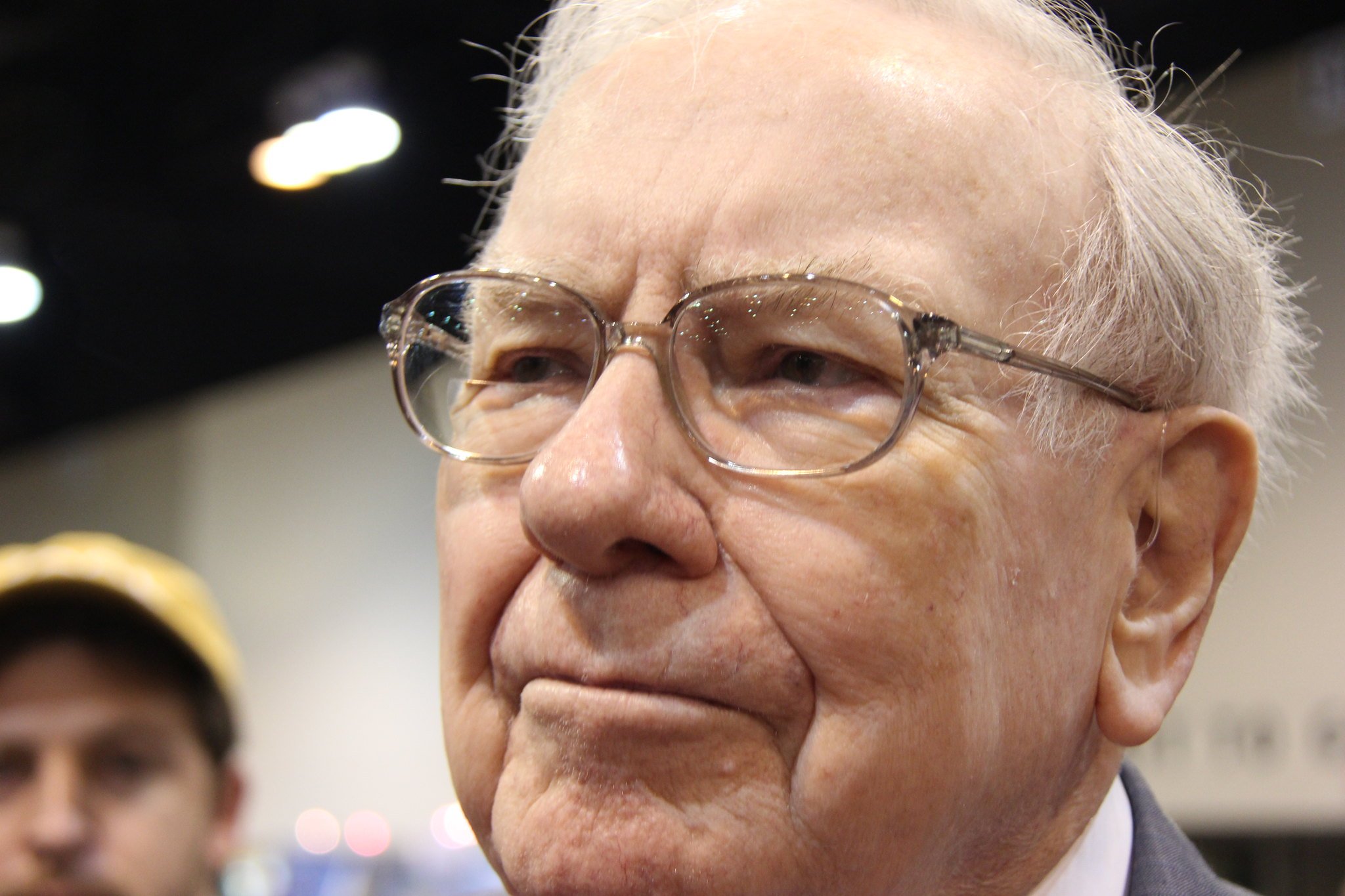
Image source: The Motley Fool.
The six stocks Buffett sold
Berkshire Hathaway's most recent round of stock sales totaled $12.5 billion, according to the company's third-quarter cash flow statement. Investors had to wait until the company filed form 13F with the Securities and Exchange Commission (SEC) to find out exactly what stocks Buffett and his team had been selling. The report revealed six stocks on the chopping block.
- Apple (AAPL -0.84%)
- Bank of America (BAC -1.35%)
- Verisign (VRSN +1.71%)
- DaVita (DVA +0.82%)
- D.R. Horton
- Nucor
Buffett has been trimming Berkshire's stakes in Apple and Bank of America for several quarters. The biggest reason appears to be the valuation of both stocks.
Apple has seen its stock price soar the past few years, despite relatively slow revenue growth. It's a huge cash-generating machine that returns tons of capital to shareholders through dividends and share repurchases, but its stock currently trades at the same price-to-earnings ratio (P/E) as faster growing tech companies.

NASDAQ: AAPL
Key Data Points
Likewise, Bank of America has seen its share price climb considerably from the level at which Buffett initially bought shares. The bank stock's price approached twice the company's tangible book value by the end of 2025.
It reached that valuation in 2021 and 2022, before the Federal Reserve started raising interest rates. As net interest income recovers, investors may have gotten ahead of themselves in bidding up the value of the bank stock's current assets.
Buffett's decision to sell Verisign, the internet infrastructure company with exclusive rights to register .com and .net domain names, is unique. The sale put Berkshire's stake in the business below 10%, the threshold at which the SEC requires owners to disclose each individual purchase or sale of a stock. At the same time, Berkshire agreed not to sell any of its remaining stake in the business for at least one year.

NASDAQ: VRSN
Key Data Points
Berkshire's sale of DaVita, which operates a change of dialysis clinics, is tied to an agreement to sell back its shares to the company as part of DaVita's share-repurchase program. Berkshire's stake in the business is effectively capped at 45%. The sale doesn't reflect a change of heart on the stock, which has declined in price (and valuation) during the past year.
Buffett did use some of the proceeds from Berkshire's share sales to buy a handful of other stocks. But one high-yield security stands out as the largest purchase, by far.
Where Buffett put Berkshire's cash
Berkshire Hathaway spent nearly $6.4 billion buying equities in the third quarter, but Buffett added $9.9 billion to the only short-term investment on Berkshire's balance sheet: U.S. Treasury Bills.
Despite the Federal Reserve's rate-cutting cycle, three-month T-bills yield about 3.7%. That's not the highest yield you can find for securities, but T-bills have a few advantages that make them very attractive for Buffett.
First, they're backed by the full faith and credit of the U.S. government. You can be relatively certain that you will get your money back on your investment.
Second, short-term Treasury bills don't face the same interest-rate risk as longer-duration bonds, whose prices are more sensitive to changes in interest rates and inflation expectations. Buffett learned a hard lesson in the 1970s investing in 15-year bonds, and now he sticks to bonds maturing in six months or less.
As he wrote in the third-quarter earnings release, "We continue to believe that maintaining ample liquidity is paramount and insist on safety over yield with respect to short-term investments." The good news is T-bills currently offer fairly competitive yields. Ten-year government notes currently yield just 50 to 60 more basis points.

NYSE: BRK.B
Key Data Points
Treasury bills are often considered cash equivalents. Berkshire even includes T-bills maturing within three months as cash on its balance sheet.
After the most recent changes to Berkshire's portfolio, it's now sitting on one of the largest cash allocations in its history. T-bills and cash now make up about a third of the entire value of the company. That speaks to Buffett's concerns about the valuation of most stocks in the current market.
However, it's much harder for Berkshire Hathaway to find a good investment opportunity than a small investor. Berkshire is looking to deploy hundreds of millions of dollars at a minimum to an investment. Preferably, it could spend tens of billions. That severely limits the universe of investable assets for the conglomerate.
Individual investors may want to increase their cash holdings in the current market, trimming overvalued stocks from their portfolio. However, there are many more opportunities among small- and mid-cap stocks that present great value for individual investors. The severe tilt toward cash that Berkshire currently exhibits may not be what's best for average investors.