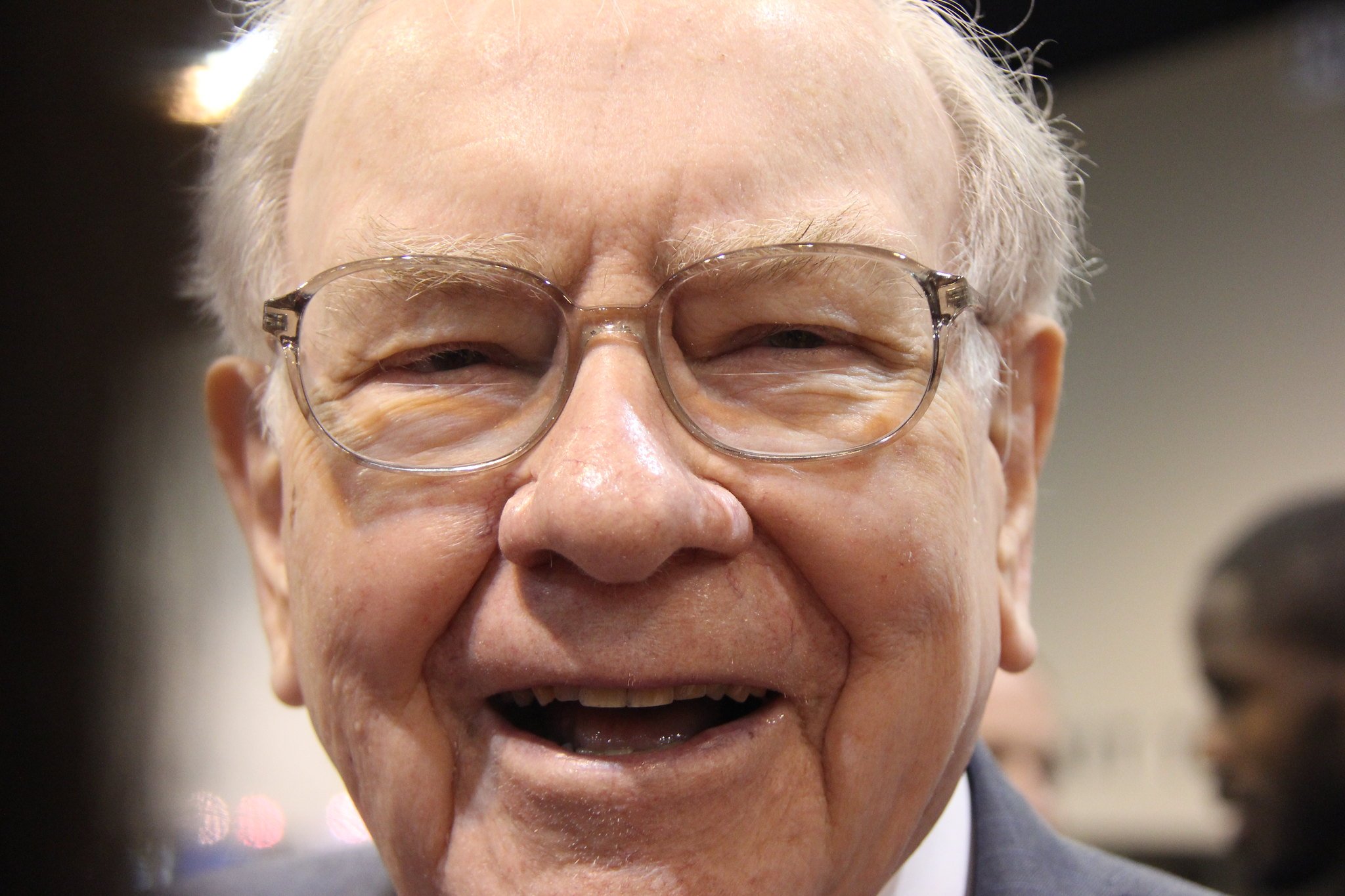
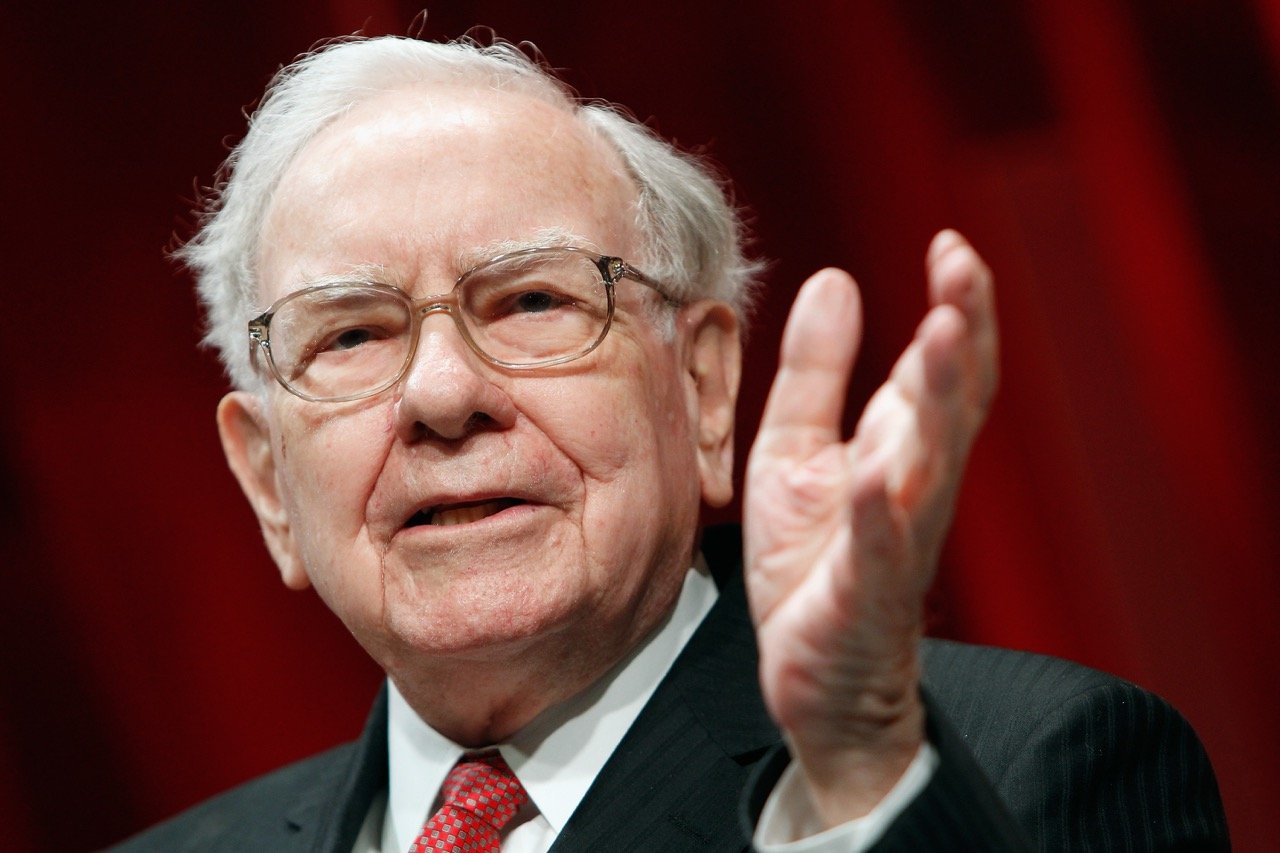
It's hard to find a track record of performance that matches what Warren Buffett did at Berkshire Hathaway (BRK.A +0.97%) (BRK.B +0.89%). Taking a dying textile business and choosing it as the holding company for what is now a vast empire of all different kinds of enterprises might not have seemed like a likely recipe for success, but that didn't stop Buffett from turning Berkshire into a trillion-dollar market cap stock.
The Voyager Portfolio has the stretch goal of coming even close to what Buffett achieved over a long period of time. In order to learn everything that Berkshire has to offer as a case study in investing success, though, you have to look at the company's history and some of the key decisions that Buffett made leading the way. That's what this first article in a three-part series on Berkshire Hathaway will talk about.
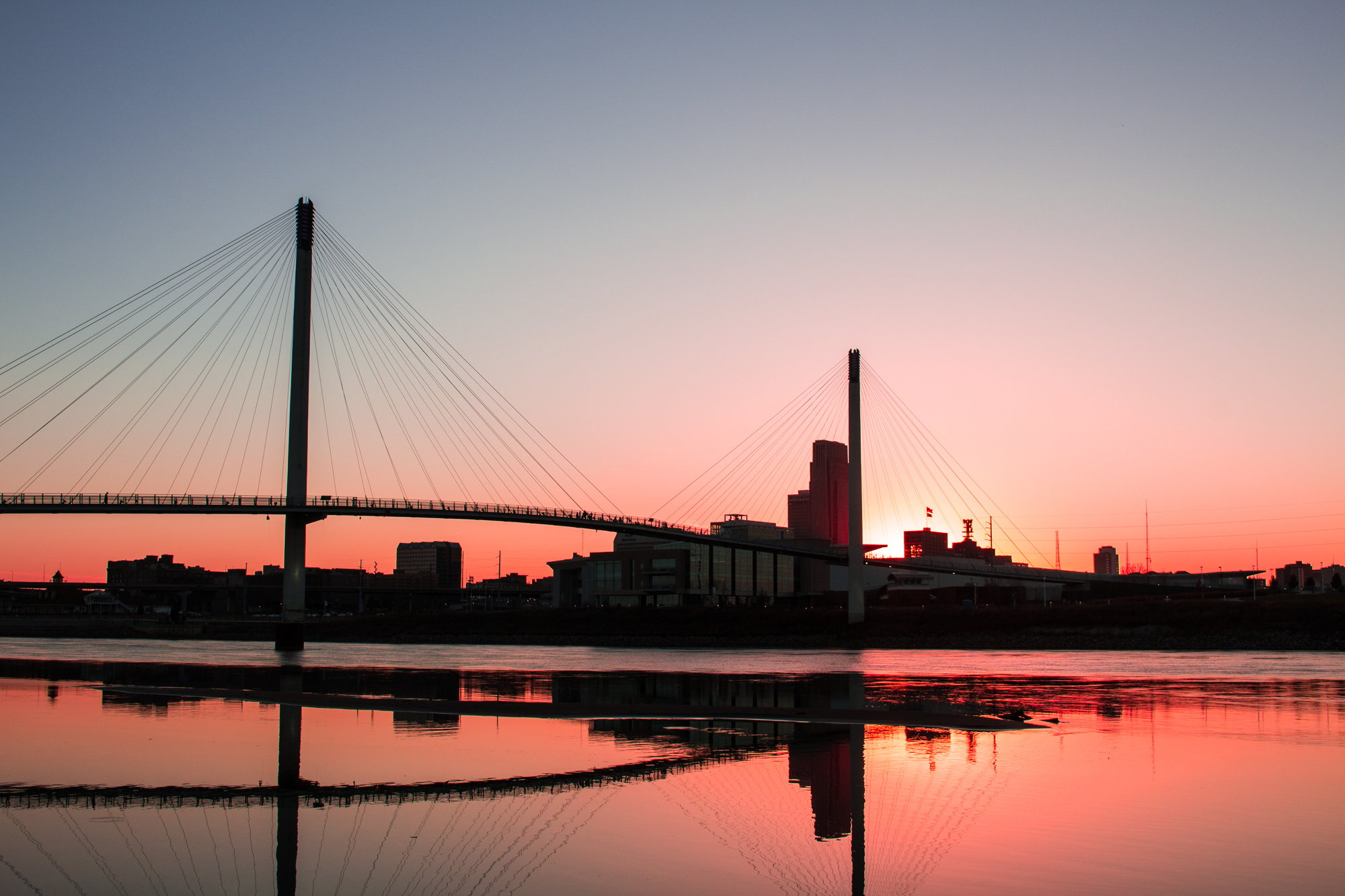
The Kerrey Bridge spans the Missouri River in Omaha, site of Berkshire Hathaway's headquarters. Image source: Getty Images.
Using insurance to gather capital, and then investing it
Perhaps the most important decision that Buffett made was acquiring substantial holdings in the insurance industry. In insurance, companies write policies and receive premium payments upfront, but they don't have to pay out on claims until later. That gave Buffett a period of time in which to invest, and rather than choosing fixed-income securities like bonds, Berkshire chose high-quality stocks.
Some of those holdings are still part of the portfolio. American Express (AXP +0.33%) was an early investment, and Buffett has largely left that stake untouched. Coca-Cola (KO +0.32%) came later, but the stock has performed well over time, and you can still count on seeing red Coke cans at annual shareholder meetings.
Turning optimism into great deals
Buffett has always been bullish on the U.S., seeing it as the engine of prosperity for millions of investors. Even during times of great uncertainty, Buffett has been unwaveringly positive in his views for the country. Moreover, he hasn't been afraid to put Berkshire's money where his mouth is, and that has resulted in some investment opportunities that have panned out particularly well.
During the financial crisis, Buffett was steadfast in his belief that the global financial system wouldn't collapse. Berkshire did its part, offering financing to ailing companies including Goldman Sachs (GS +1.44%) and what is now GE Aerospace (GE +0.84%) at extremely good terms. Berkshire received preferred stock that paid exceptional dividends, along with warrants to purchase additional shares later. When those companies rebounded, Buffett reaped the rewards. Yet Berkshire was able to do a very similar deal with Bank of America (BAC +1.32%) a few years later, enjoying the same extensive profits once the banking giant bounced back.

NYSE: BRK.B
Key Data Points
Finding value even in tech
Warren Buffett was slow to invest in tech stocks, avoiding them during the 1990s bull market and therefore missing the fallout from the tech bust in the early 2000s. Yet that didn't stop the former Berkshire CEO from finding opportunities in tech when the time was right.
The best example was Berkshire's mid-2010s investment in Apple (AAPL -1.11%). At the time, many shareholders were dubious that the company would be able to continue to generate impressive revenue and profits indefinitely from its iPhone line, and they were concerned that CEO Tim Cook wouldn't be able to follow in the innovation-first footsteps of his predecessor, Steve Jobs. Buffett was able to buy Apple shares at earnings multiples in the teens, and the subsequent explosive move higher in sales that resulted from embracing new products and services led to a big payoff.
Berkshire has been trimming its Apple stake, but it's also investing now in internet search giant Alphabet (GOOGL +0.97%) (GOOG +0.87%). The AI aspirations of the company's Google division are turning into strong demand, and what was once seen as a down-and-out also ran has now come to the forefront as a tech leader.
Turning smart decisions into cash
Berkshire has been a great investment because Buffett has been able to make decisions that have kept its own financial position strong. The next article in this three-part series looks more closely at Berkshire's financial success.