Eli Lilly (LLY 2.35%) stock soared 10% in one trading session this week, sparked by a strong earnings report. And the pharma giant's gains may be far from over. The company has been offering investors the best of both worlds in recent years: the "safety" pharma stocks are generally known for, along with a great deal of growth.
How is Lilly doing this? The company has a vast portfolio of commercialized products, and this makes it a safe investment over time as patients need their medicines regardless of the economic environment. As for growth, Lilly has become a leader in the weight loss drug market, a market analysts expect to reach nearly $100 billion by the end of the decade.
This has driven enormous gains in Lilly's stock price -- it's advanced 220% over three years -- as revenue has climbed. And just recently, this pharma powerhouse delivered fantastic news to shareholders.

Image source: Getty Images.
Lilly's weight loss drugs
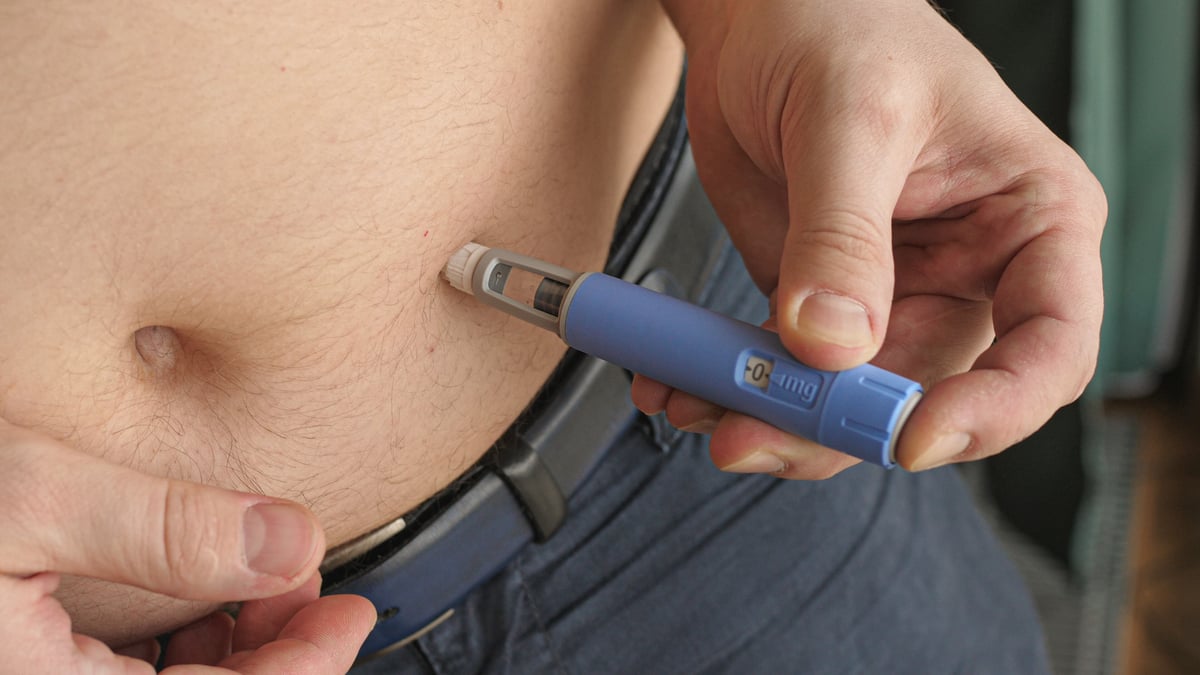
Before diving in, though, let's take a close look at Lilly's crown jewel: its weight loss portfolio. Lilly sells two drugs that have been making headlines thanks to their ability to help people lose weight. They are Mounjaro and Zepbound, the commercial names for tirzepatide. Regulators approved Mounjaro for type 2 diabetes back in 2022, but doctors have also prescribed it off-label for weight loss. Zepbound won approval specifically for the weight loss indication in 2023.
Together, these products have driven tremendous growth at Lilly. For example, in the recent quarter, they brought in more than $11 billion for the pharma giant. Mounjaro's revenue surged 110%, and Zepbound's revenue soared 123%, the company announced this week.
These blockbusters are part of a category known as GLP-1 drugs, and they act on hormones involved in the digestion process to control blood sugar levels and appetite. The company competes against Novo Nordisk, which sells semaglutide, commercialized as Ozempic for type 2 diabetes and Wegovy for weight loss.
Now, let's consider the fantastic news Lilly recently delivered to shareholders. Late last year, Lilly struck a landmark drug pricing deal with President Donald Trump, agreeing to lower the prices of its weight loss drugs for Medicare beneficiaries. As early as April of this year, Medicare will start to cover weight loss drugs for the first time.

NYSE: LLY
Key Data Points
The impact of Medicare coverage
A lower price could clearly weigh on growth, but, in a recent interview with CNBC, Lilly chief Dave Ricks said Medicare coverage could greatly increase the number of potential patients for GLP-1 drugs. He estimates that as many as 30 million people may be eligible for the treatments.
So, volume growth could compensate for pricing declines. Of course, in order for this to happen, Medicare patients will have to decide to take a weight loss treatment, and doctors will have to choose a Lilly drug. There's reason to be optimistic about this. In recent years, pricing has been a key factor for many potential patients, so Medicare coverage may be the catalyst to bring them on board. And Lilly already roared past Novo when it comes to market share -- it now holds 60% of the market. This suggests doctors are confident and ready to continue prescribing Lilly's drugs.
A potential approval ahead
On top of this, another possible happening a few months from now could boost Lilly's weight loss portfolio. And that's the potential approval of its weight loss pill, orforglipron. Regulators are reviewing the candidate right now, and according to a Reuters report, they're set to decide on orforglipron by April 10 at the latest.
Commercialized GLP-1 drugs have been injectables until the recent approval of Novo's oral semaglutide -- but orforglipron may stand out as it doesn't require dietary restrictions. This could offer orforglipron an advantage, especially since those who opt for a pill generally are looking for convenience.
So, though Lilly may see some negative impact from the lowering of prices, volume growth could compensate -- and even drive additional growth over the long term. All of this means that the company's growth story may be about to enter a new chapter, and that's fantastic news for shareholders.