While Tesla (TSLA 2.15%) remains a battleground stock on Wall Street, one analyst is growing increasingly optimistic about the company's burgeoning robotaxi fleet. Wolfe Research analyst Emmanuel Rosner recently issued a research note, calling 2026 a potentially "catalyst-rich year" for Tesla.
Rosner said his model projects robotaxi revenue growing to $250 billion by 2035, assuming 30% autonomous vehicle penetration, Tesla gobbling up 50% market share, and a $1-per-mile model input. This would support a $2.75 trillion equity value, which would be about $900 billion when discounted back to the present and equal $250 per share for the unit
"Optimus and FSD (full self-driving) licensing would support even additional upside," Rosner added. While the note is optimistic on robotaxis, here are two things to know.
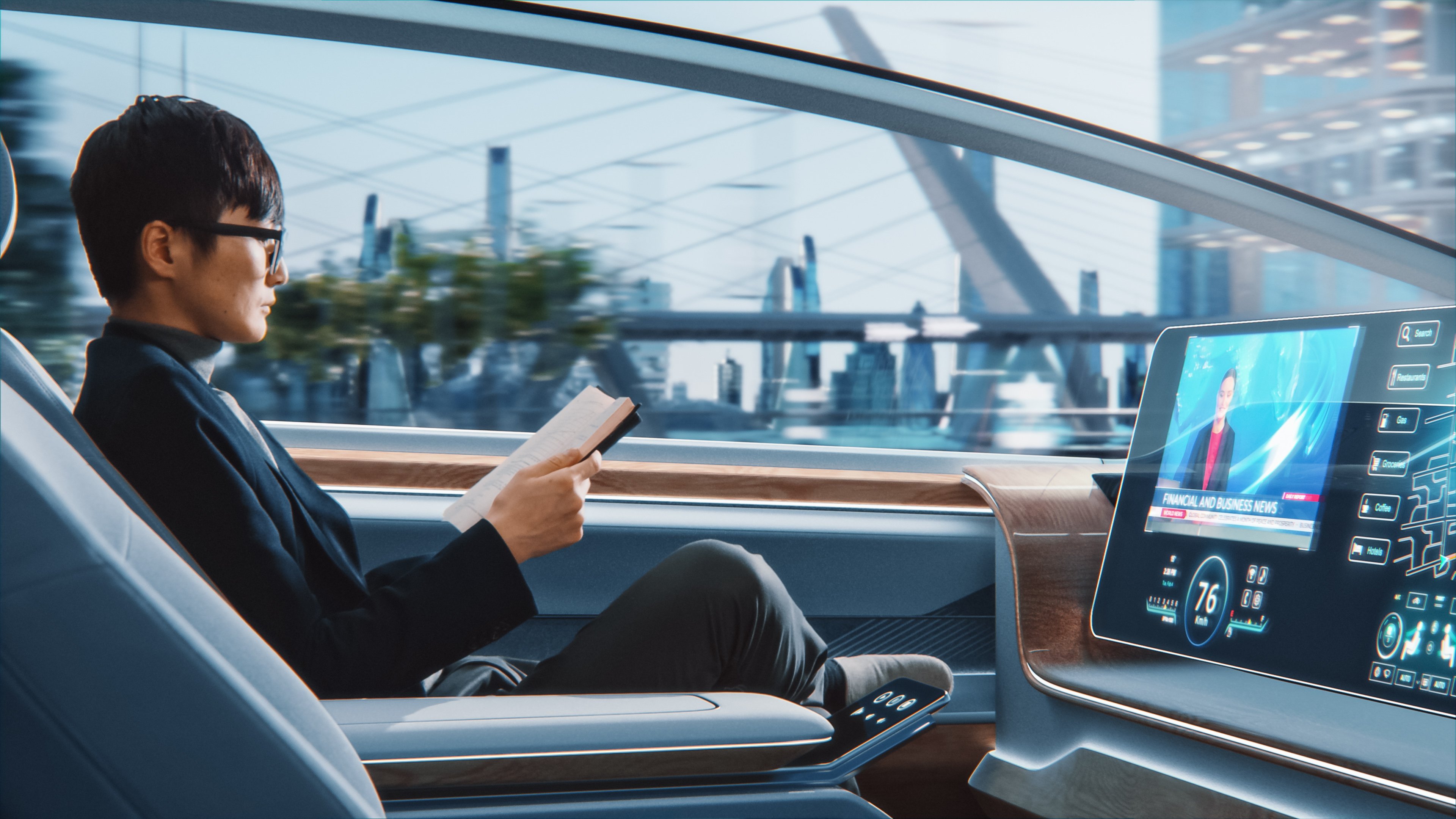
Image source: Getty Images.
Understanding Tesla's current position and valuation
Rosner splashed some cold water on Tesla stock later in his note. The analyst expects Tesla to incur high costs to build out the robotaxi fleet and the Optimus humanoid robots. This will likely have an adverse impact on the company's earnings in the near term.
Rosner expects Tesla to launch robotaxis in seven new markets in the first half of this year, and that losses from the robotaxi business will mount to $500 million, as the company grows its fleet from about 250 vehicles to 7,200.
"... While we have concerns on near-term earnings, we remain tactically constructive, with a steady stream of catalysts ahead," Rosner wrote.

NASDAQ: TSLA
Key Data Points
Another thing investors should understand is that the company already has a $1.25 trillion market cap, despite its core electric vehicle business struggling in a difficult EV market and the expiration of incentives in the U.S., such as a $7,500 federal tax credit. Yet, the stock trades at about 192 times forward earnings.
This tells me that Tesla's stock price is already baking in a certain amount of success from robotaxis and perhaps Optimus as well. Investors tend to assign Tesla's stock a big premium, partly because CEO Elon Musk has a strong following and partly because autonomous driving is expected to be a large new sector. Tesla appears to have a first-mover advantage, which should allow it to snap up market share quickly.
However, the risk is that the company runs into one or more roadblocks stemming from factors such as competition, building a large robotaxi fleet, successfully transitioning all of its robotaxis to fully unsupervised self-driving, or regulatory issues. That's why I am also cautious about the name right now.