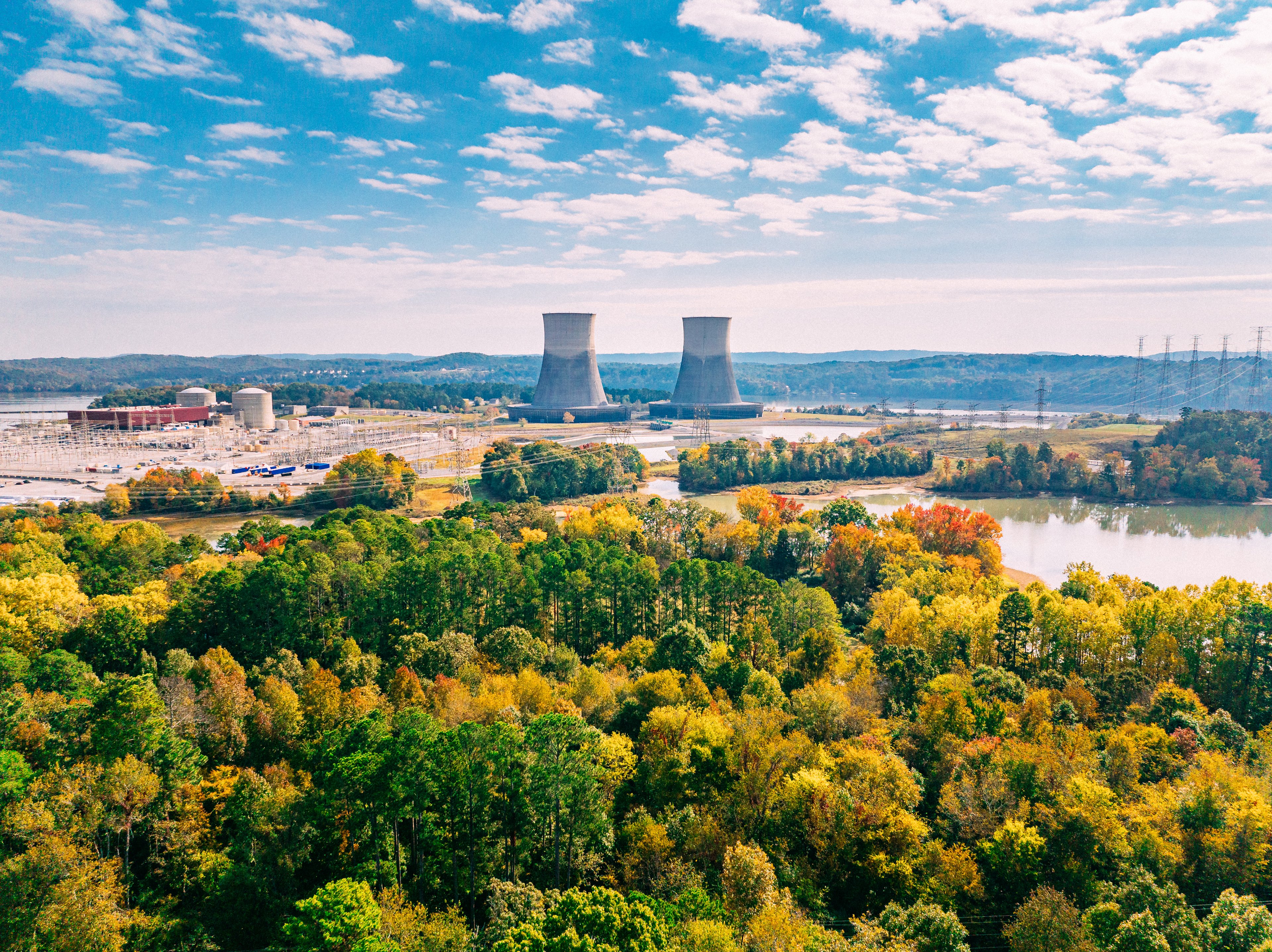
Back in 2011, the Fukushima disaster drove many countries to rein in their nuclear expansion plans. That slowdown, which lasted for about a decade, crushed many nuclear energy stocks.
Yet over the past few years, the nuclear energy market has recovered as the power-hungry cloud and AI markets expanded, companies launched safer, more advanced reactors, and countries launched new decarbonization initiatives.

Image source: Getty Images.
According to the International Atomic Energy Agency (IAEA), the world's nuclear capacity could still expand by up to 2.6 times from 2024 to 2050 -- so it might be the right time to accumulate two of the industry's most promising stocks: Cameco (CCJ -0.06%) and NuScale (SMR -0.59%).
Cameco
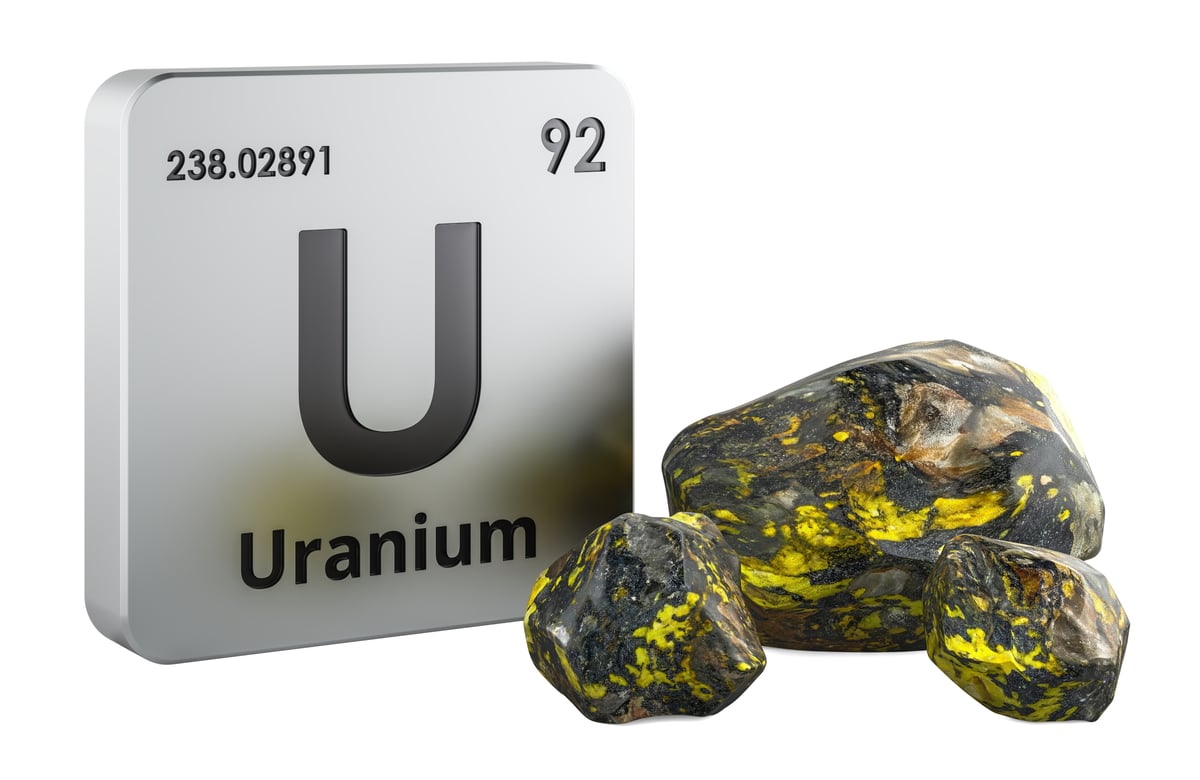
Cameco is the world's second-largest uranium miner. It operates uranium mines and mills across Canada, the U.S., and Kazakhstan.

NYSE: CCJ
Key Data Points
Cameco struggled as uranium's spot price dropped from a peak of $136 per pound in June 2007 to $18 per pound in November 2016. However, its price has risen back to $94 per pound as of this writing, and Citi expects it to climb to at least $100 this year.
As those prices rise, Cameco is restarting its idled mines to meet that demand. It also partnered with Brookfield Asset Management (BAM +0.02%) to acquire Westinghouse Electric, a leading nuclear power plant designer and builder, in 2023. Its 49% stake in that company will diversify its top line away from its core mining business and volatile uranium prices.
From 2024 to 2027, analysts expect its revenue and EPS to grow at CAGRs of 9% and 91%, respectively. It isn't cheap at 69 times this year's earnings, but its scale, moat, and gradual evolution into a more diversified nuclear company could justify that higher valuation.
NuScale
NuScale develops small modular reactors (SMRs), which are smaller than conventional reactors and prefabricated for on-site assembly. Their modular design enables deployment in areas that aren't well-suited for conventional reactors.

NYSE: SMR
Key Data Points
NuScale generates most of its revenue as a subcontractor to Fluor (FLR -0.49%) in the planned construction of a similar 462 MWe plant for Romania's RoPower. That project is still in its front-end engineering and design (FEED) phase, but it should move forward after its final investment decision (FID) this year. In the U.S., it recently signed a contract with the Tennessee Valley Authority (TVA) to deploy up to six gigawatts (6,000 megawatts) of its SMR capacity across seven states, but those plants won't come online until 2032.
For now, Nuscale is still a speculative stock that looks pricey at 37 times this year's sales. However, analysts expect it to grow revenue more than sevenfold from 2025 to 2027 as it begins deploying its first commercial SMRs. That expansion could support its premium valuation and make it a solid play on next-gen nuclear reactors.