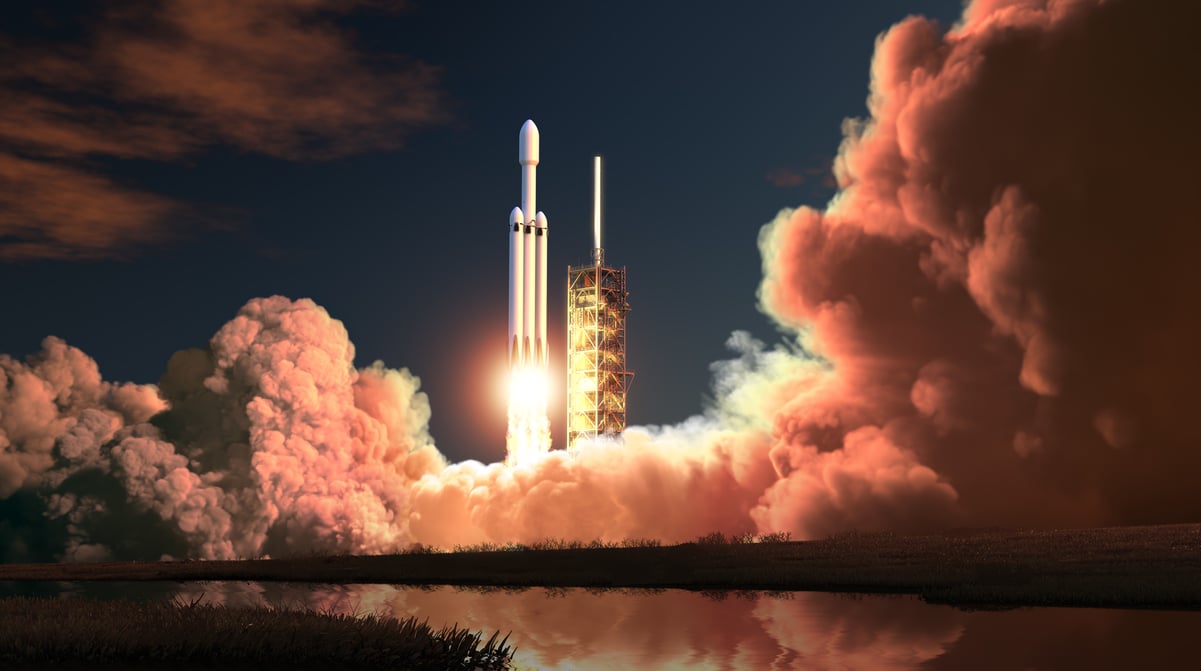
Tesla's (TSLA 5.42%) recent investor update marks a definitive break from how investors might perceive the company. Looking at Tesla as a car company and waving disparagingly at its valuation (Tesla trades on more than 200 times Wall Street earnings estimates for 2026) compared to its peers isn't a valid argument anymore. That's not to say investors should ignore the valuation, but rather put it in the context of the investment proposition for the stock. That, too, has changed, and Tesla is fundamentally a riskier company right now. Here's why.
Tesla's latest update
Some commentators have labeled the investments (Tesla is building out six new factories after committing a mammoth $20 billion in capital spending for 2026) as CEO Elon Musk walking away from electric vehicles (EVs), but the reality is the opposite. While Tesla is discontinuing the Model S and Model Y, the truth is that it is aggressively accelerating toward Musk's vision of where the EV (a market Tesla dominates) and transportation markets are inexorably heading.

NASDAQ: TSLA
Key Data Points
That vision is signposted by some of Musk's comments on the recent earnings call, when he argued the "vast majority of miles traveled will be autonomous in the future" and predicted that "probably less than 5% of miles driven will be where somebody is actually driving the car themselves in the future."
Tesla's engineering VP, Lars Moravy, asked investors to think of Tesla as a transportation-as-a-service company, and Musk outlined an expectation that will eventually "make far more Cybercabs than all of our other vehicles combined."
Moreover, most of the $20 billion in investment in six factories fully supports that vision. The lithium refinery is to support future EV production, and the lithium iron phosphate (LFP) battery factory in Nevada will make cost-effective batteries suitable for Cybercab and standard Tesla models. The megafactory is to produce battery storage systems, which are a fundamental part of the EV and Cybercab ecosystem. Finally, the Cybercab and Semi production/factories are obvious parts of where Tesla sees the future.
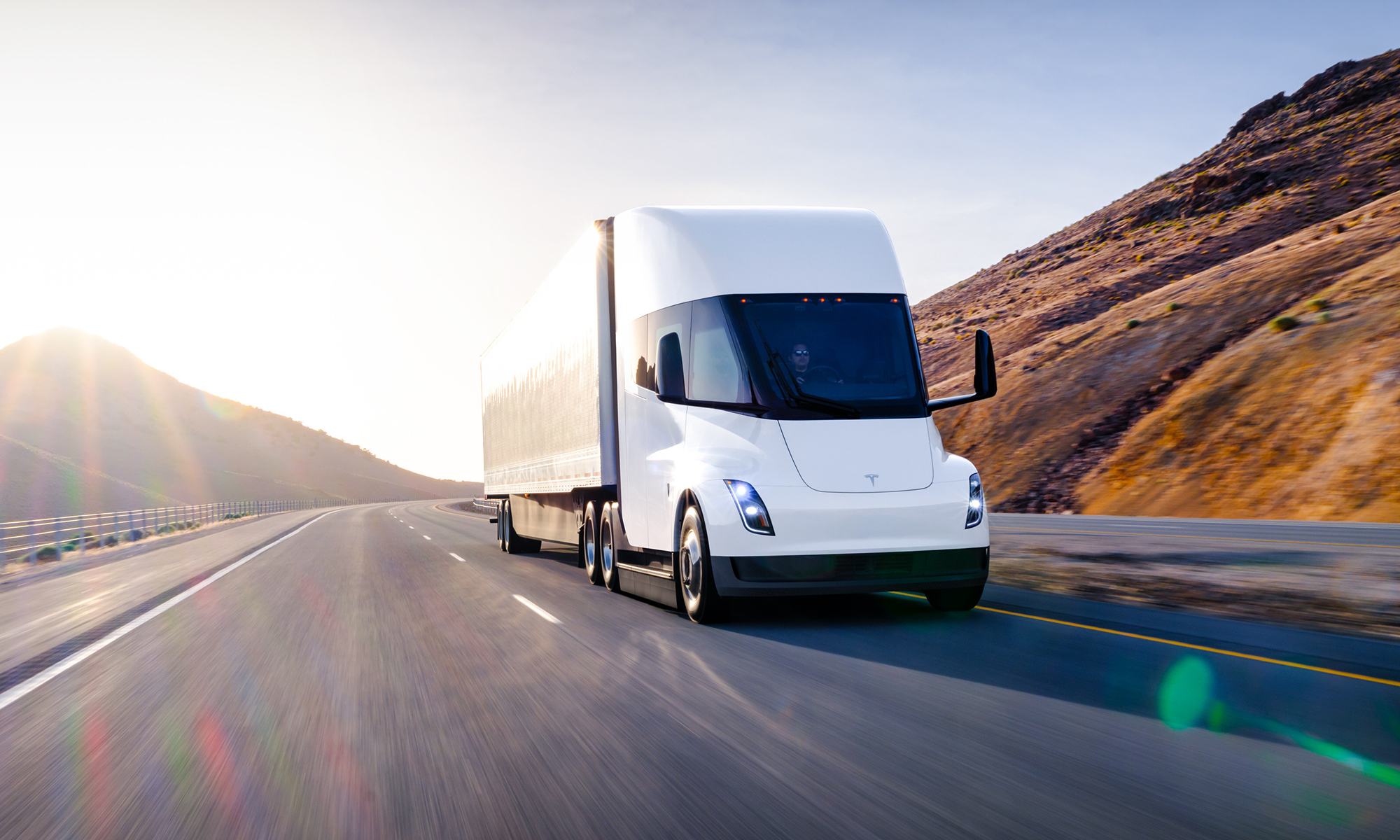
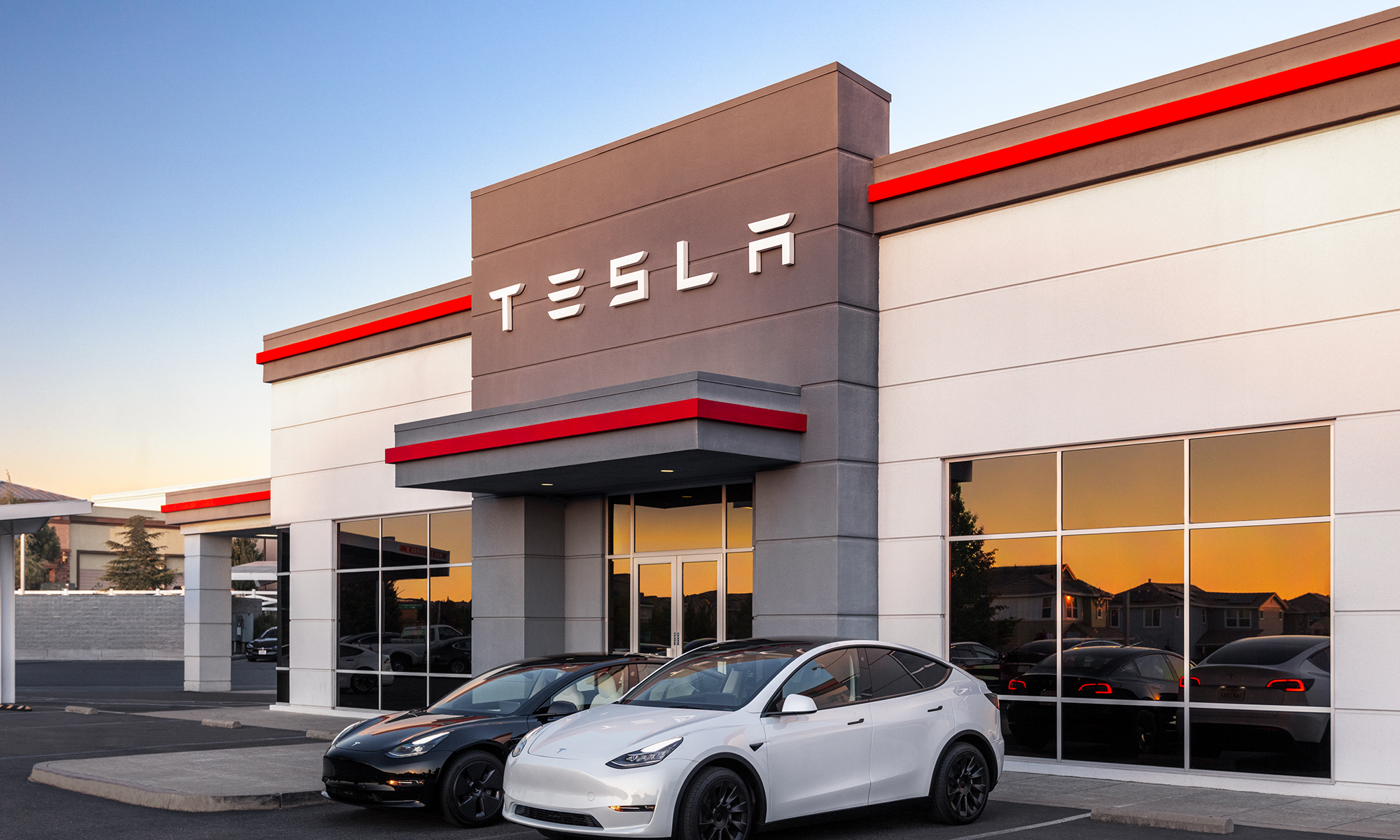
Image source: Tesla.
Risk is rising
However, the future is uncertain, and Tesla is a long way from its aims. Musk said in the most recent earnigns call that Tesla has recently deployed unsupervised robotaxis without a monitoring car behind them and doesn't have regulatory approval for unsupervised robotaxis outside Austin, Texas. Also, the Cybercab (a vehicle without a steering wheel or pedals) needs approval and is effectively useless without robotaxi approval.
Moreover, the $20 billion investment will result in significant cash burn this year. For example, before the earnings presentation, Wall Street estimated $10.9 billion in capital spending and $2.9 billion in free cash flow for 2026. Plugging in the new figure implies, simplistically, a $6.2 billion cash outflow.
CFO Vaibhav Taneja argued that Tesla has $44 billion in cash and investments to fund spending and that it could obtain bank funding based on a "consistent stream of cash flow" from the robotaxi fleet.
He's right, but Tesla risks tying up huge amounts of cash and prematurely investing in Cybercab and Optimus before either is commercially available at scale or generating significant income or cash flow to secure funding.
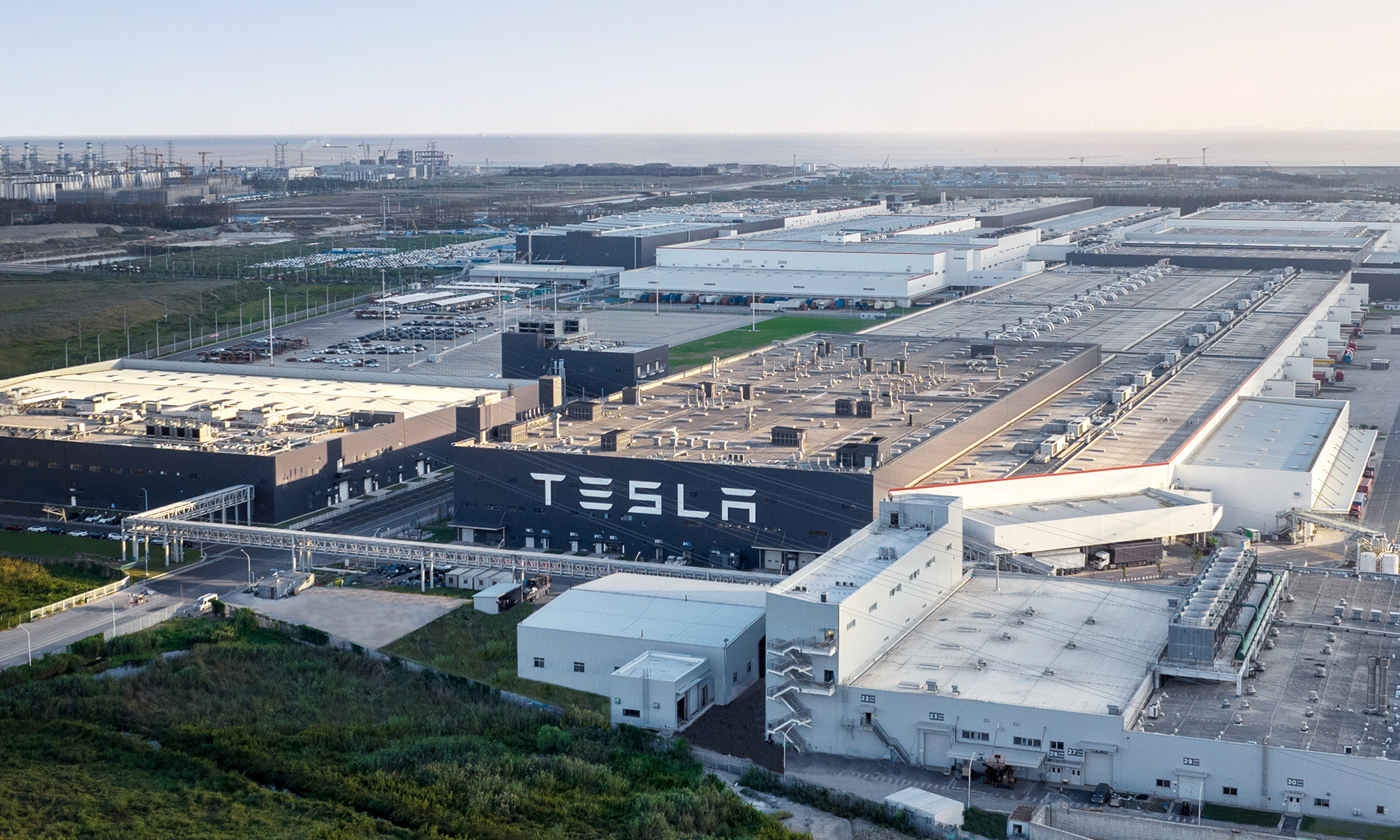
Image source: Tesla.
Is Tesla stock a buy?
All of which makes Tesla a high-risk, high-reward stock and underscores the timing and pace of its robotaxi growth, not least because Musk acknowledges that Nvidia could compete with Tesla's full self-driving (FSD) software in five years or so.
Unfortunately, the regulatory approvals are outside of Tesla's control, so there isn't even a self-help story here. Also, the rollout has been slower than expected and slower than Musk predicted it would be last year.
Ultimately, Tesla stock won't suit most investors, but it will suit those who believe in Musk's vision of the transportation market, in which robotaxis and autonomous driving are the future. If Musk is right, Tesla has substantial upside potential, and if he's also accurate that Optimus will be responsible for 80% of the company's value, then the stock will look cheap at its current valuation. The upside potential makes Tesla a decent stock to buy for enterprising investors looking for a higher-risk addition to their portfolio.