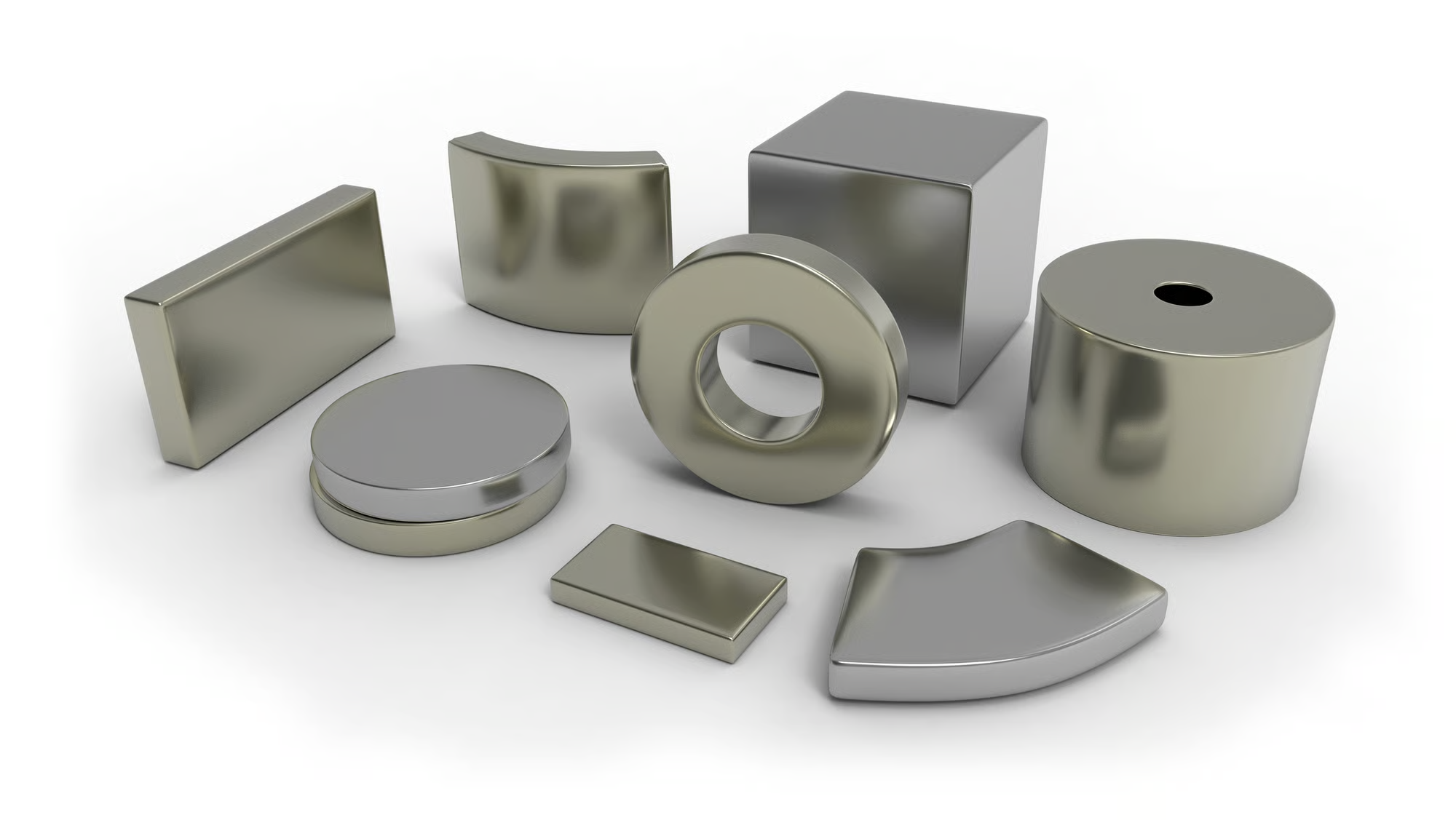
USA Rare Earth (USAR 6.59%) is quickly building the foundation for a rare-earth business. It already has processing assets, allowing it to take raw rare-earth metals and turn them into usable products, such as magnets.
However, the next five years will be vital as it looks to put the next piece of the puzzle in place.
What does USA Rare Earth do?
Right now, USA Rare Earth generates revenues from processing rare-earth metals in Europe. That comes from its recent acquisition of Less Common Metals. It is expected to open a processing facility in the United States in 2026, which will add to its revenue stream, as well.
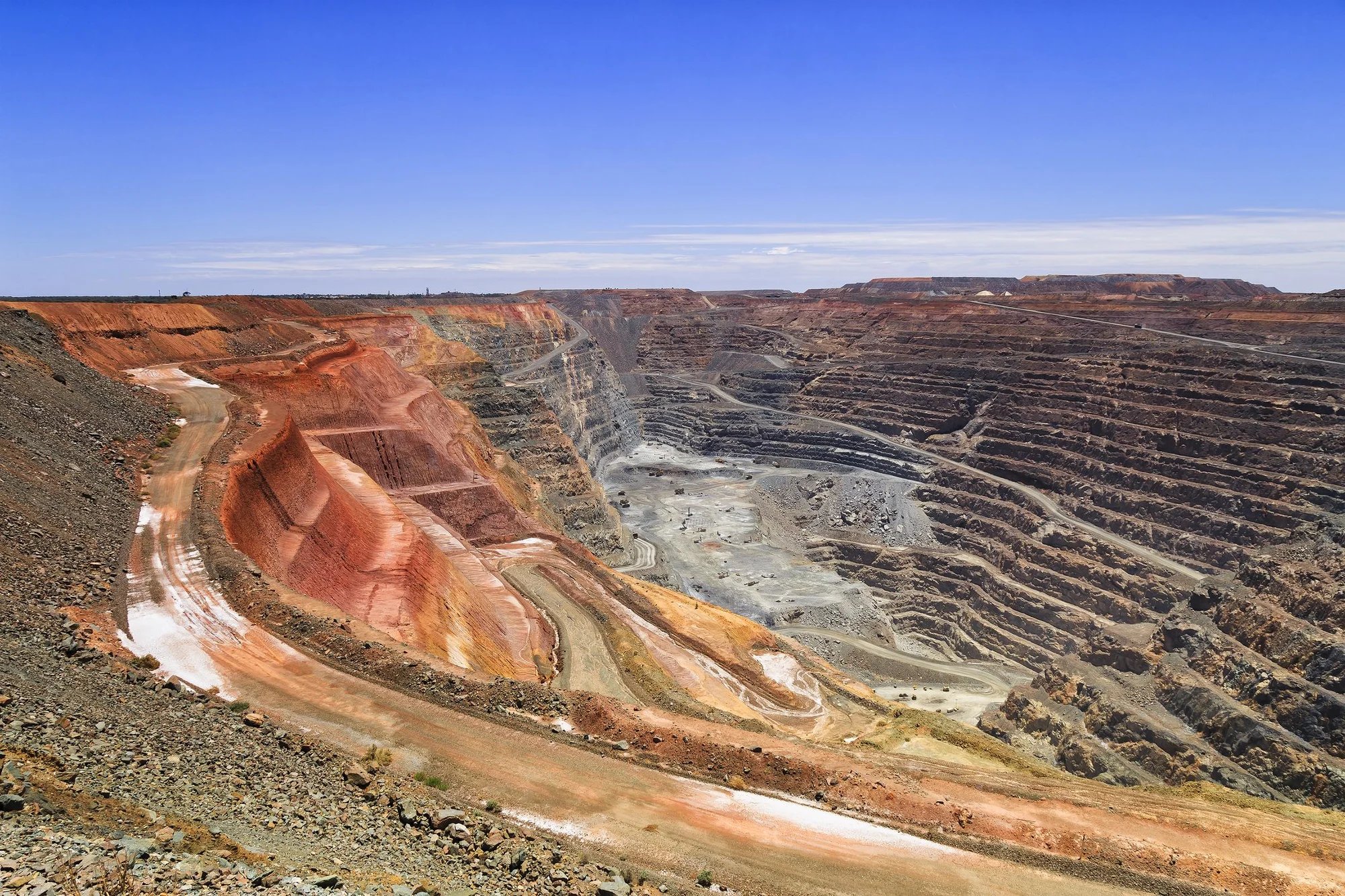
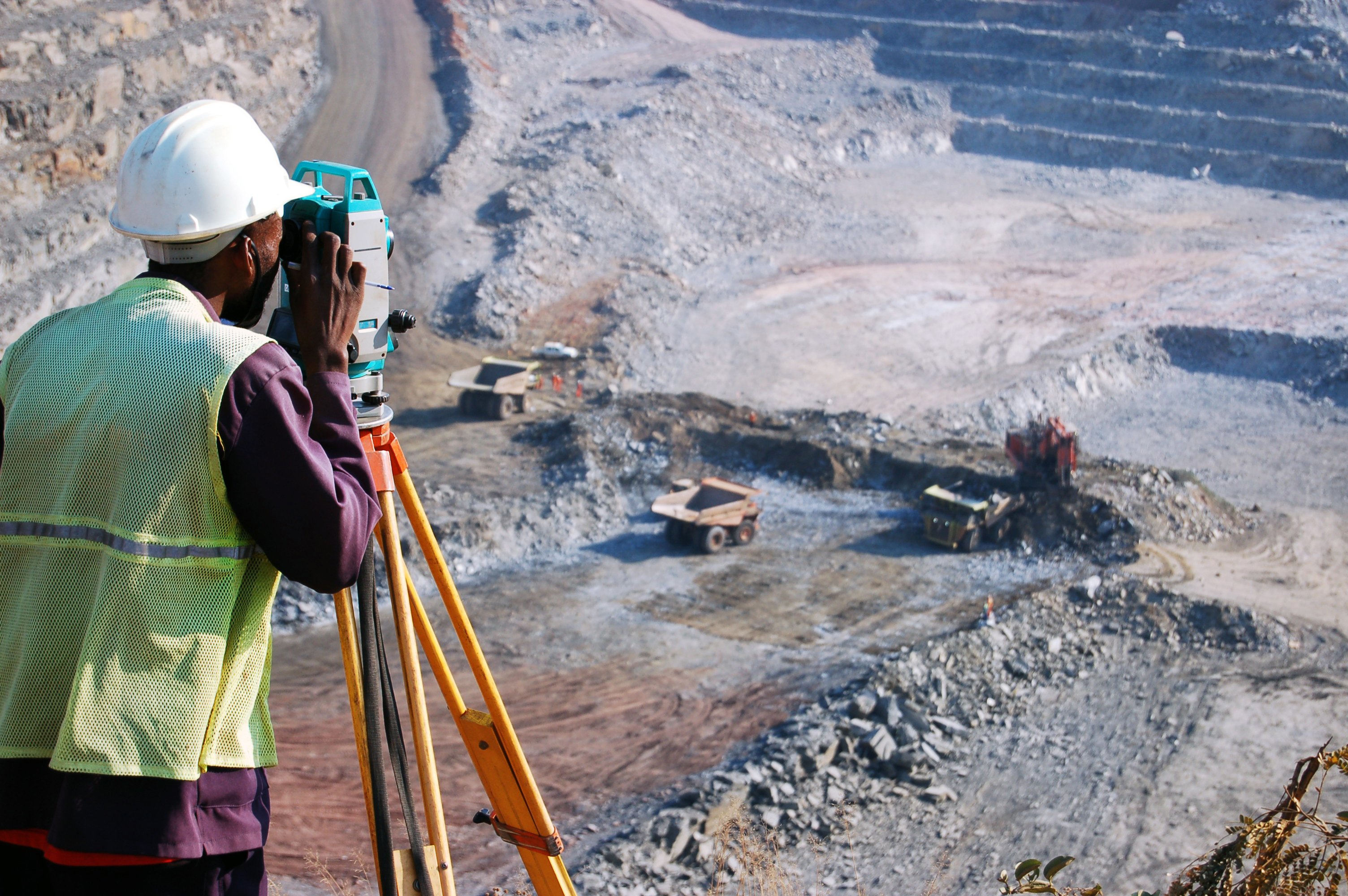
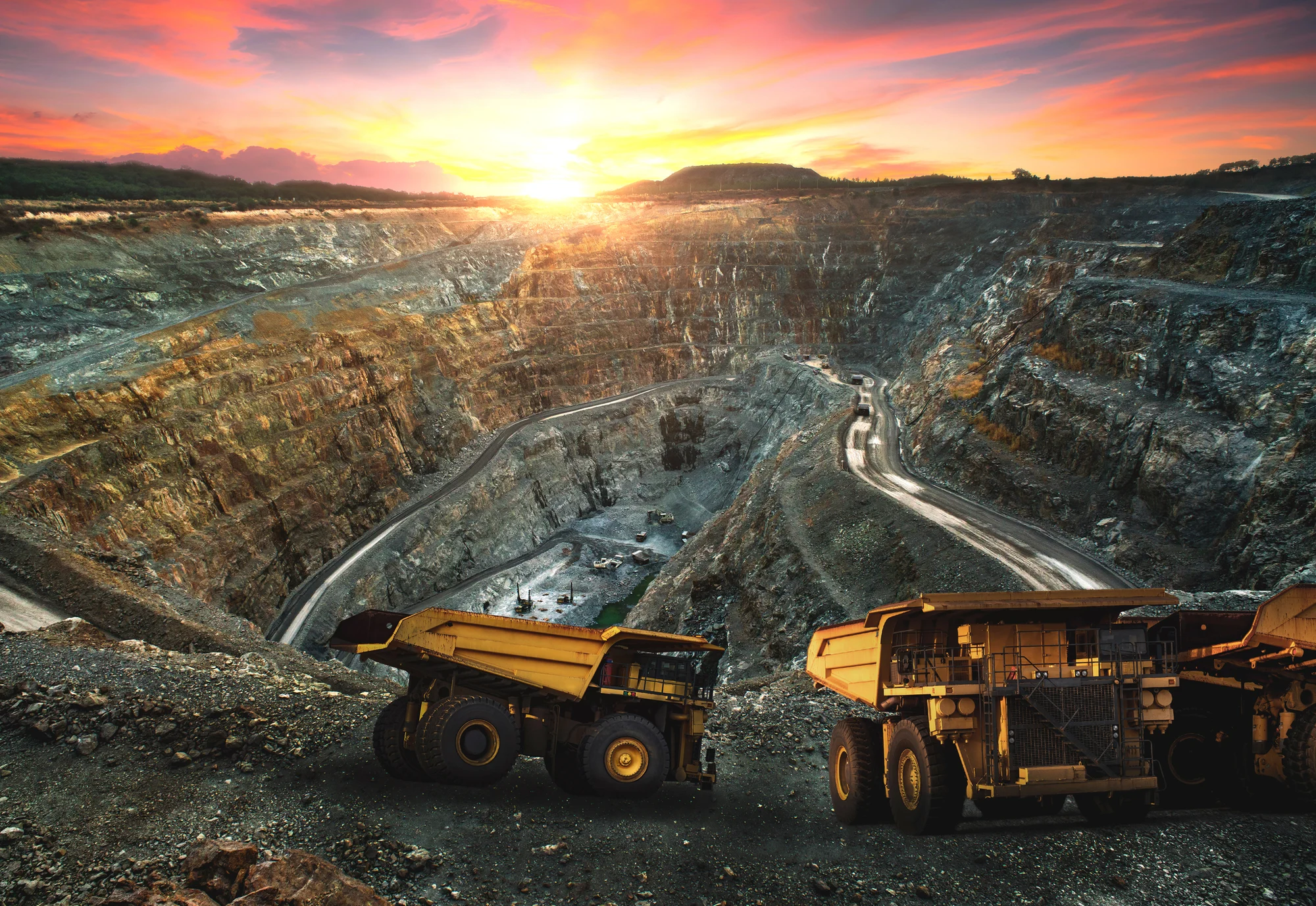
However, both of these businesses merely set the stage for the company's big plan: opening a rare-earth metal mine.
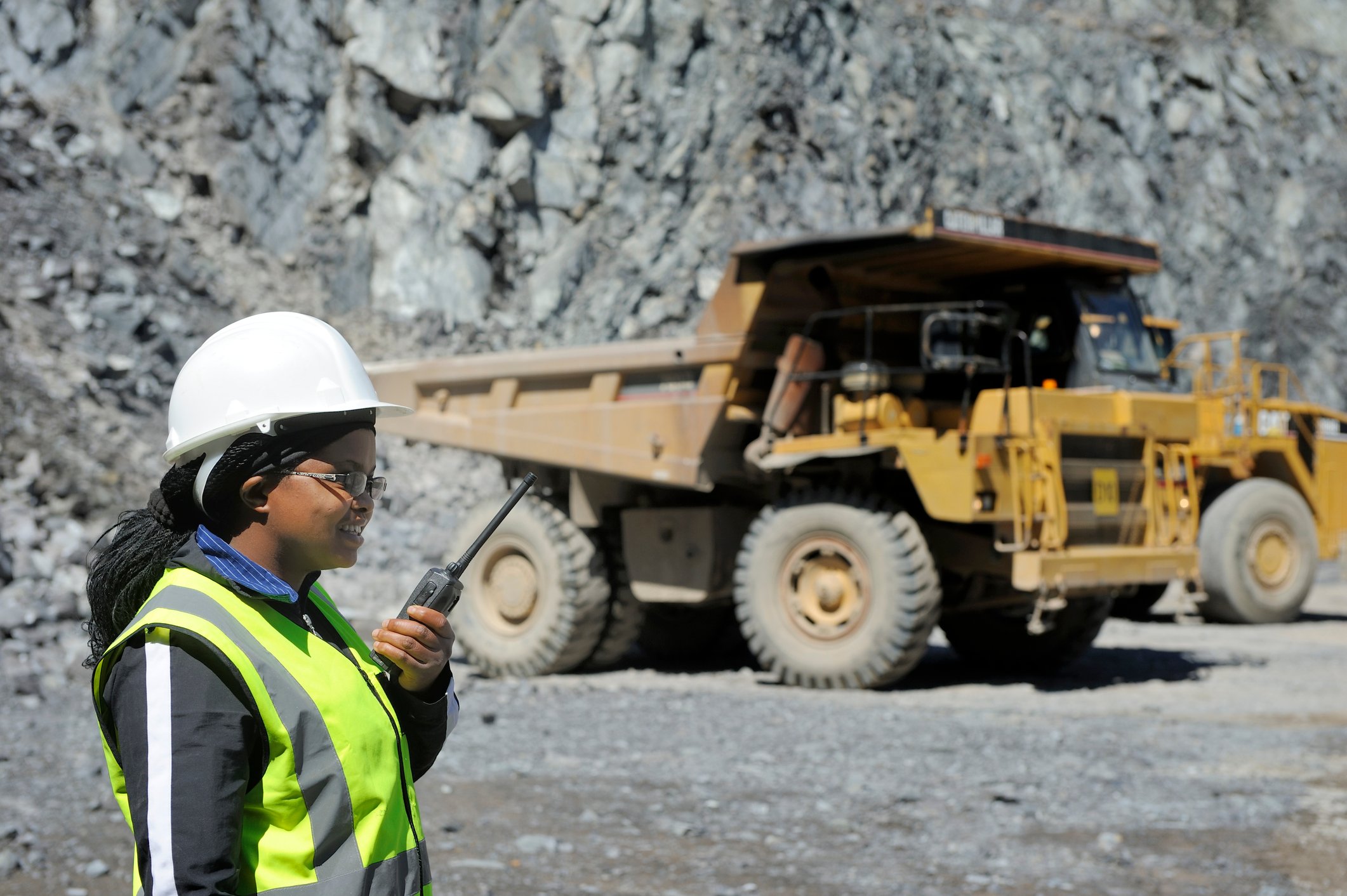
Image source: Getty Images.
That mine is expected to produce 15 of 17 rare-earth metals, including dysprosium, terbium, yttrium, and lutetium. It may also provide critical minerals, such as gallium and beryllium. These materials are used for everything from cellphones to national defense. When this mine is finally up and running, USA Rare Earth will have the full package, from the production of base rare-earth metals to their processing into usable products.
USA Rare Earth just got a big investment
The U.S. government just made a major investment in USA Rare Earth, acquiring 16.1 million shares and providing the company with a $1.3 billion loan. This investment helps to solidify the path forward for USA Rare Earth, as it now has the funding it needs to push forward with its mine development project.

NASDAQ: USAR
Key Data Points
The mine is now expected to start commercial operation in 2028. That, however, is really just a starting point. Building a mine is a complex, costly, and time-consuming process. Commercial operation isn't the same as a mine that is operating at full capacity. Getting to that point could take several more years.
Where will USA Rare Earth be in five years?
In roughly five years, USA Rare Earth could have its business fully up and running. That would be a huge achievement, with the company's progress now supported by the U.S. government. The problem is that between now and then, there will likely be a huge amount of red ink due to the massive capital investments needed to build a mine.
The target is clear, but most investors should probably stay on the sidelines until USA Rare Earth has hit a few more milestones in its mine development plan. After all, the company's rare-earth opportunity is long term, so there's no need to rush and take on the risk that the mine doesn't get built as quickly as hoped.