Shares of Aehr Test Systems (AEHR 15.47%) took off like a rocket on Wednesday morning, rising as much as 39.7% a few minutes after the opening bell. The stock settled down to a still-impressive 25% increase as of 2 p.m. ET. The price surge lifted Aehr's stock to fresh multi-year highs, all thanks to a new contract in the artificial intelligence (AI) chip-testing space.

NASDAQ: AEHR
Key Data Points
Someone important just called Aehr
One of the company's top customers just ordered several Aehr Sonoma test and burn-in systems with shipments scheduled for the summer of 2026. Aehr didn't name the "world-leading hyperscaler," but it's a "premier large-scale data center provider" that also designs high-performance AI accelerator chips.
This profile narrows the list of possible clients down to the usual hyperscaler suspects, specifically the ones who combine premium-quality hardware designs with massive cloud computing platforms. Aehr has signaled upcoming deals with this particular client for months, but this is a firm contract with real revenue attached.
The company didn't release financial details on this deal, but it should make a significant impact on Aehr's top and bottom lines as early as Q2 2026.
"We believe this initial production order positions Aehr very well for high-volume system and consumable shipments later this year and into 2027," said CEO Gayn Erickson.
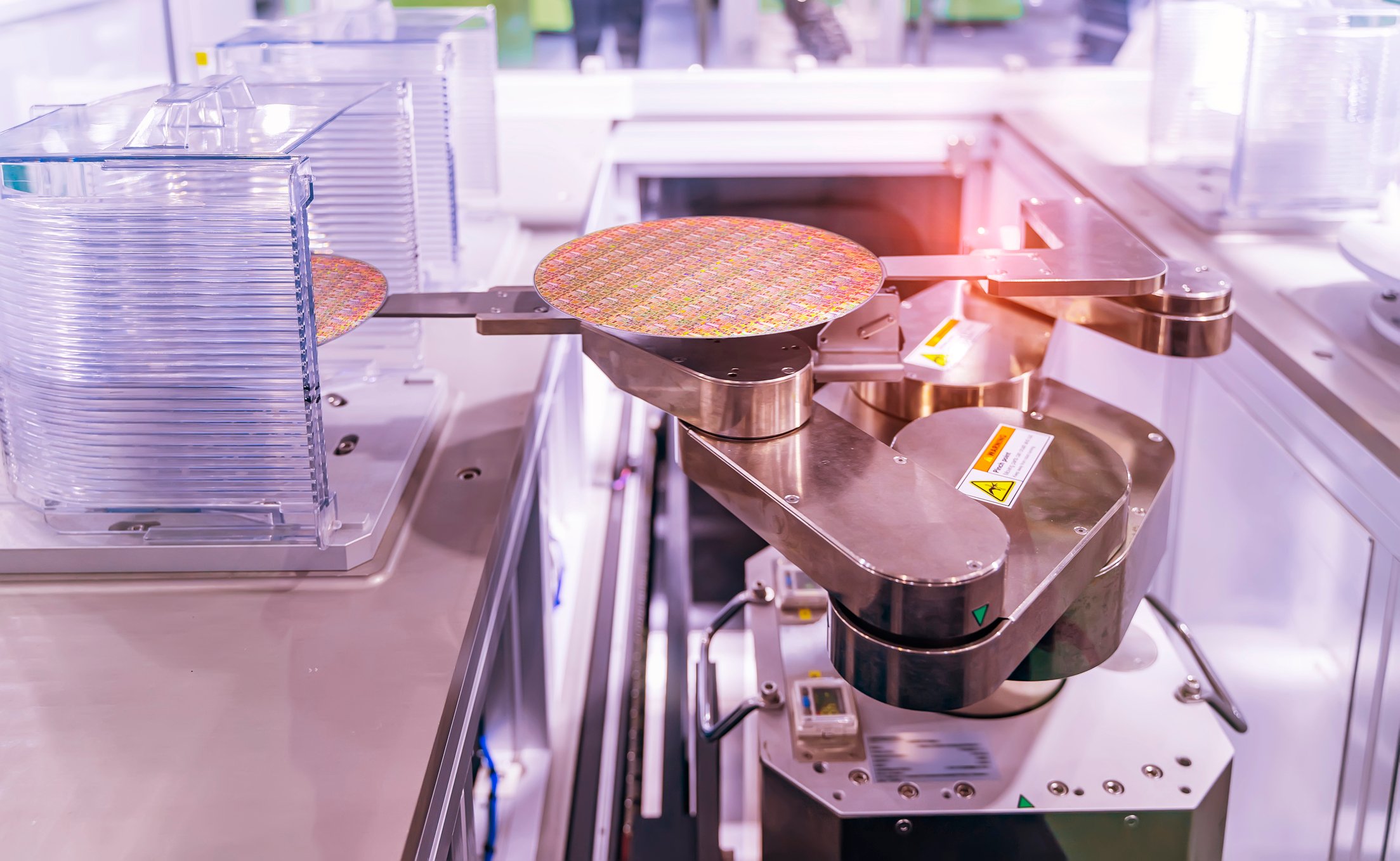
Image source: Getty Images.
Wall Street loves the AI connection
The new contract moves Aehr closer to the epicenter of the ongoing AI boom. And Wall Street has taken notice. The stock is up by 238% over the last year and trades at 459 times forward earnings estimates. That's a lot, especially for a company with negative operating margins and negative revenue trends. Investors are baking huge growth expectations into the stock price.
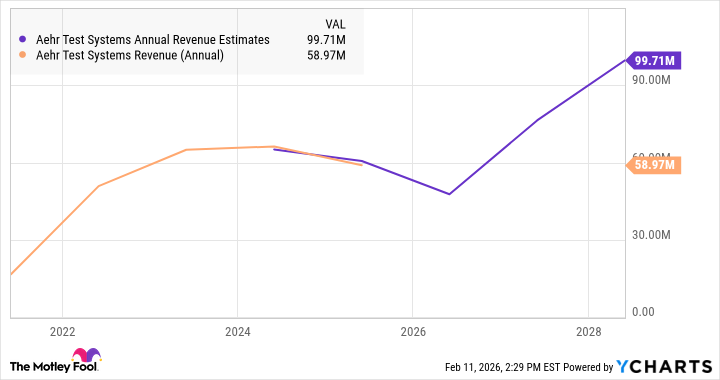
AEHR Annual Revenue Estimates data by YCharts
One large contract could be enough to drive Aehr's stock even higher as the AI surge continues to play out. However, I'd be more impressed if the company could follow up with additional deals across the hyperscaler sector. Otherwise, I'd prefer more profitable rivals with lower-priced stocks.