Cash flow matters to Boeing (BA 4.29%). Not only does Boeing need to fund a new narrowbody airplane within the next decade, but it also needs to pay down the debt built up during the lockdowns and 737 MAX groundings. However, its cash flow generation could be coming under pressure. President Trump's executive orders aimed at ensuring defense contractors deliver on time. Here's the lowdown.
Boeing needs cash
The company's consolidated debt stood at $54.1 billion at the end of 2025, while its cash and marketable securities totaled $29.4 billion, resulting in $24.7 billion in net debt. It also burned through $1.9 billion in cash in 2025. Meanwhile, the former CEO, Dave Calhoun, is on record as saying a new narrowbody would cost $50 billion to develop.

NYSE: BA
Key Data Points
In addition, Boeing needs to support the recently acquired Spirit AeroSystems, its electric vertical takeoff and landing (eVTOL) business, Wisk, the ramp-up of 737 deliveries, the inventory build for the delayed 777X program, and customer considerations related to the 777X delay.
All of these things are holding back cash flow, and management is guiding toward just $1 billion to $3 billion in free cash flow next year.
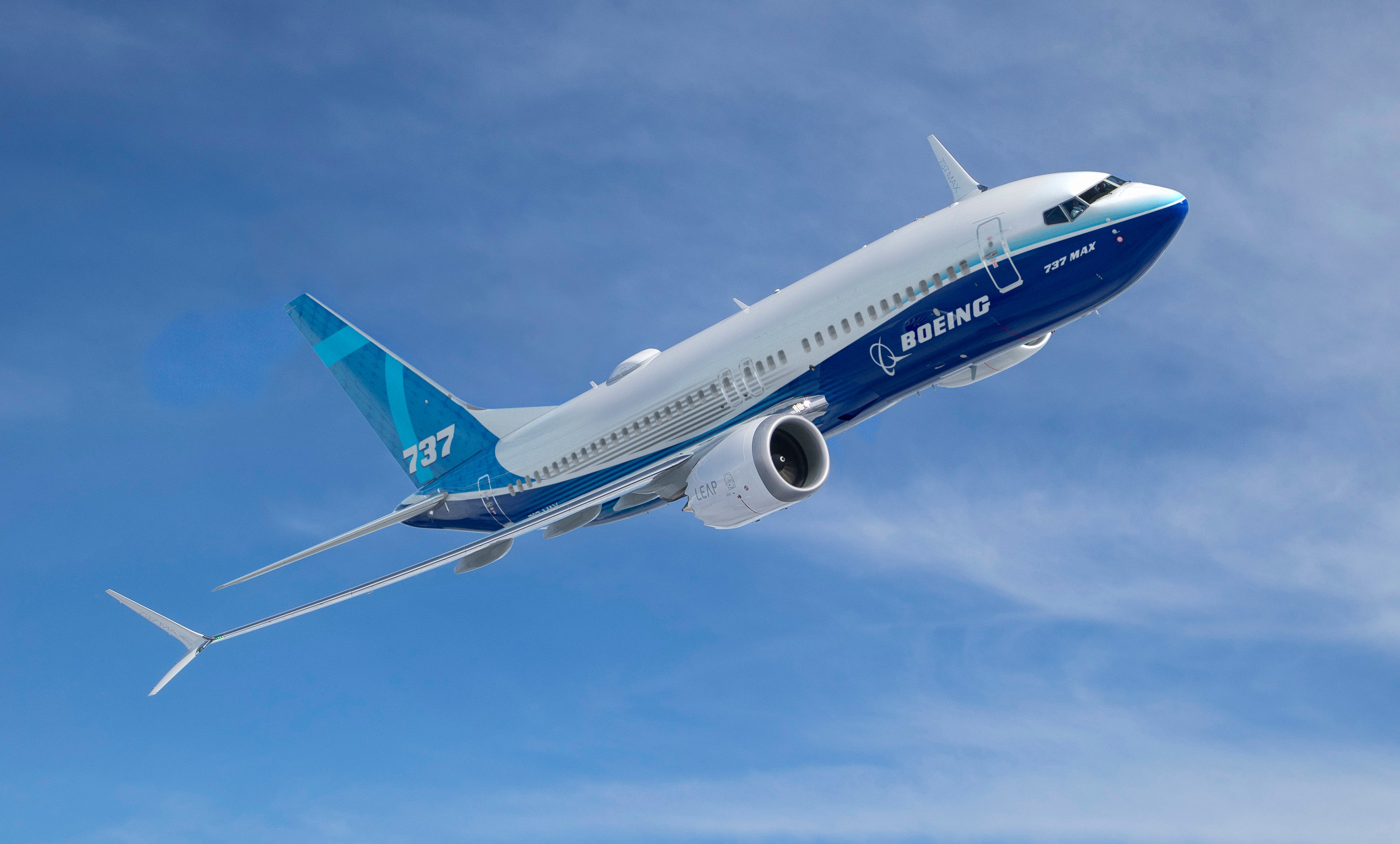
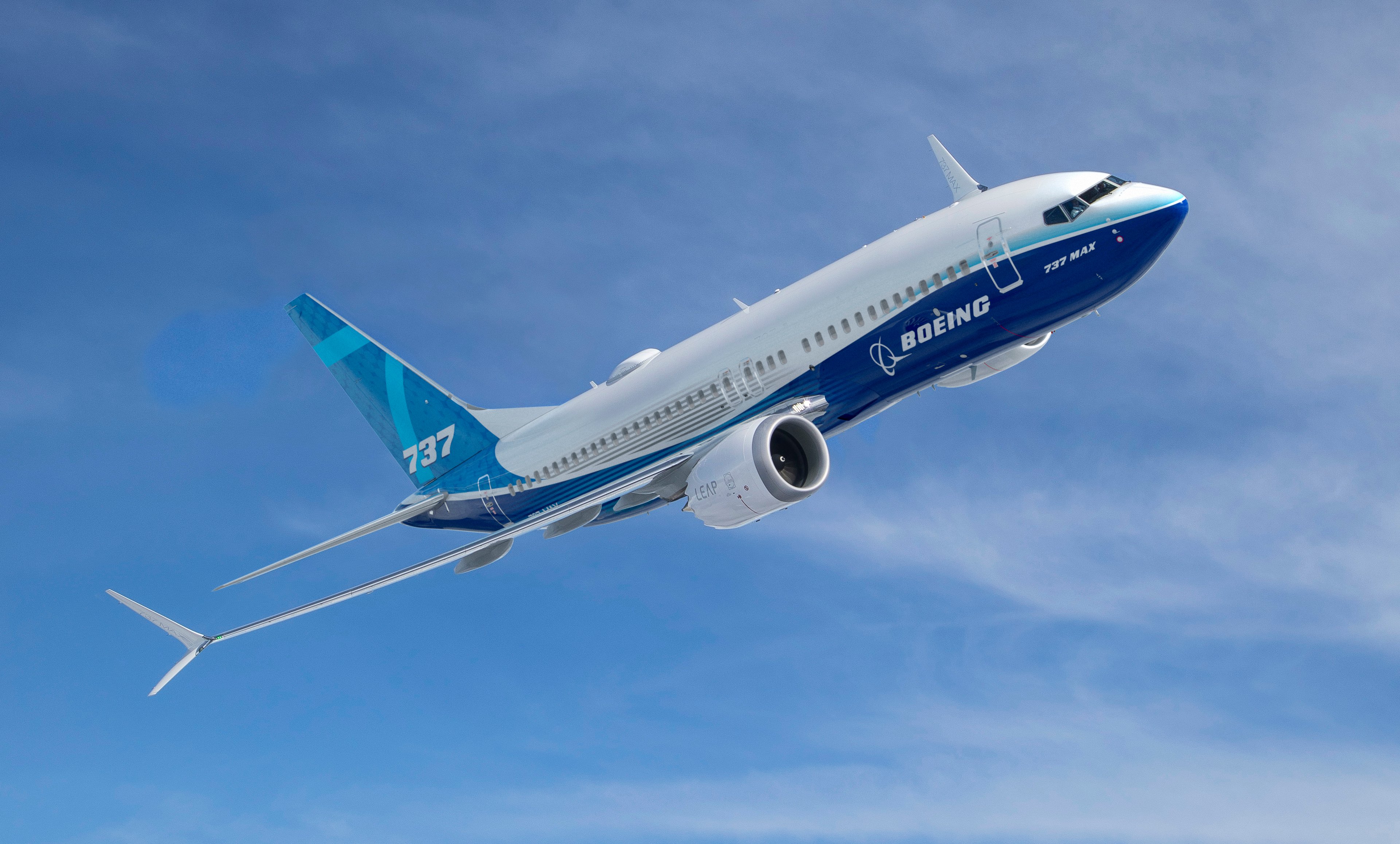
Image source: Boeing.
The good and bad news
The good news is that management argued that without the 777X issues, the $1 billion Spirit investment, and the Department of Justice payments; its underlying free cash flow would be in the high-single-digit billions. In addition, the spending required to ramp up 737 MAX production will ultimately improve earnings and cash flow, as margins tend to expand with increased aircraft production.
The bad news is that one reason Boeing's reported cash flow is weak is the ramp-up in capital spending to $4 billion, up from $2.9 billion in 2025 and $2.2 billion in 2024. Part of that increase stems from the issues already discussed, but another part relates to ensuring it delivers on problematic fixed-price development programs.
These programs cost Boeing $5 billion in 2024 and $802 million in 2025. The most problematic of all is the KC-46 refueling tanker.
While Boeing doesn't break out its capital spending, CEO Kelly Ortberg was asked about the KC-46. He replied: "We made the conscious decision that we needed to keep resources at a higher level to assure that we make those deliveries on time. As you know, the Department of War is super focused on us."
What it means for investors
All told, the Trump administration is, as intended, affecting Boeing's decision-making, and notably cash flow, in its defense business. It's something to factor in when investing in the stock. Still, the 737 MAX production ramp is good news and probably the key near-term driver for the stock.
The stock remains attractive for that reason, but a little less so for extra cash flow pressure on the company.