Rare-earth company MP Materials' (MP +3.61%) stock is up 14.6% in 2026, but it's come back a bit from the 16.3% increase to the end of January, according to data from S&P Global Market Intelligence. The volatility in the stock price reflects ongoing speculation about the prospects of rare-earth companies. Given their strategic importance in helping the U.S. secure a domestic source of critical rare-earth magnets, that importance is unlikely to disappear anytime soon. Expect more volatility to come.
MP Materials in 2026
The big news in the rare-earth sector didn't come from MP Materials; it came from its peer, USA Rare Earth. In late January, the company entered into an agreement with the U.S. government that helped secure $3.1 billion in government funding and private investment, thereby derisking its business plan.

NYSE: MP
Key Data Points
The news matters to MP Materials because it signals the current administration's ongoing intent to actively support companies that manufacture rare-earth magnets and source materials outside China. That's good news for MP Materials because it signed a landmark agreement with the government back in early July.
Market speculation
While the USA Rare Earth agreement was overall good news for MP Materials, the market began to speculate on one key aspect: unlike MP Materials' agreement, USA Rare Earth did not receive any price-floor commitments from the government. A Reuters article quickly followed, claiming that the administration was moving away from using price floors. Consequently, MP Materials' stock sold off as investors fretted about future developments on the matter.
There are three ways to look at the matter. The first is to take the approach that the agreement between MP Materials and the Department of Defense (DoD) is legally binding, and that includes the price floor and the agreement to ensure all the magnets produced in the "10X Facility" will be purchased for a decade after the facility is complete.

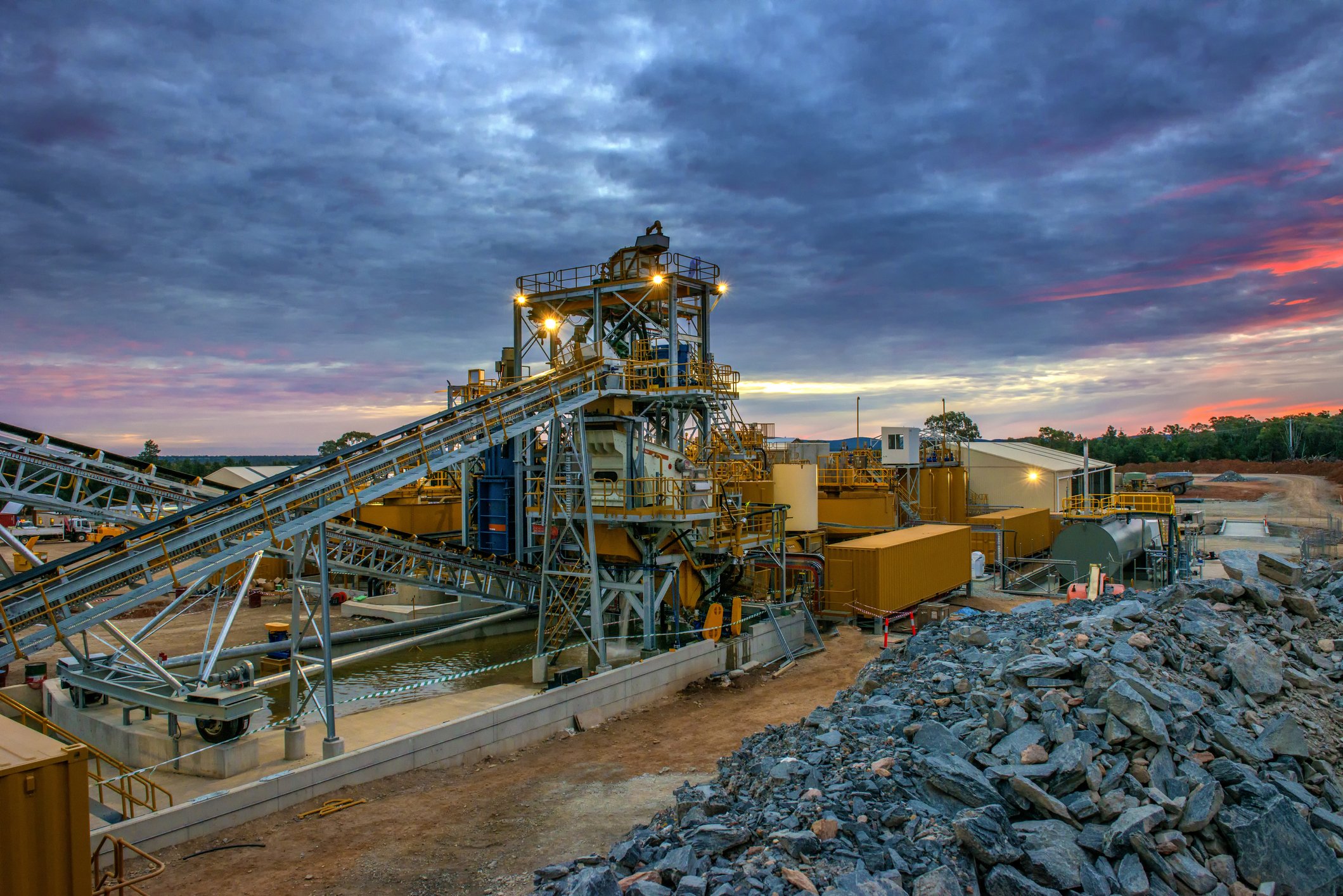
Image source: Getty Images.
The second is to take the more pragmatic approach: MP Materials is a private-public partnership; the government is invested in the company; and, whether it's the current administration or future administrations, politicians have mechanisms of action at their disposal. For example, the government can use the Defense Production Act to prioritize government (military) orders over commercial contracts.
Moreover, as defense contractors recently found out, the administration is willing to take action, such as prohibiting share buybacks and dividends, if they are underperforming in delivering on contracts.
Where next for MP Materials?
The third approach is to recognize the political risk while also acknowledging that MP Materials is helping the U.S. secure a domestic supply of critical rare-earth materials and magnets, a fundamental requirement of the modern economy. That's why Apple signed a $500 million supply agreement with MP Materials. As such, it's likely to remain in favor, particularly given the time it will take for the U.S. to catch up with China in rare-earth magnets.