Investing in pharmaceutical stocks can be tricky. Drugmakers put an enormous amount of time and money into research and development of new products. It takes more than 10 years to develop a new drug and costs, on average, $2.6 billion.
Yet the vast majority of new drugs never make it to market. The success rate of new drug development, from conception to FDA approval, is about 8%. And while a drug patent is typically 20 years, much of that time is eaten up during the development period, before a drug goes to market. So effective market exclusivity is often just 10 to 12 years.
Consider Pfizer, whose stock in 2000 shot from $33 to nearly $60 in a matter of months due to its rapid production of a COVID-19 vaccine. Since then, however, demand for that vaccine has waned and it's been bad news for the stock. After plummeting in 2023, the price has been moving sideways since early 2024. It now sits around $28, lower than its pre-COVID price.
That's why, when I consider an investment in a pharma stock, I look primarily at the company's drug pipeline. And that's the one big reason that today I would buy Eli Lilly (LLY 2.26%) and hold on to it for the long term.

NYSE: LLY
Key Data Points
Lilly continues to fill its drug pipeline
Last week the company announced a $2.4 billion acquisition of Orna Therapeutics, which is developing innovative drugs that can manipulate a patient's genes and/or cells to fight diseases -- inside a patient's body, not in a lab. If the drug (with the current working name of ORN-252) makes it to market, it could be the next blockbuster.
Image source: Getty Images.
Just a day before the Orna announcement, Lilly announced it was paying $350 million up front to collaborate with a Chinese biotechnology company to develop treatments for immune disorders and cancer. And in January, Lilly announced another billion-dollar deal with a German company to develop hearing-loss gene therapies.
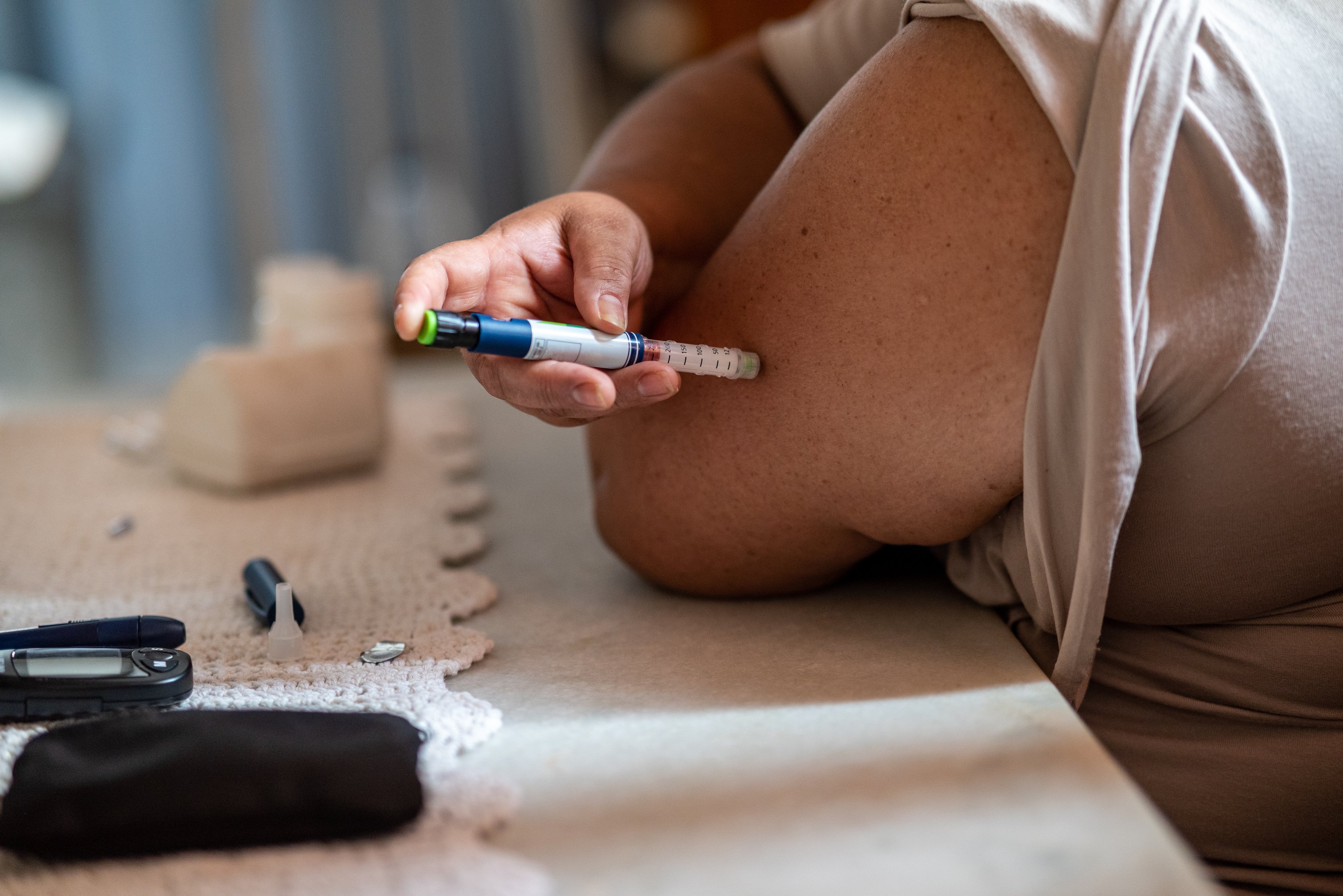
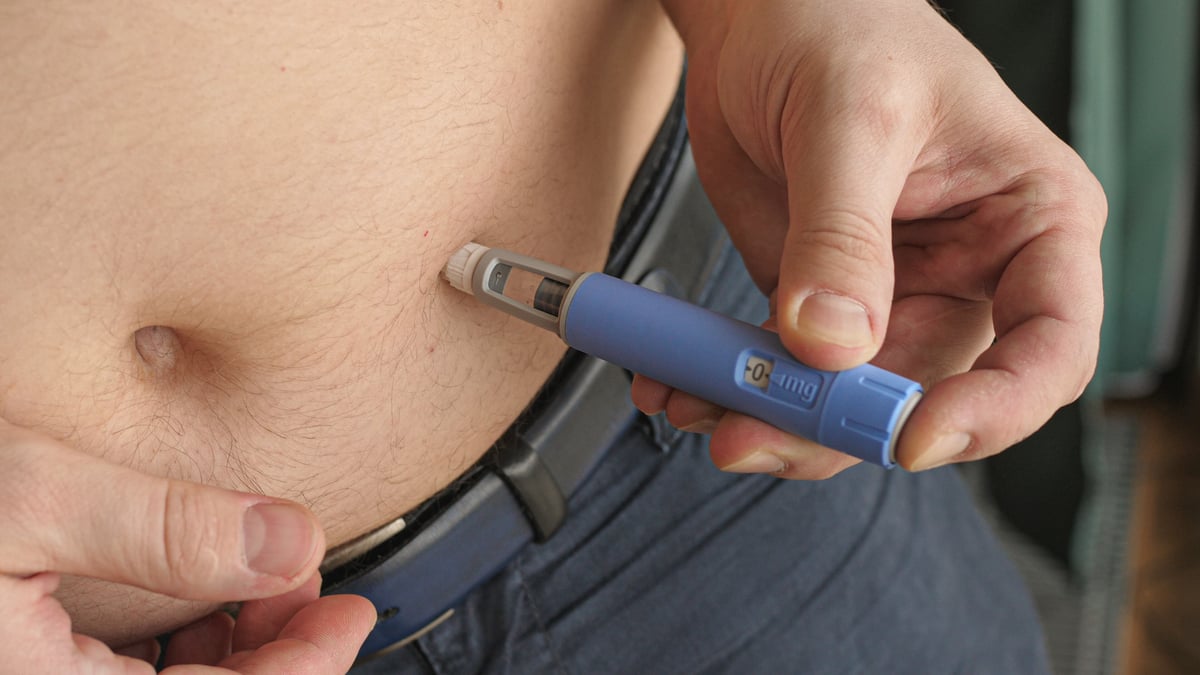
Oh, and don't forget that Lilly currently has the best-selling drug on the planet. It's called tirzepatide, and it treats both type 2 diabetes and obesity. Last year it knocked Keytruda, the cancer immunotherapy drug made by Merck, off the throne. Tirzepatide is sold as Mounjaro for treating type 2 diabetes and as Zepbound for weight loss.
Lilly shares are up more than 400% over the past five years, which trounces the broader market -- the S&P 500 index has climbed about 73% over that period. And with a market cap of about $936 billion, the company is fast approaching the elite $1 trillion club, which currently holds only 12 public companies.