The rising tide of the artificial intelligence (AI) revolution has been very good for ASML Holding (ASML -0.99%) over the last 12 months. Shares of the premier chipmaking equipment supplier for advanced semiconductors recently hit a new all-time high and are up 162% in the last five years.
But what about the next five years? Will the AI revolution bring even more demand for ASML's services and lithography machines? Let's take a look at this vital player in the AI supply chain and see where the business and stock may be five years from now.
ASML ASML
NASDAQ · As of 4:00 PM ET 10/20/26

More machines, more AI infrastructure
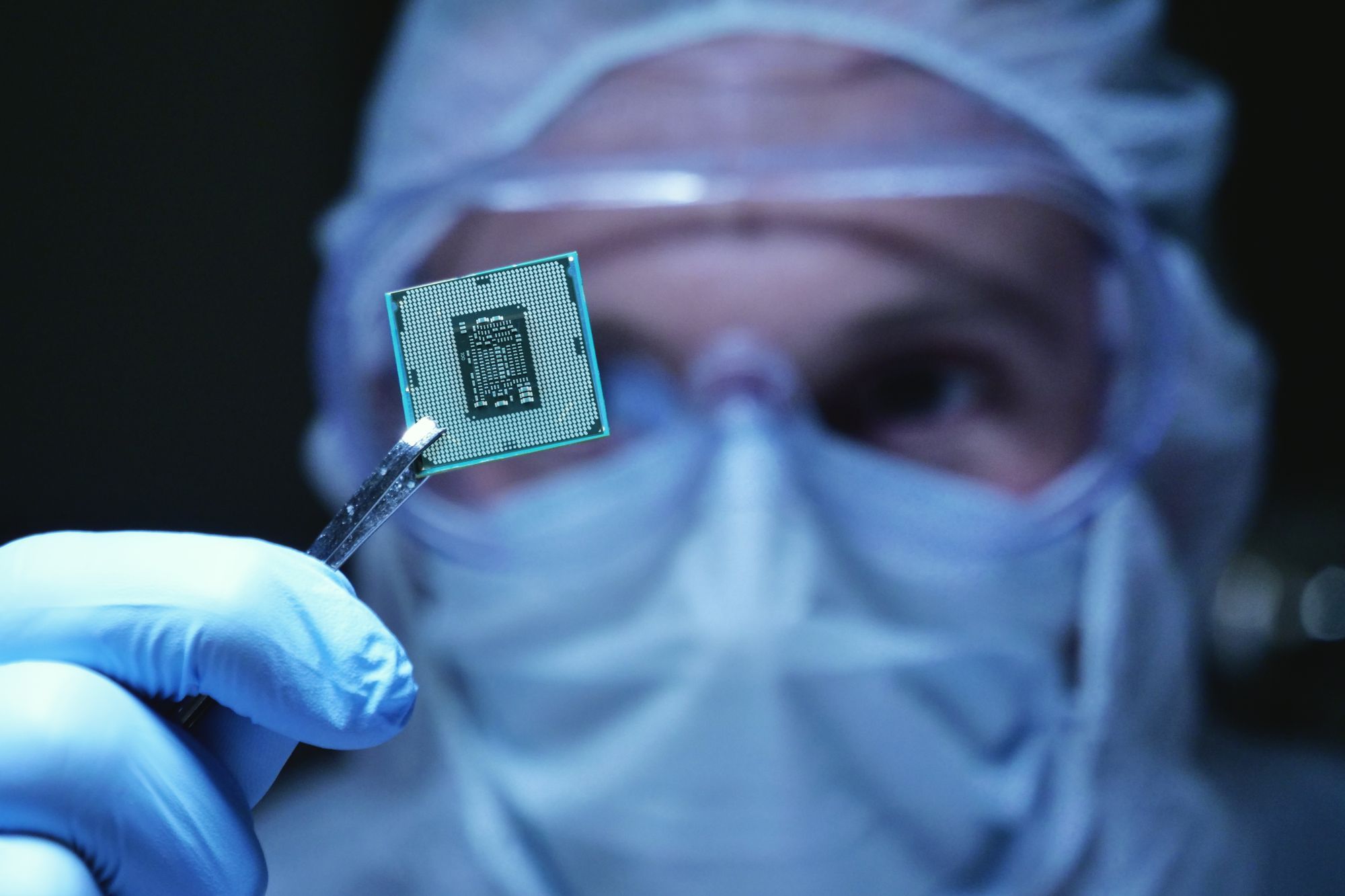
The purpose of ASML's lithography machines is to help semiconductor manufacturers print computer chips with transistors 7 nanometers or less apart. It is the only company to have ever built a machine capable of this technology.
Reducing the distance between transistors is what drives computer chip efficiency and power, making ASML's equipment vital for the AI revolution and the chips coming from companies such as Nvidia. Without these machines, it would be much more difficult -- if not impossible -- to build data centers capable of handling the processing power required by AI.
With new chipmaking facilities sprouting up in places like Japan, the United States, Europe, and especially Taiwan, more companies are going to buy ASML lithography machines. As the monopoly player in the space, ASML has been able to sell these for a pretty penny, along with the associated services revenue from managing the equipment. This is why ASML's revenue has increased by 100% in the last five years alone.
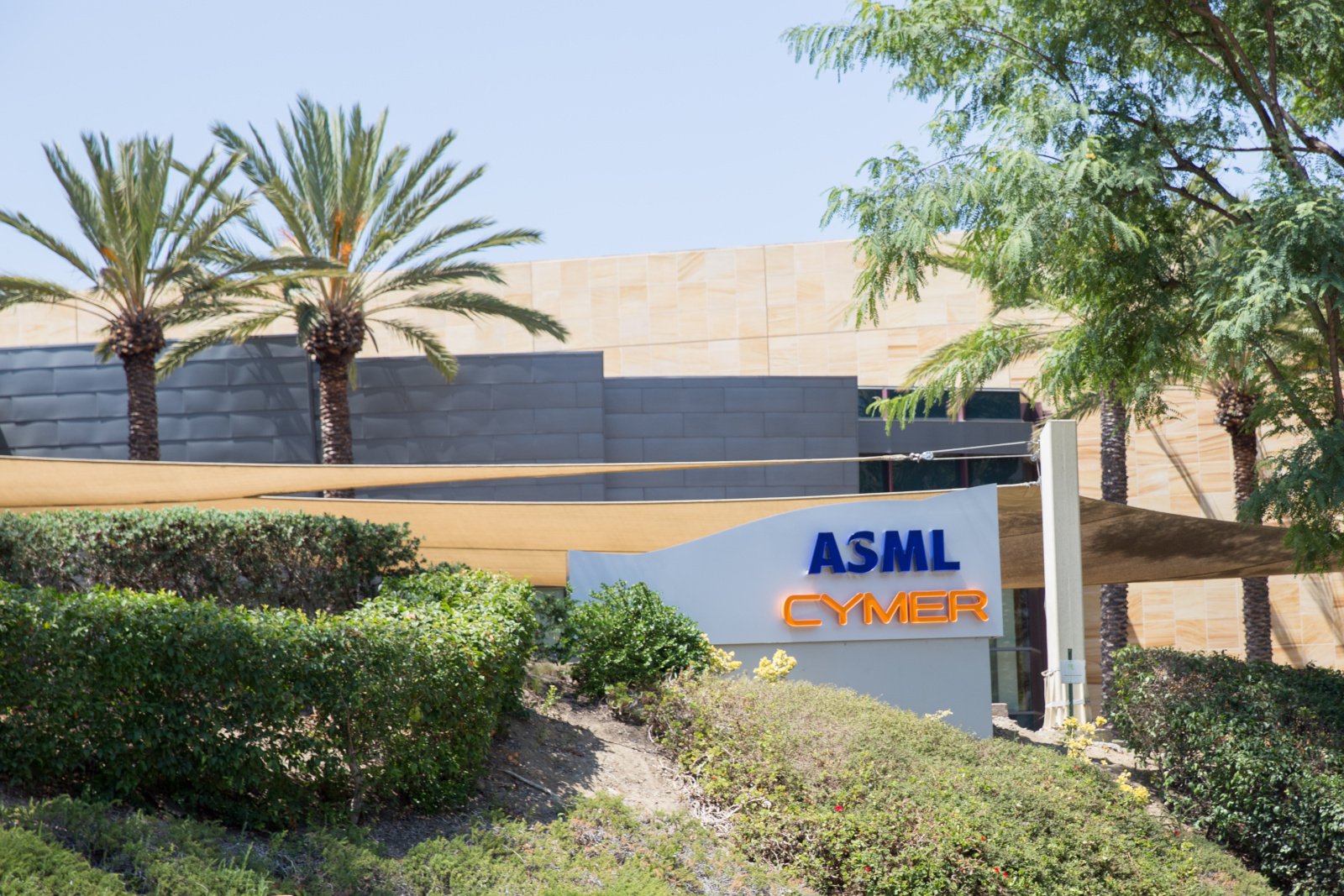
Image source: ASML.
Where will ASML stock be in five years?
ASML keeps pushing innovations with its advanced lithography monopoly. For example, it recently announced a new process using its advanced machines that will help manufacturers produce 50% more chips per hour by the end of the decade, reducing production costs. This makes ASML machines invaluable to chipmaking companies, which should give the business significant pricing power when selling its machines and services.
Along with increased unit sales and services revenue, we could see ASML's revenue double again, from $37 billion over the last 12 months to $75 billion five years from now. With a superb operating margin of around 35%, this would lead to $26.25 billion in operating earnings.
The problem comes when comparing this to ASML's current valuation, where its market cap is $580 billion, or 22 times these five-year forward estimates. While ASML is a great business and should be much larger five years from now, there's a risk that the stock does not keep up after its miraculous run-up over the last decade.
It might be best to wait for a better time to add ASML stock to your portfolio.