In 2013, Berkshire Hathaway (BRKA 0.27%)(BRKB 0.31%) partnered with the Brazilian private equity firm 3G to acquire Heinz for an enterprise value of $28 billion. Two years later, they merged Heinz with Kraft to create Kraft Heinz (KHC 3.09%), the company investors know today. The investment has arguably been one of Warren Buffett's worst.
Since the merger, the stock is down nearly 67%, and Berkshire still owns 27.5% of the company. In his first letter to shareholders, new CEO Greg Abel acknowledged that "our return has been well short of adequate." Should investors sell the stock?

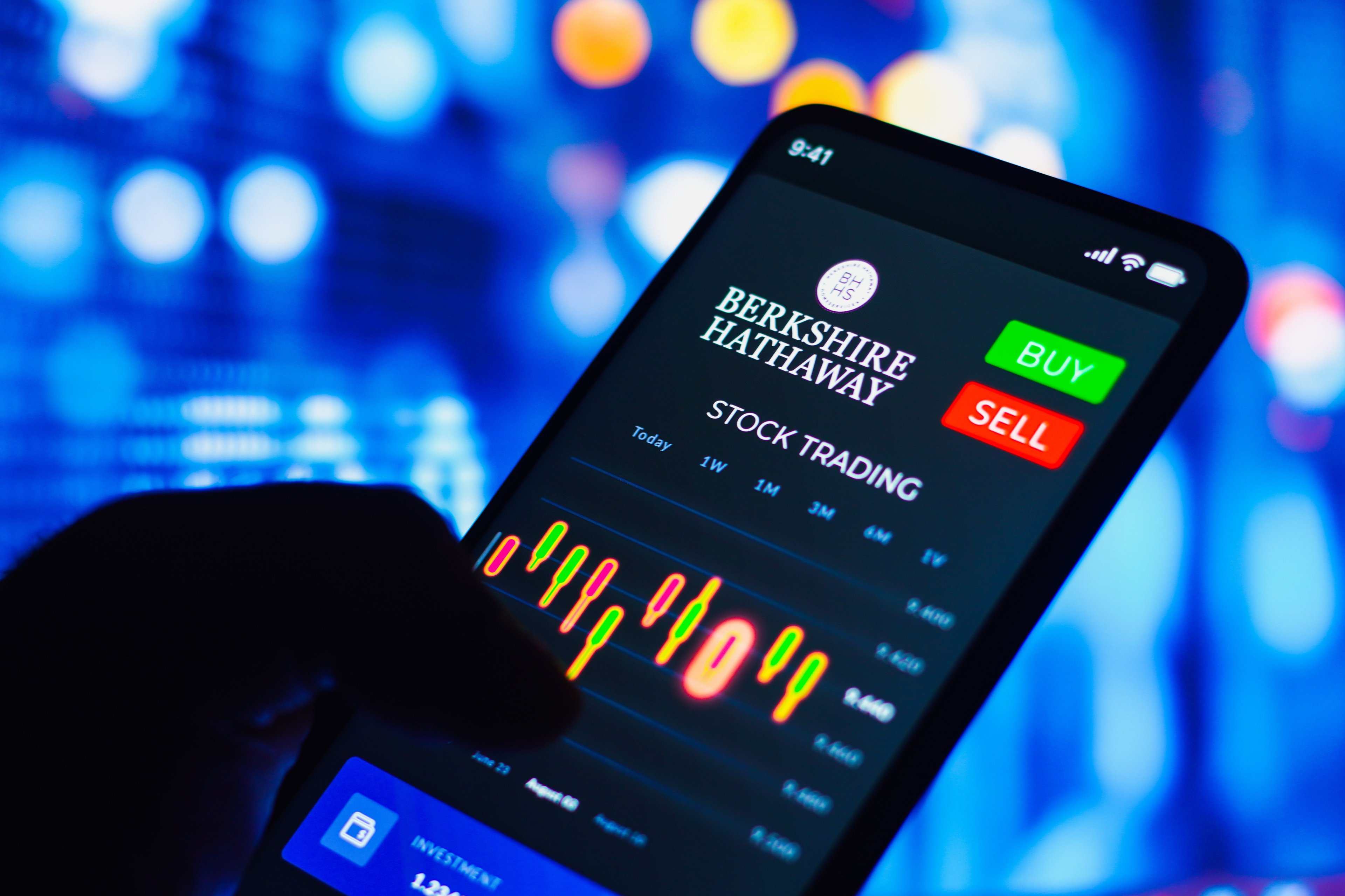
Image source: Getty Images.
Can Kraft Heinz be fixed?
Kraft Heinz, the maker of well-known food brands such as Heinz Ketchup, Philadelphia Cream Cheese, and Oscar Mayer meats, has struggled amid competition and shifting consumer preferences toward healthier, less processed alternatives.
Some might also argue that 3G, known for imposing major cost-cutting measures, didn't invest enough in the brands, marketing, and new product development to meet the needs of and engage modern consumers. Regardless, the company has significant debt, and its financial performance has struggled.
While Berkshire has stuck with the stock, its patience has clearly started to fade. In May, the conglomerate relinquished its two seats on the company's board of directors. At the time, Kraft Heinz had said it would evaluate strategic transactions to unlock shareholder value.
Last September, the company announced it would split into two companies, one focused on brands poised for growth, such as those in emerging markets, and another that included more "beloved brands" and had greater scale, enabling it to generate reliable free cash flow. The Berkshire team was not a fan of this plan. In September, former CEO Warren Buffett told CNBC he was disappointed with it and didn't think it was the right solution to the company's issues.

NASDAQ: KHC
Key Data Points
In a Securities and Exchange Commission filing in late January, Berkshire sought to register a potential resale of all its remaining Kraft Heinz shares. The company has written down its investment in the food company by close to $7 billion on two separate occasions, once in 2019 and once last August.
But the story didn't end there. Kraft Heinz hired a new CEO, Steve Cahillane, starting in January, seemingly to carry out the split, because Cahillane had helped split Kellogg into two companies.
But in early February, he announced it would pause its work to split the company, saying that he believes Kraft Heinz's issues are "fixable and within our control," according to CNBC. Cahillane added that his goal is to get the company back to profitable growth, and he announced a $600 million investment to spur these efforts by expanding marketing, sales, and research and development.
Can new leadership execute a turnaround?
While Abel praised the decision, others were less enthusiastic. "Investors will view this negatively because it indicates that the businesses are not in strong enough condition to operate on a stand-alone basis, and it is uncertain when they will," Robert Moskow, an analyst at TD Cowen -- a part of Toronto Dominion Bank -- said in research note, according to CNBC.
Given the company's failure to create shareholder value over more than the past decade, I still view Kraft Heinz as a value trap and "show me" story. Now, the company has a trailing-12-month dividend yield of 6.62% and a free cash flow yield of 12.75%, making it attractive to those looking to generate passive income. However, shares could fall further or continue to significantly underperform the broader market, so even this play does not come without risk.